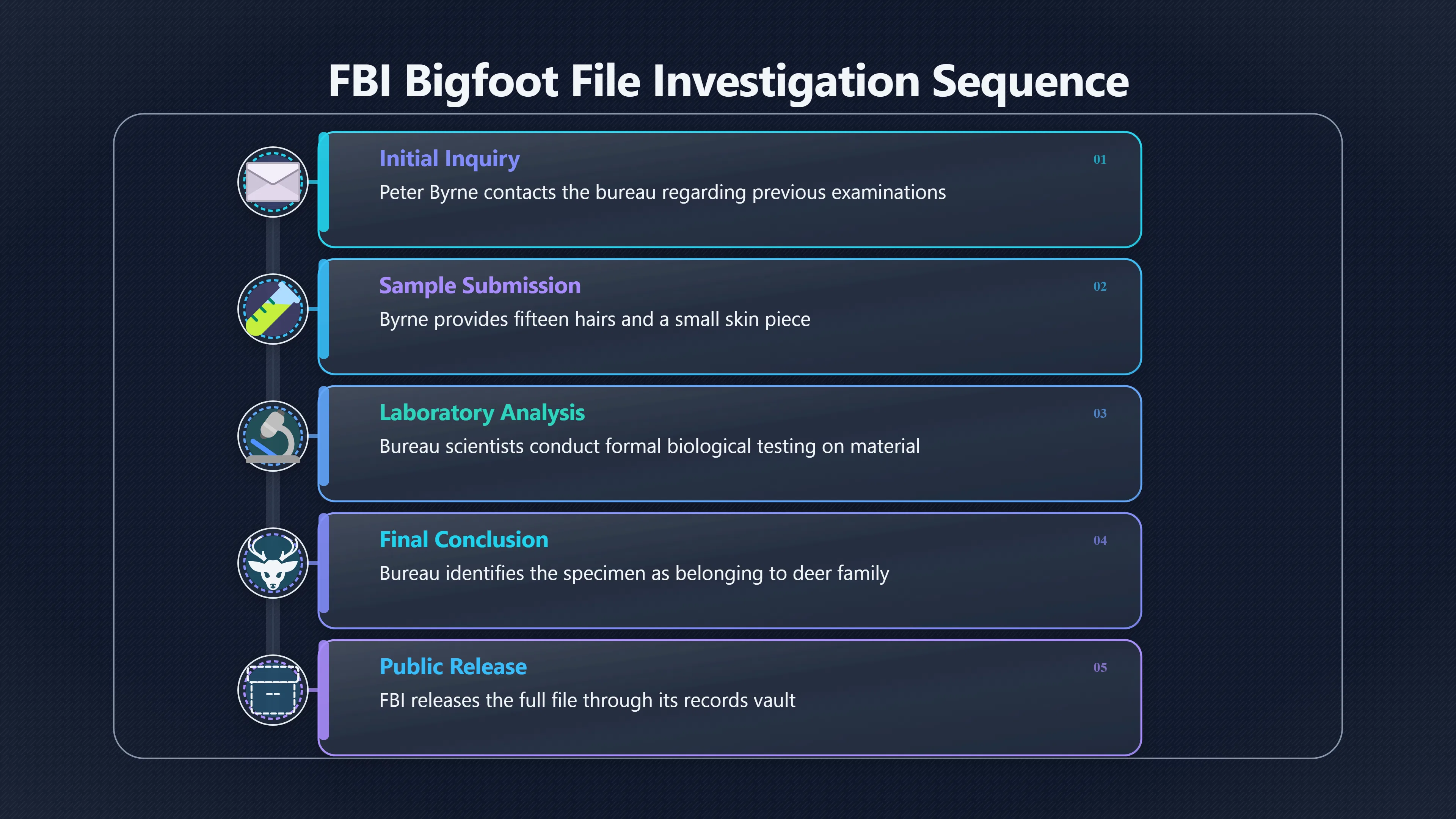
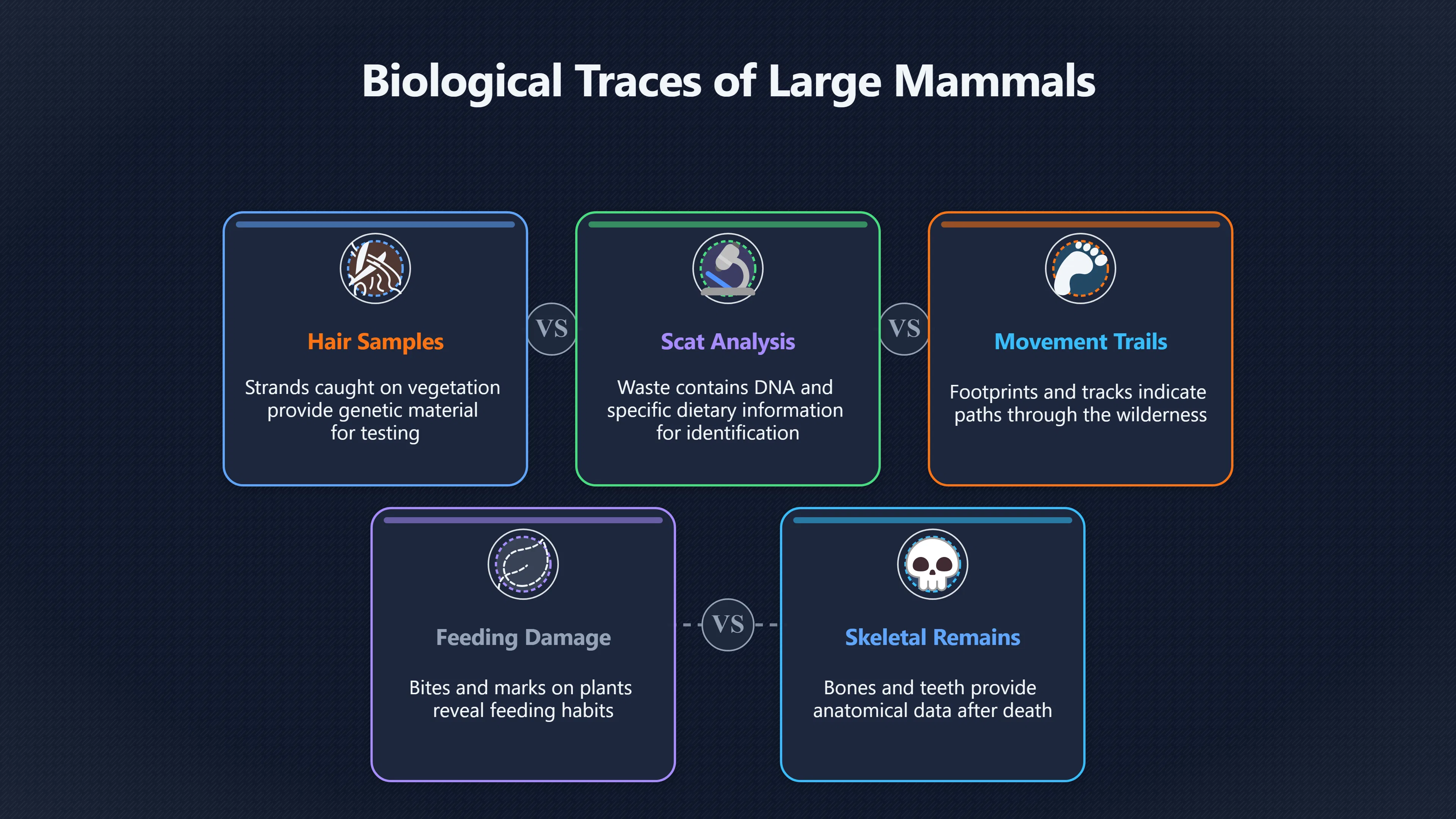
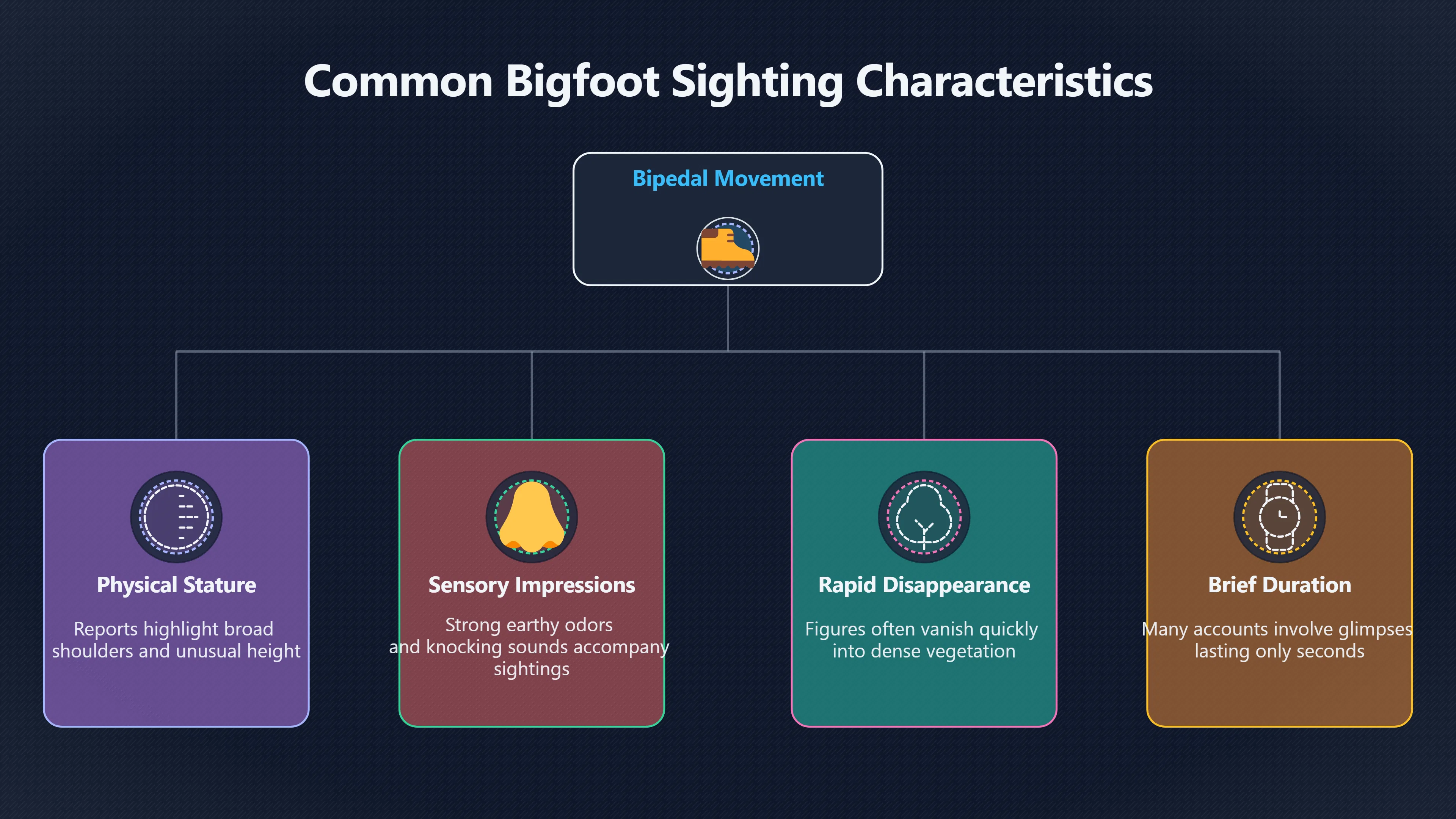
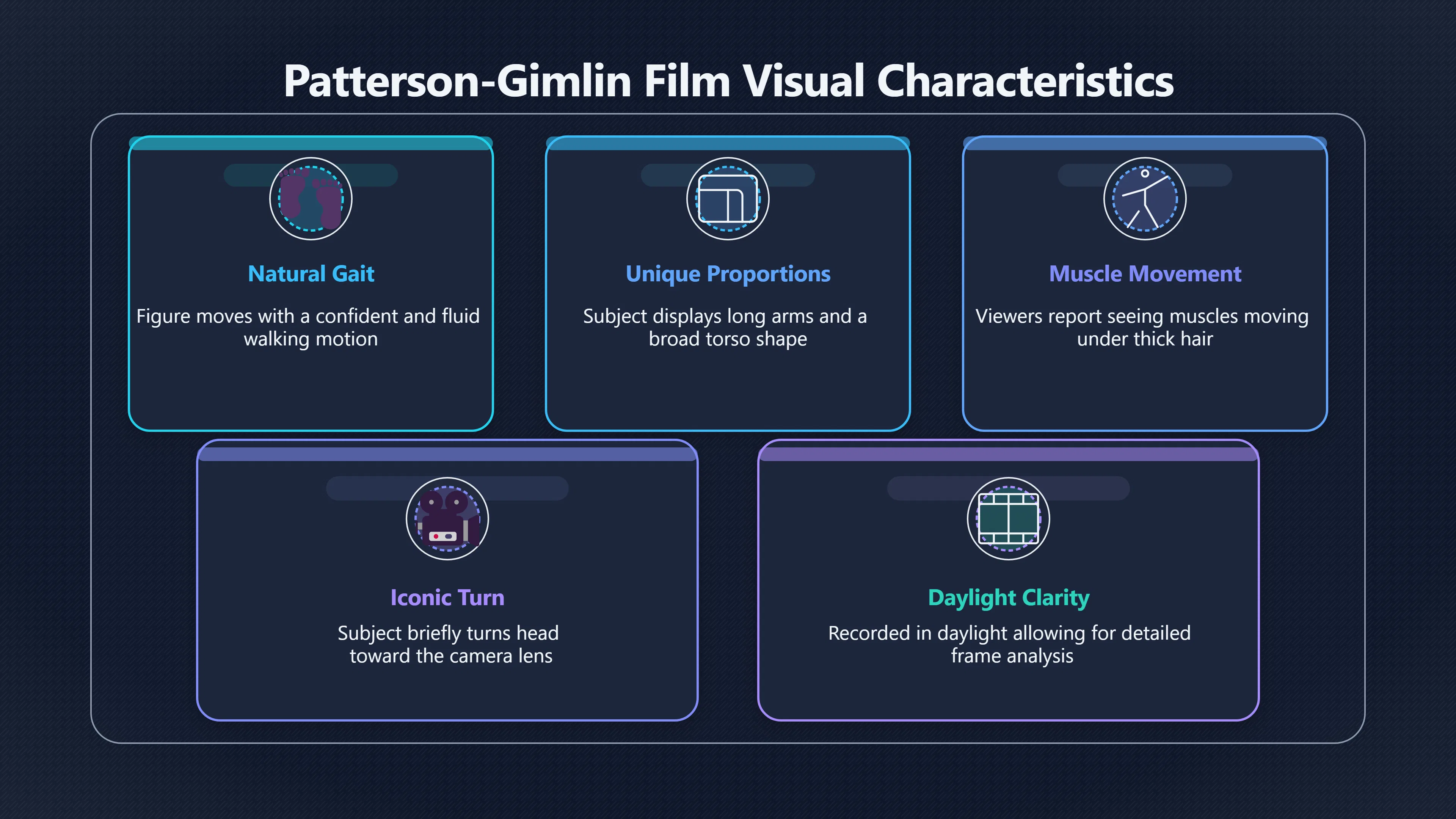
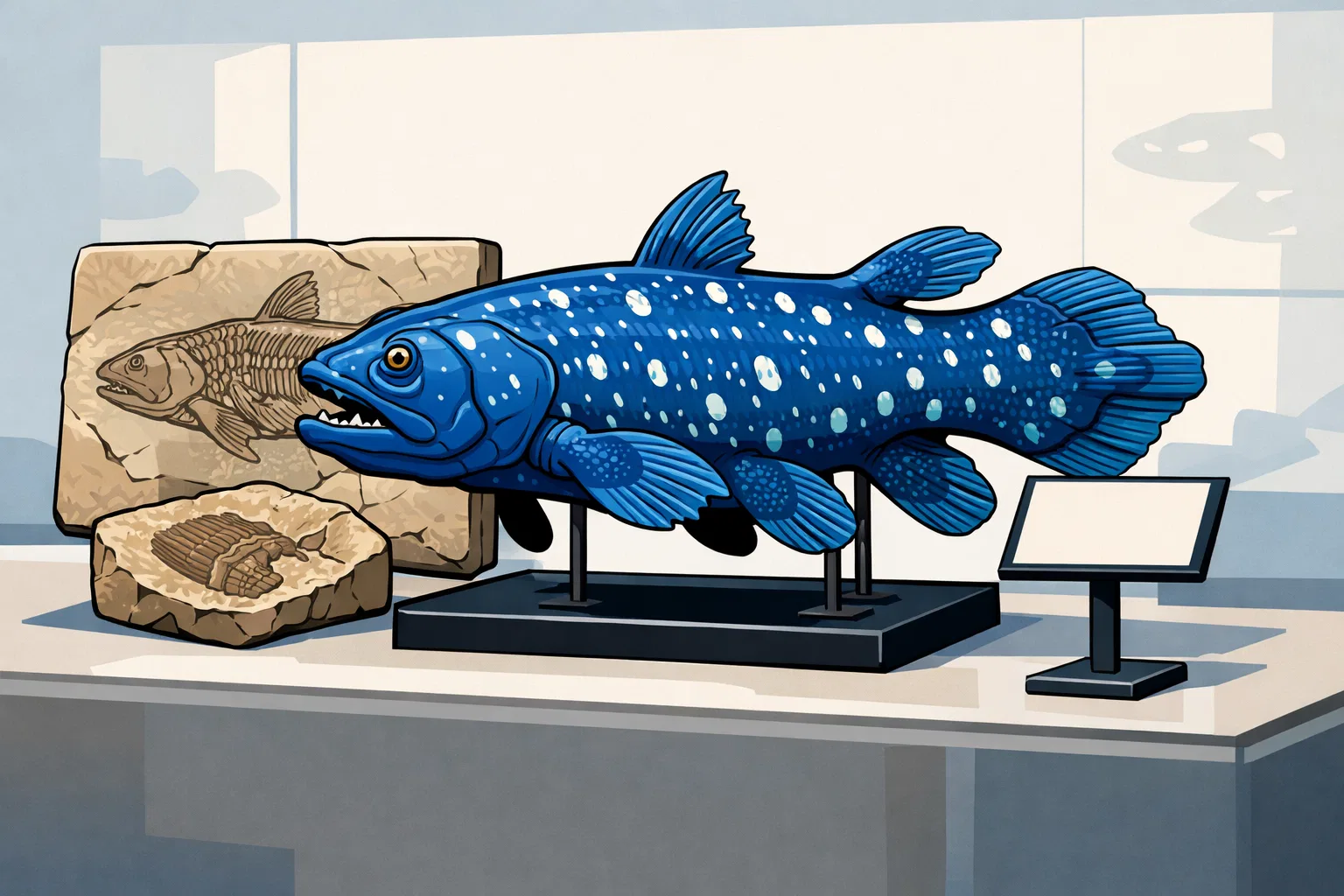
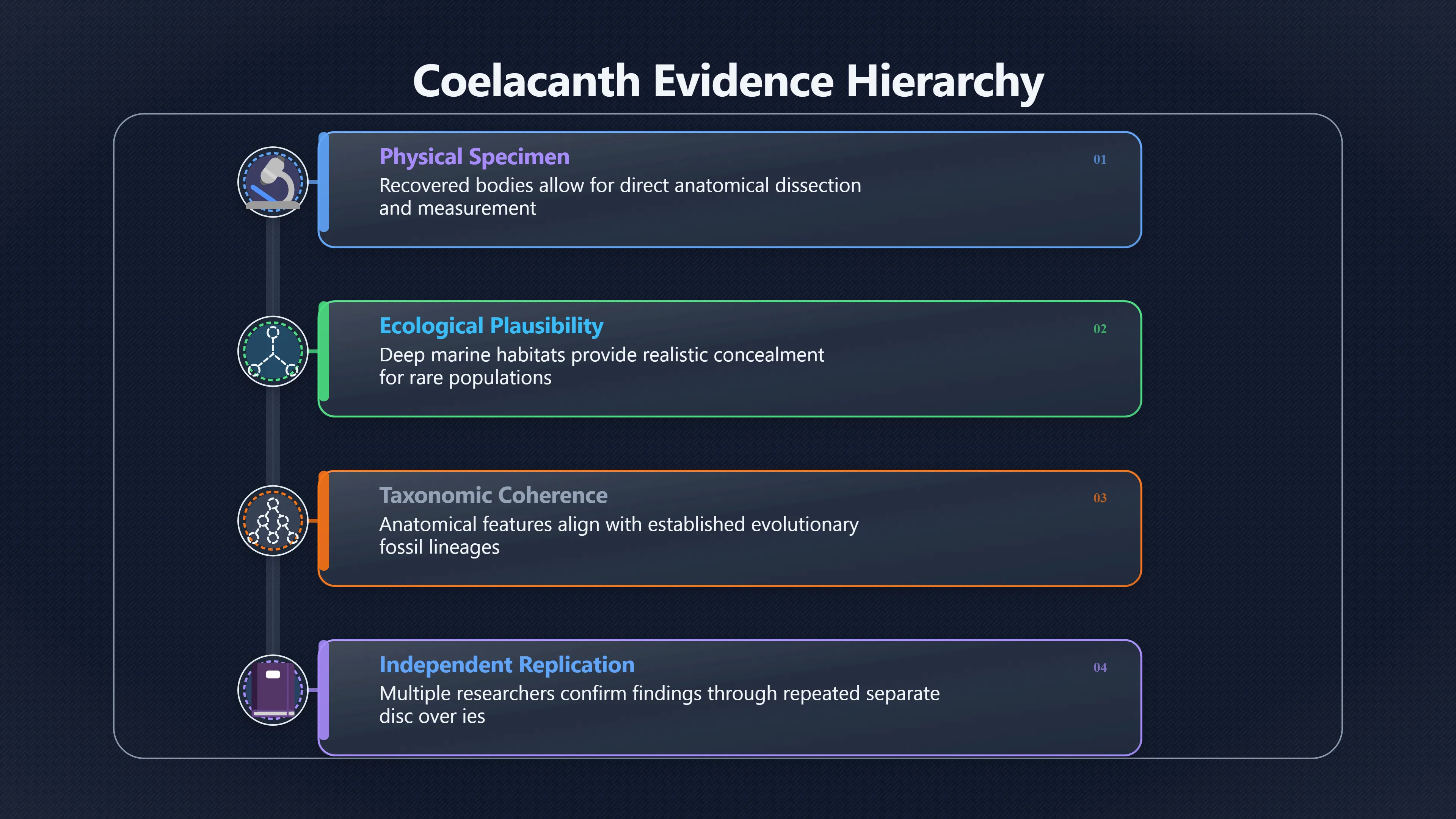
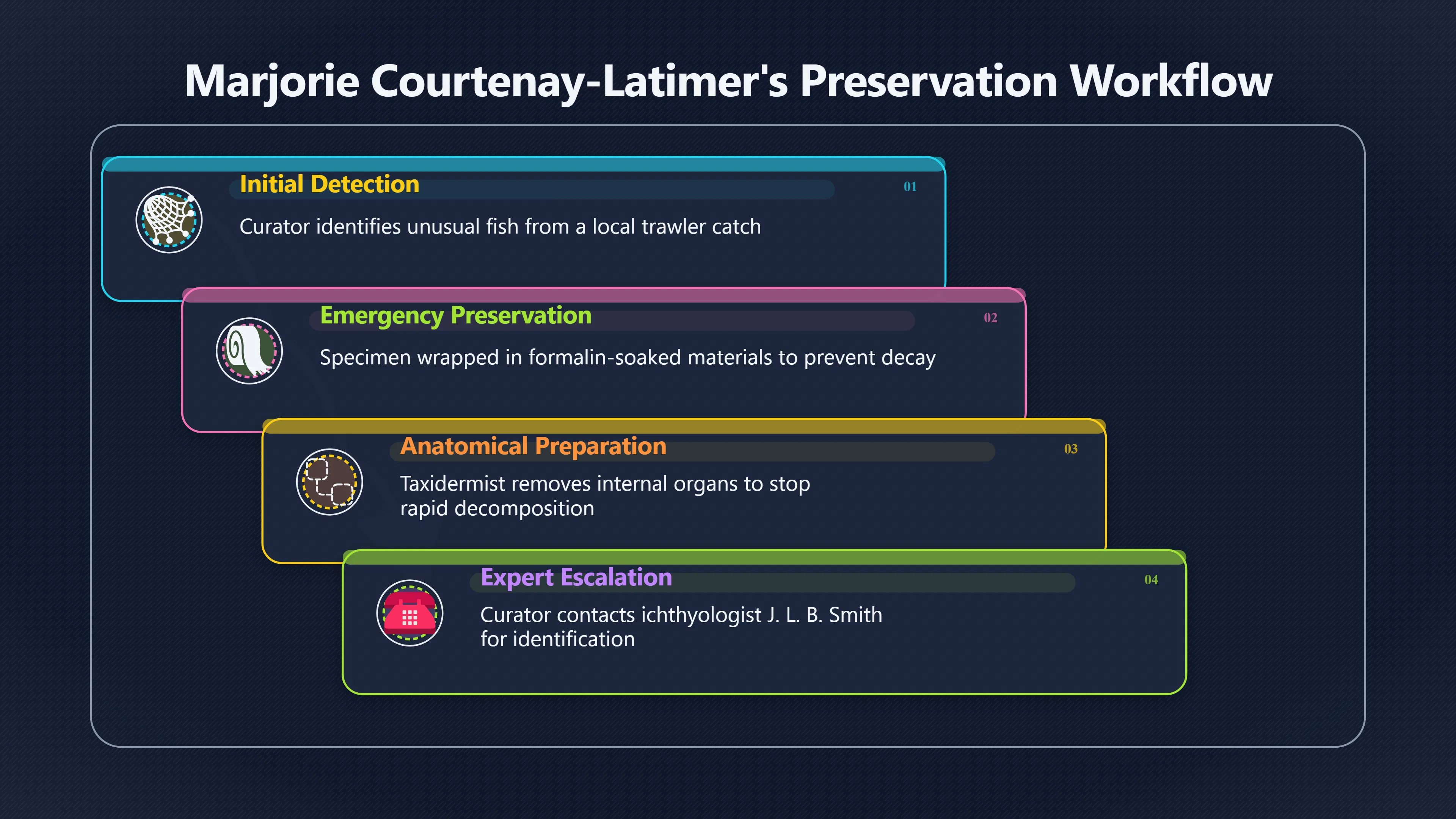
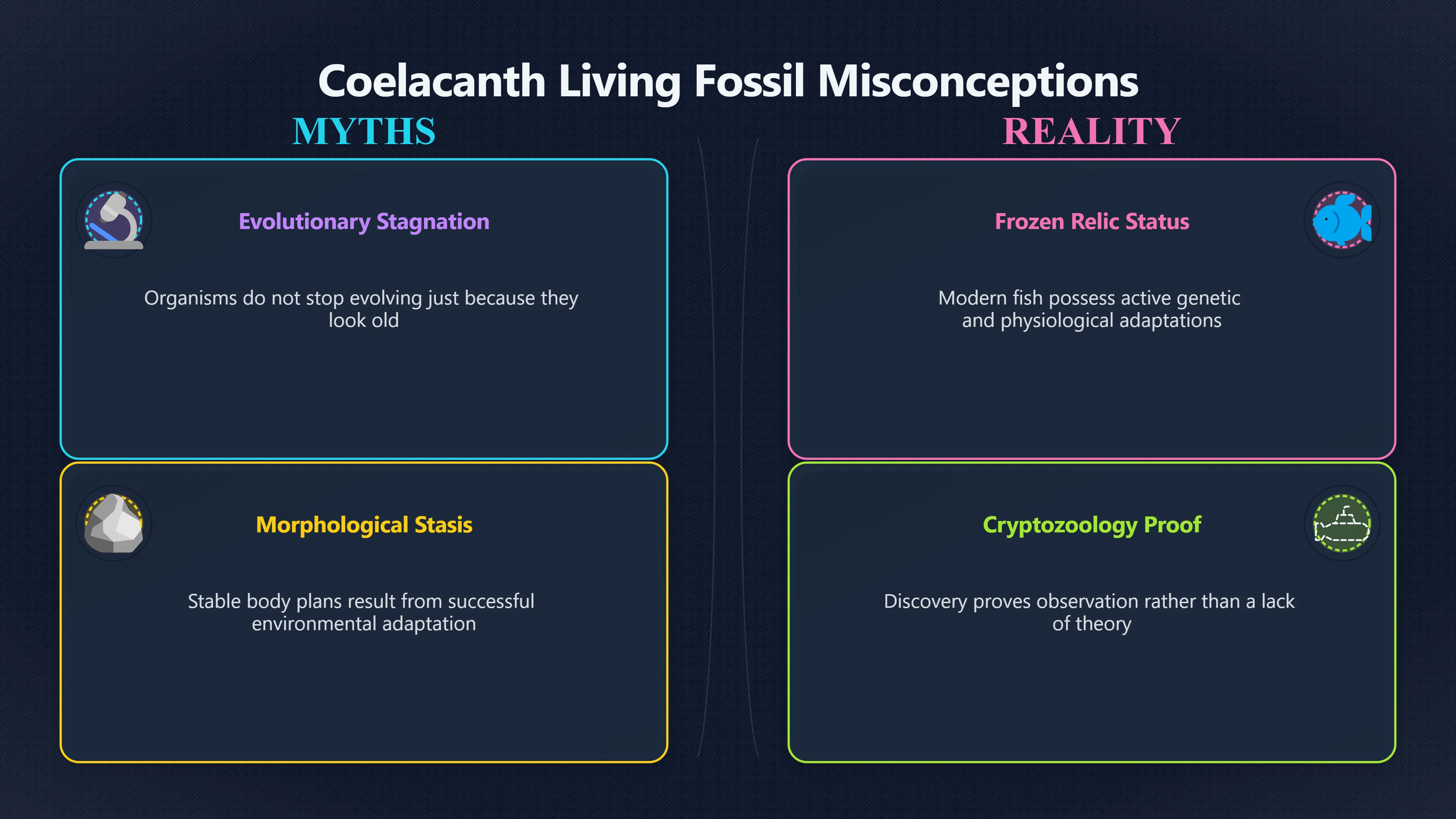
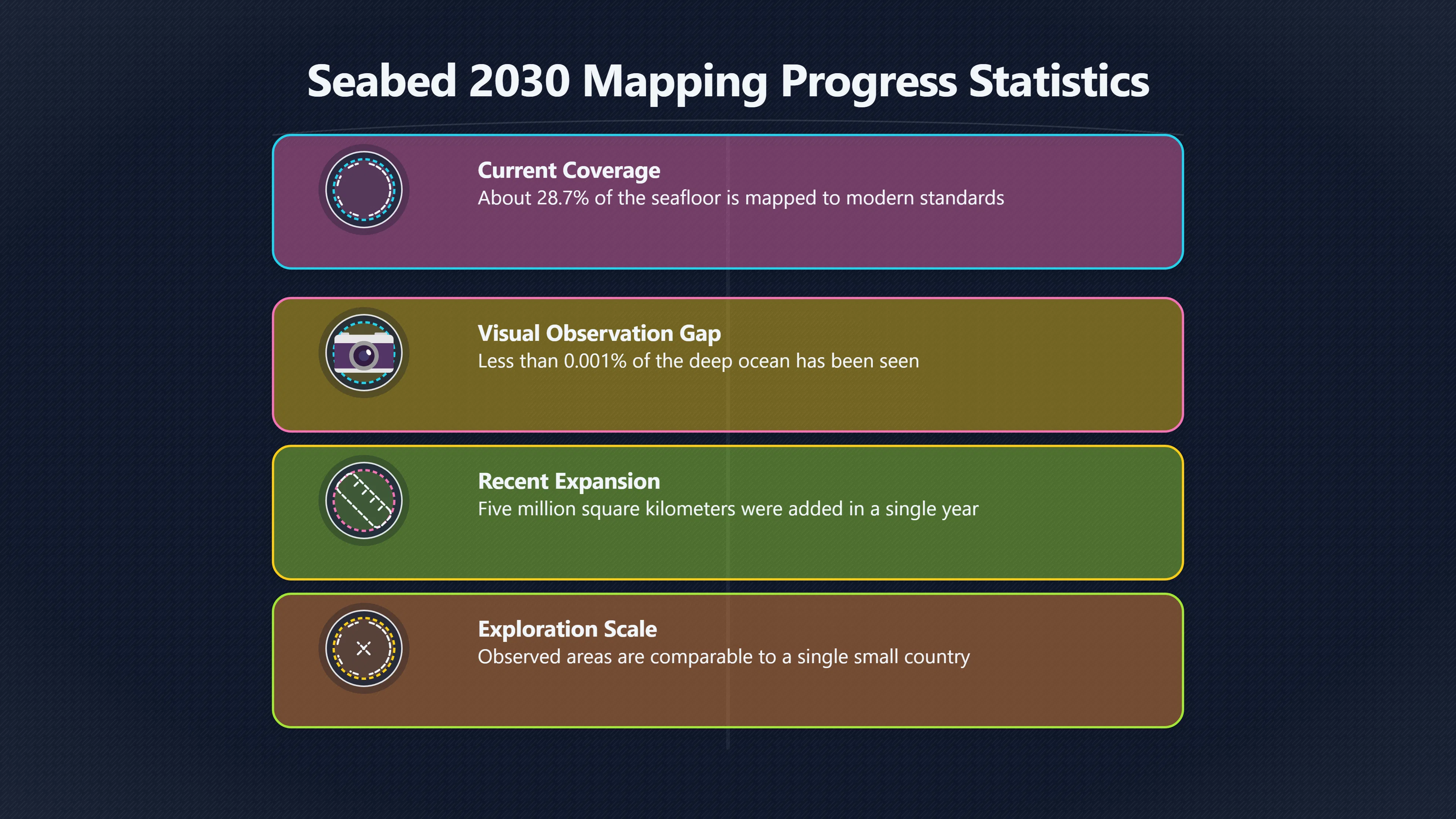
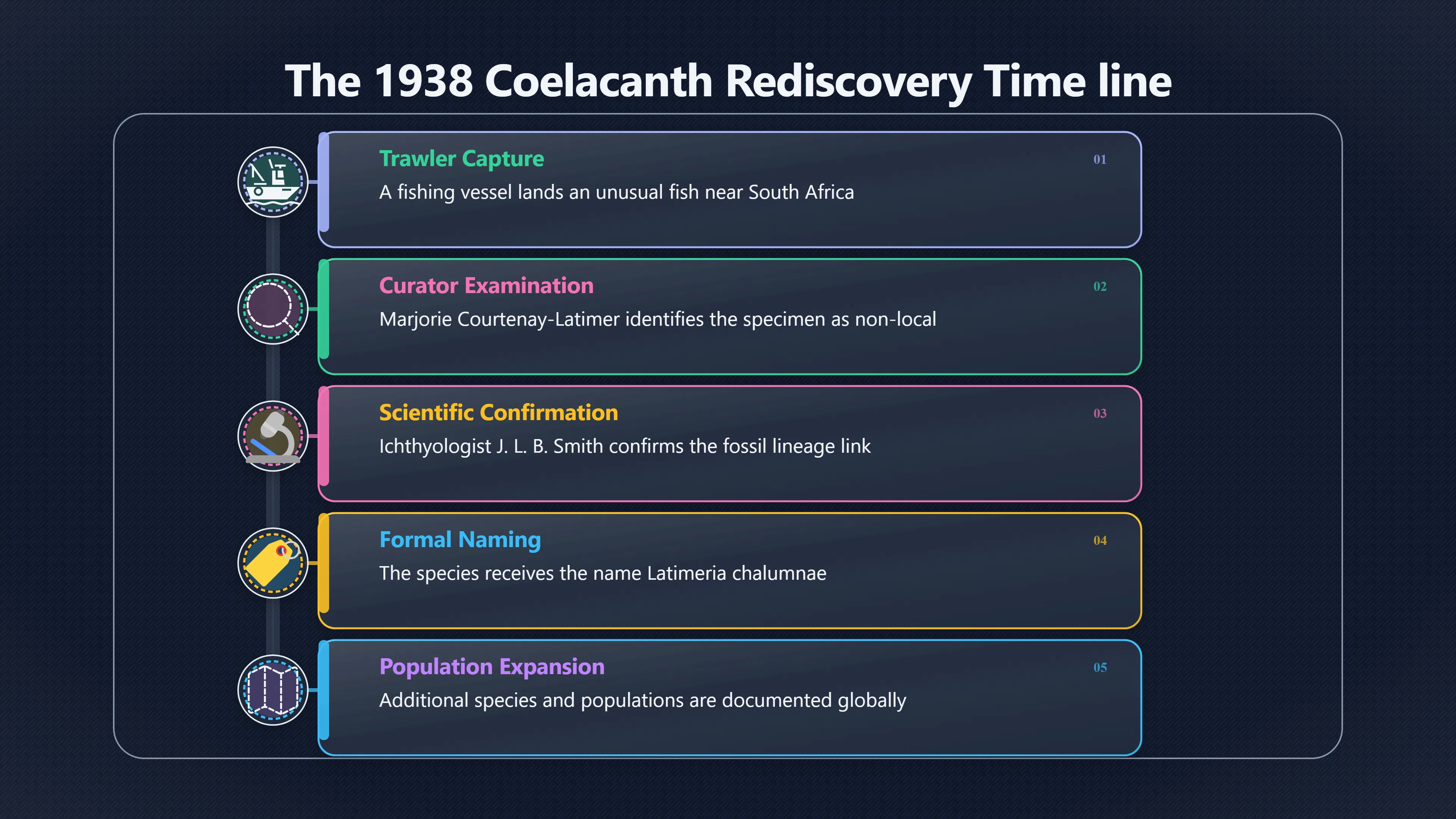
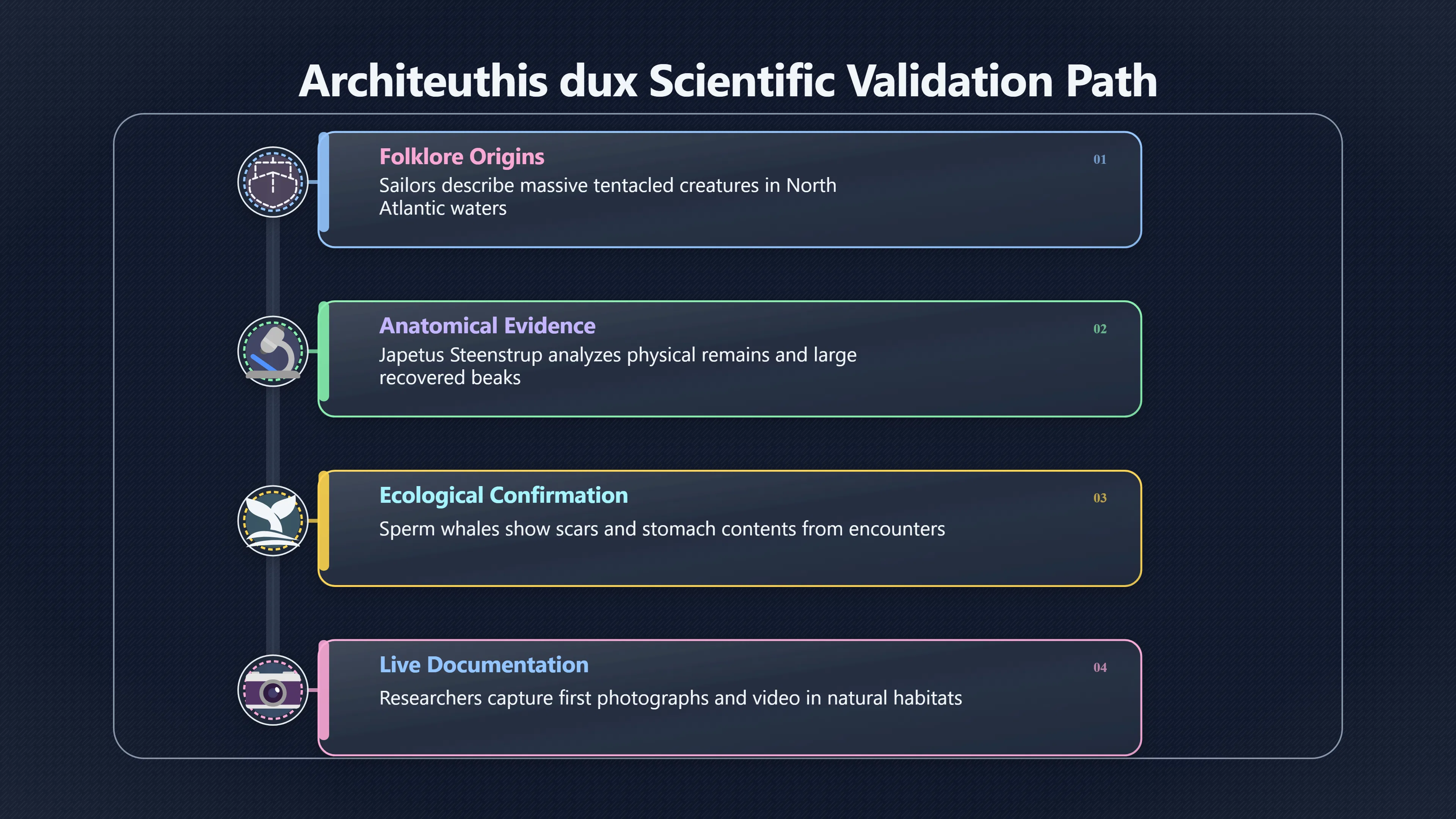
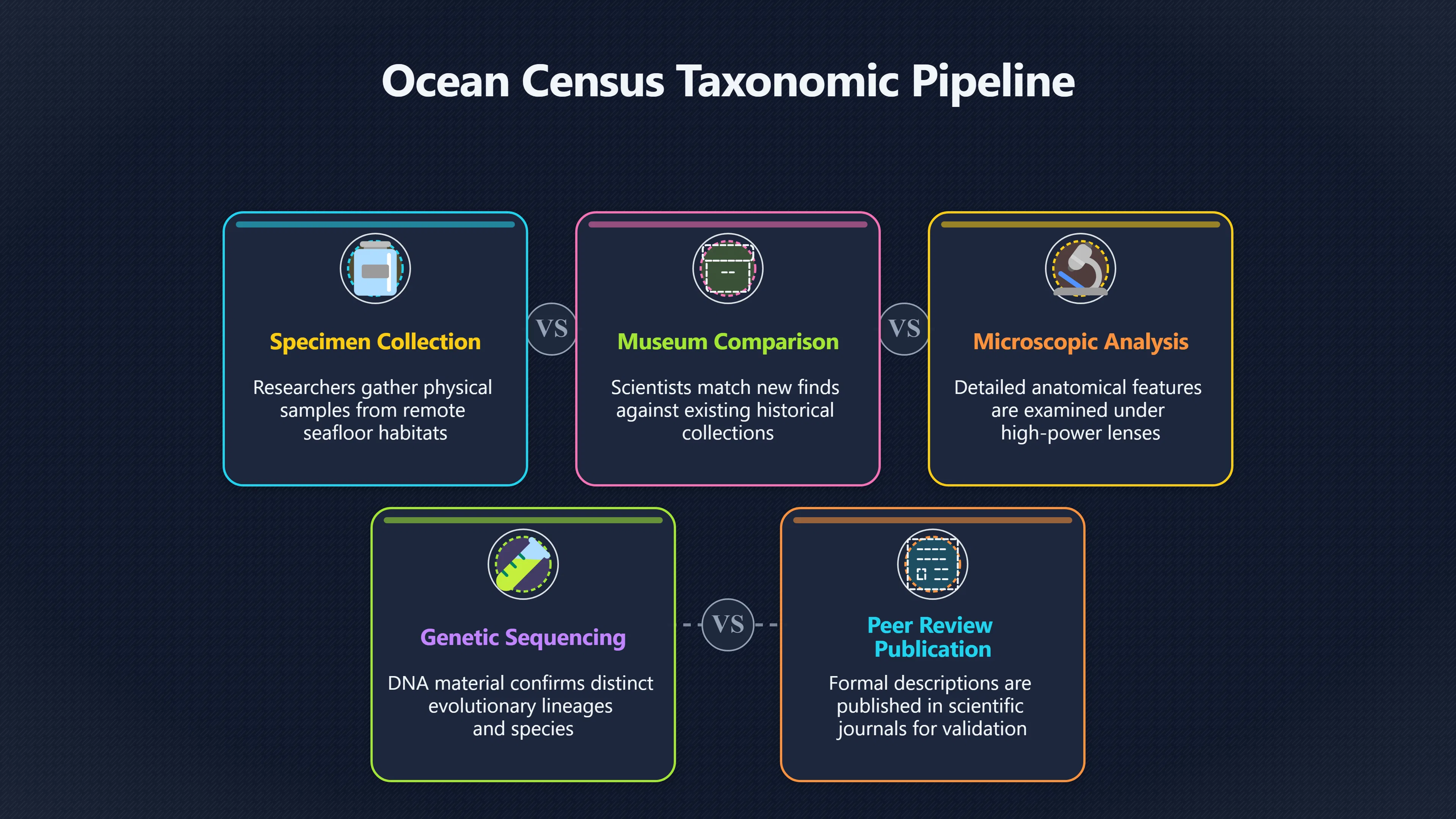
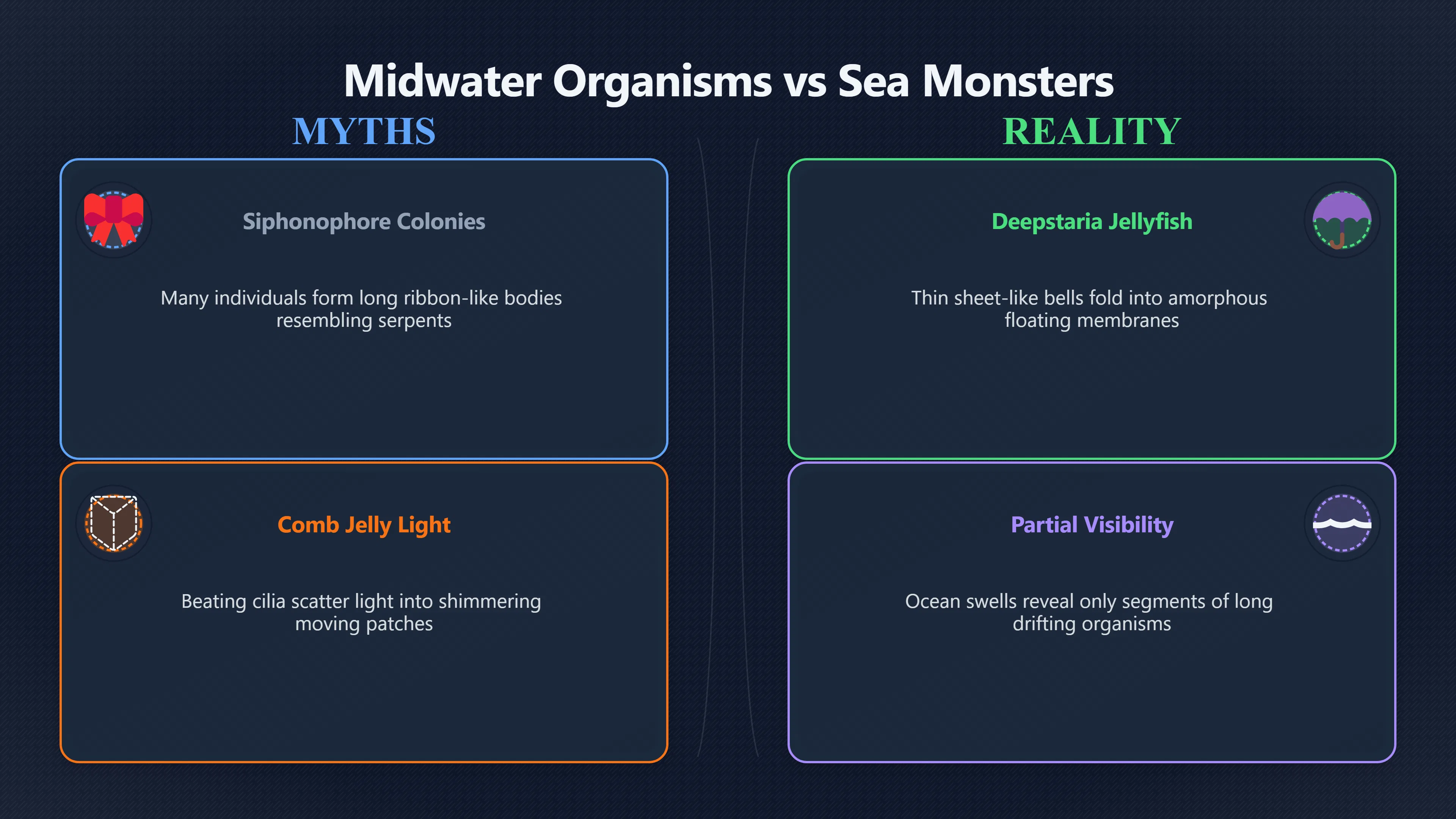
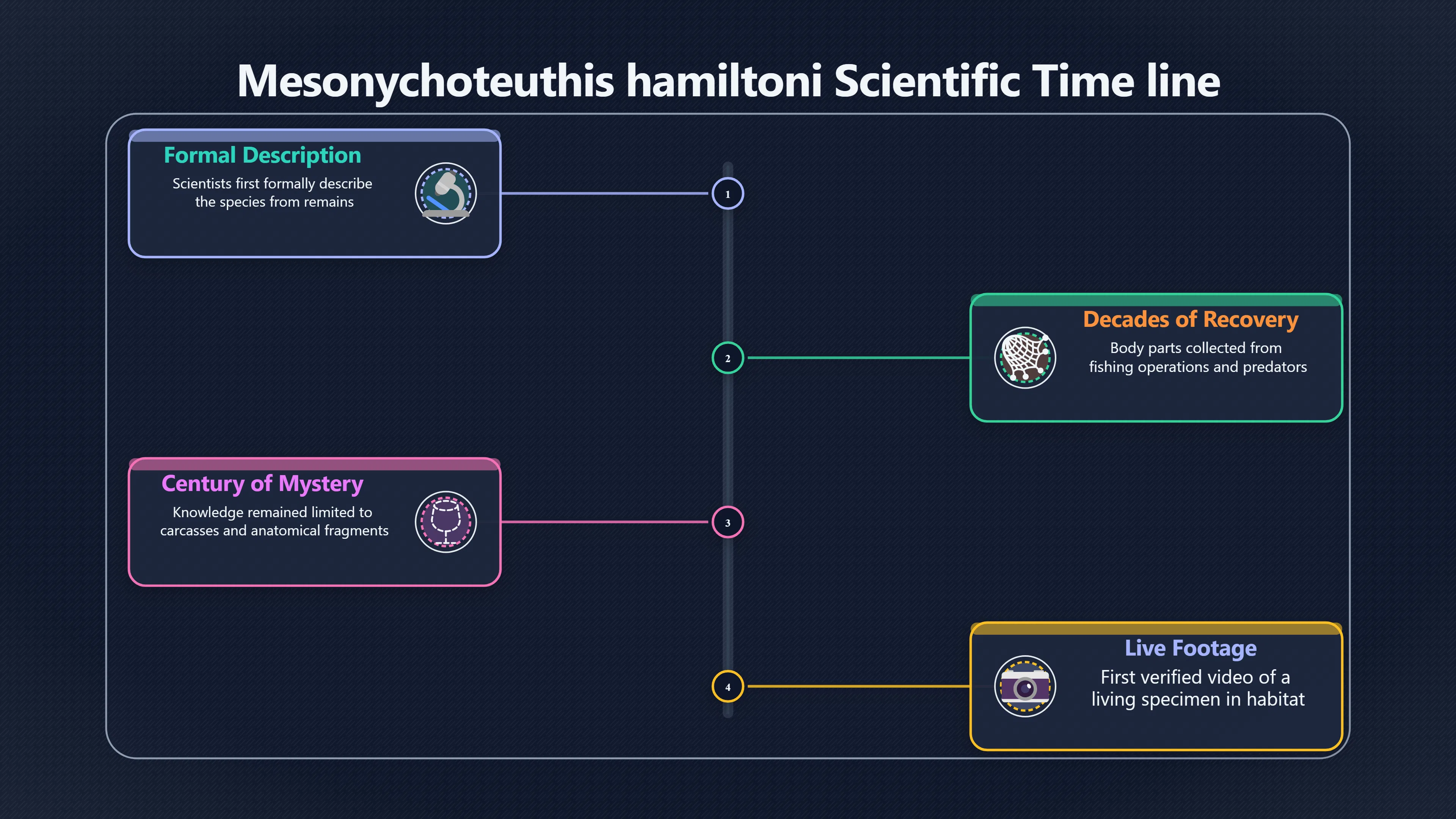
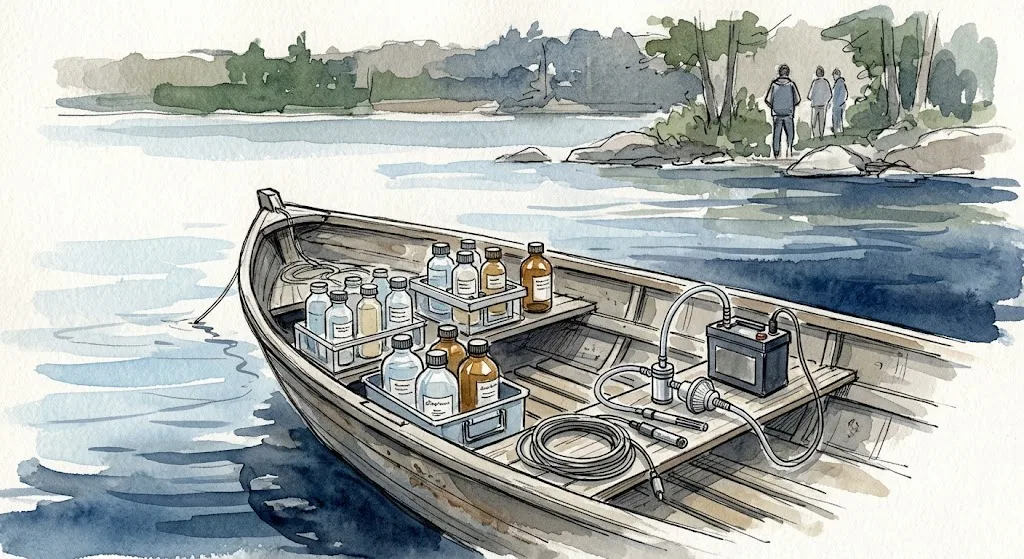
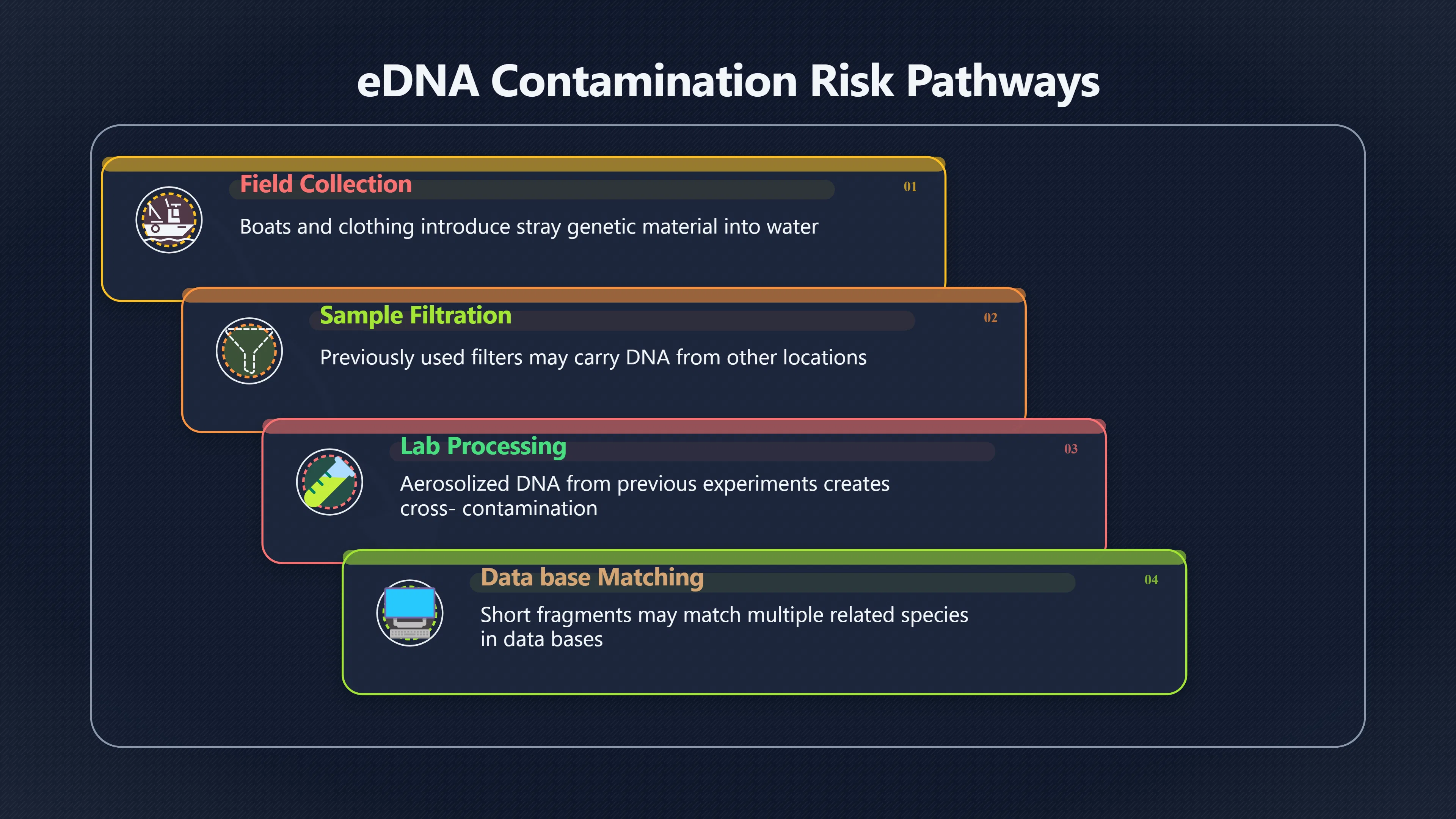
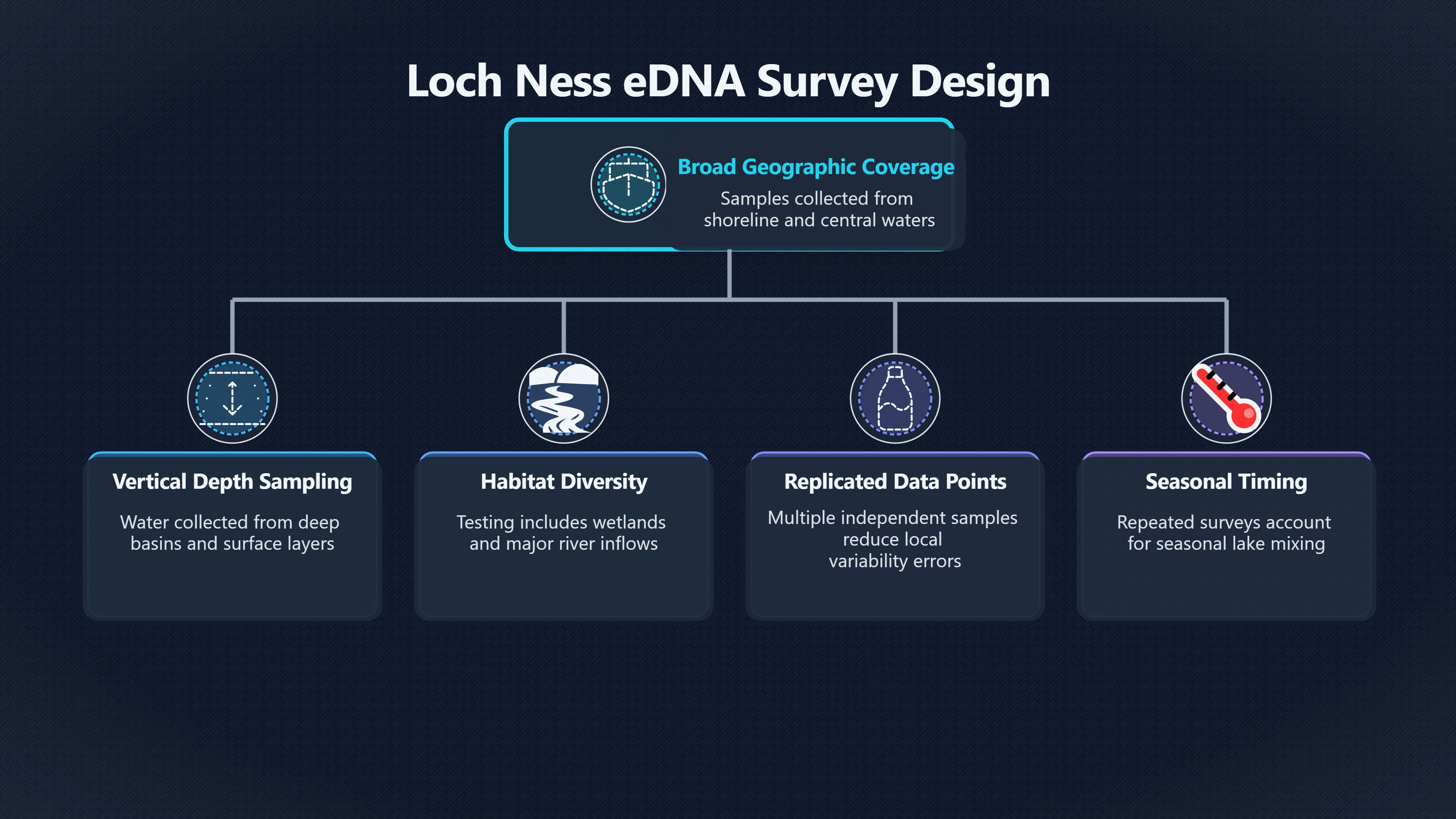
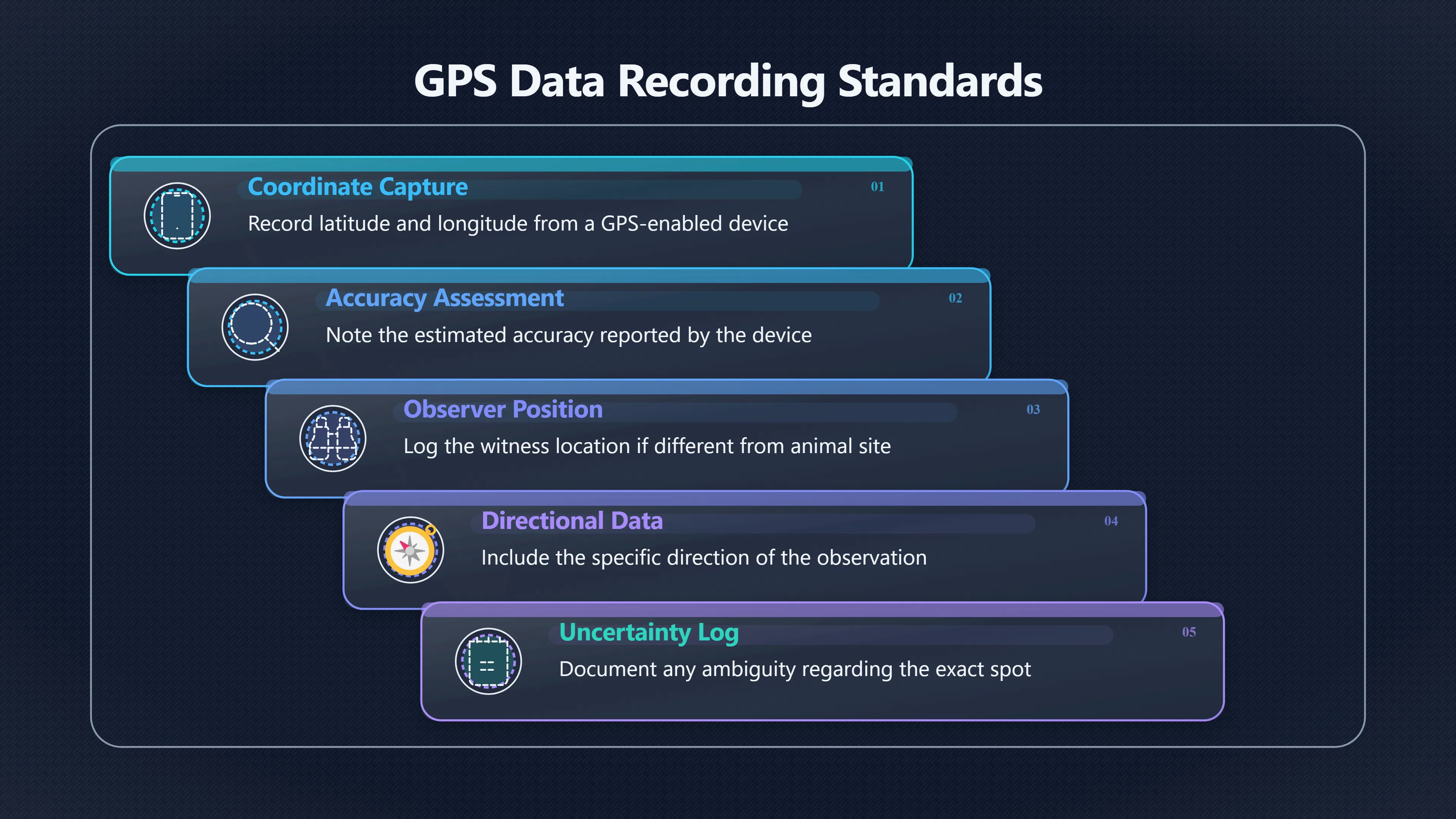
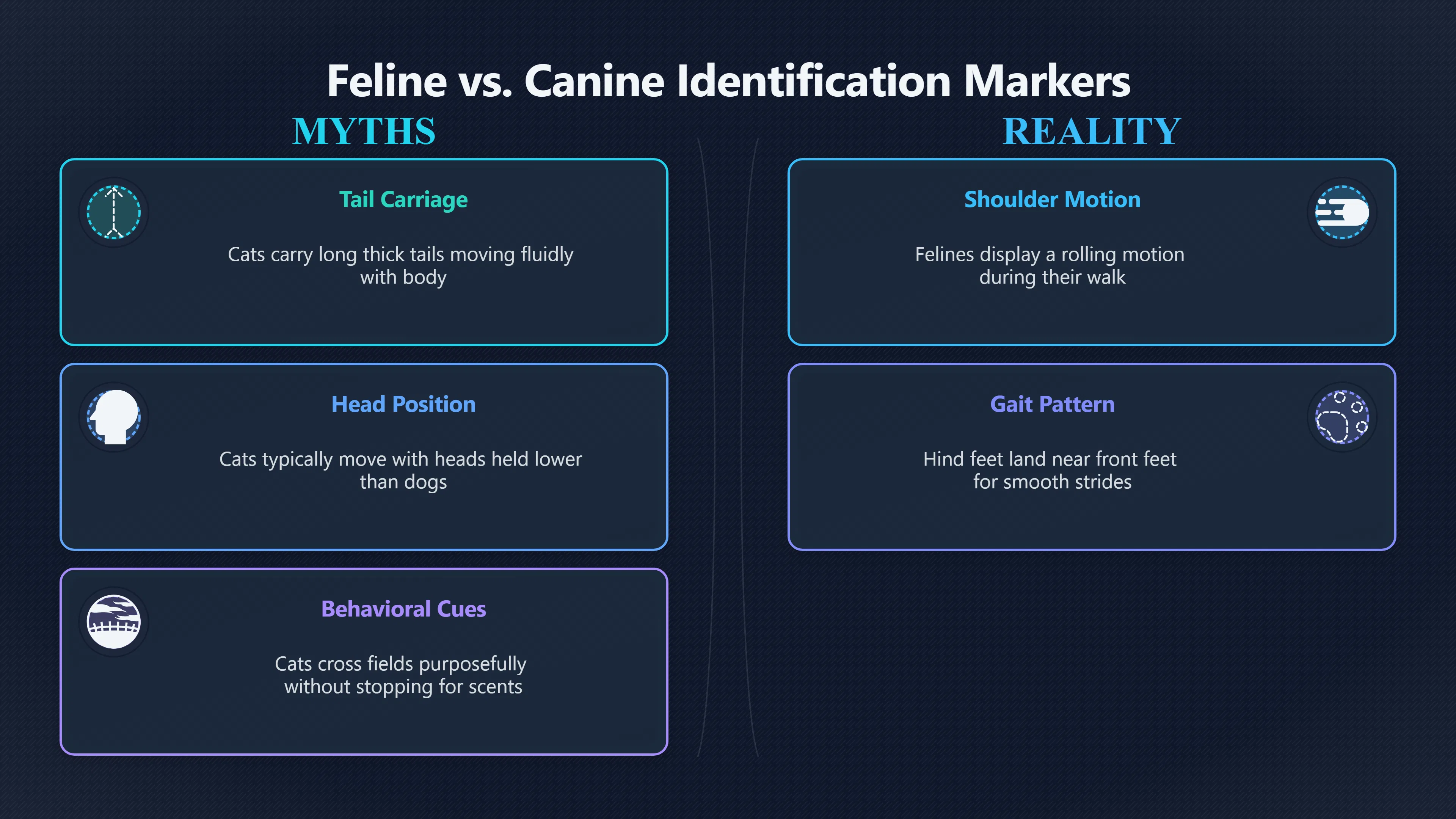
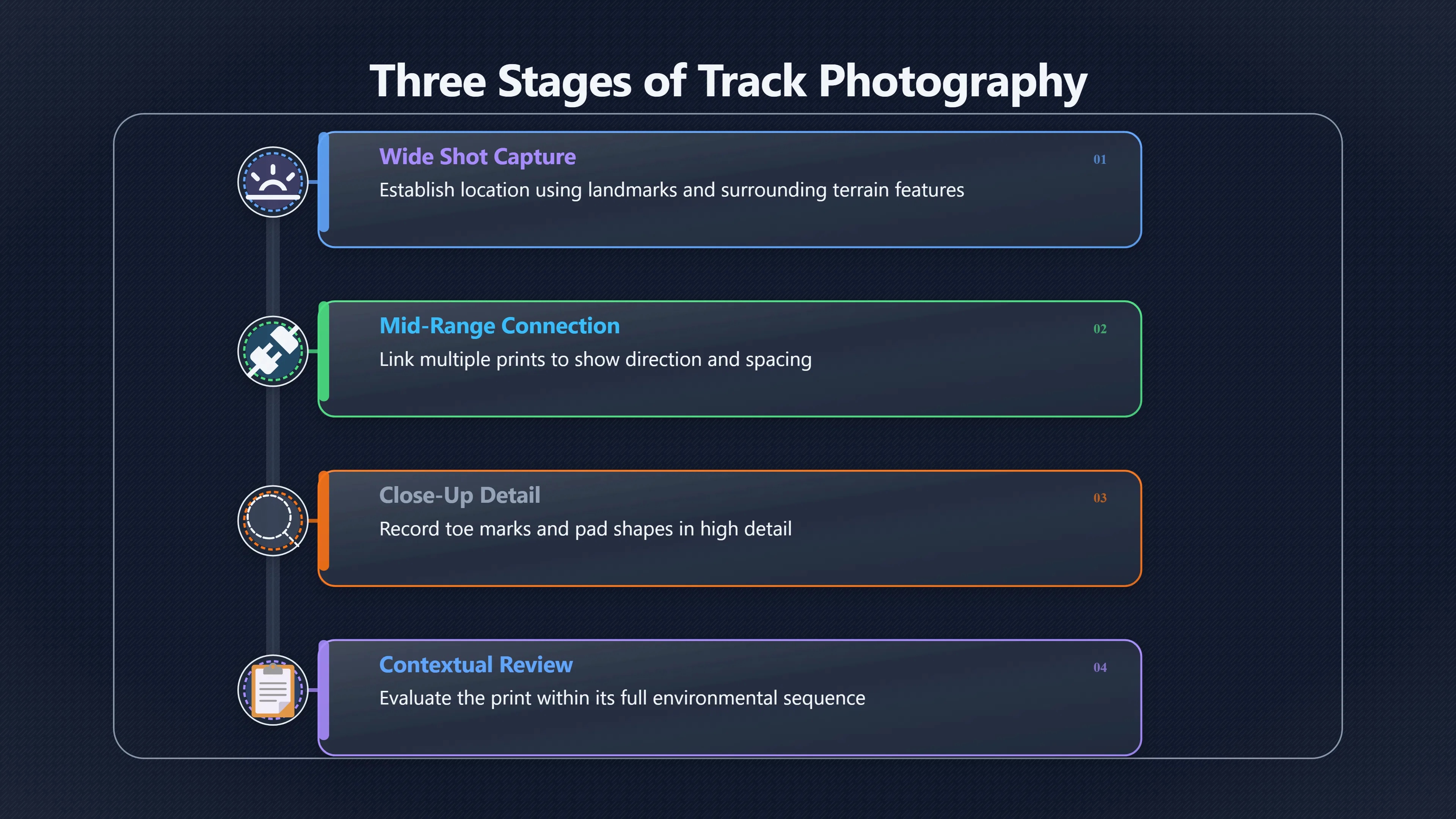
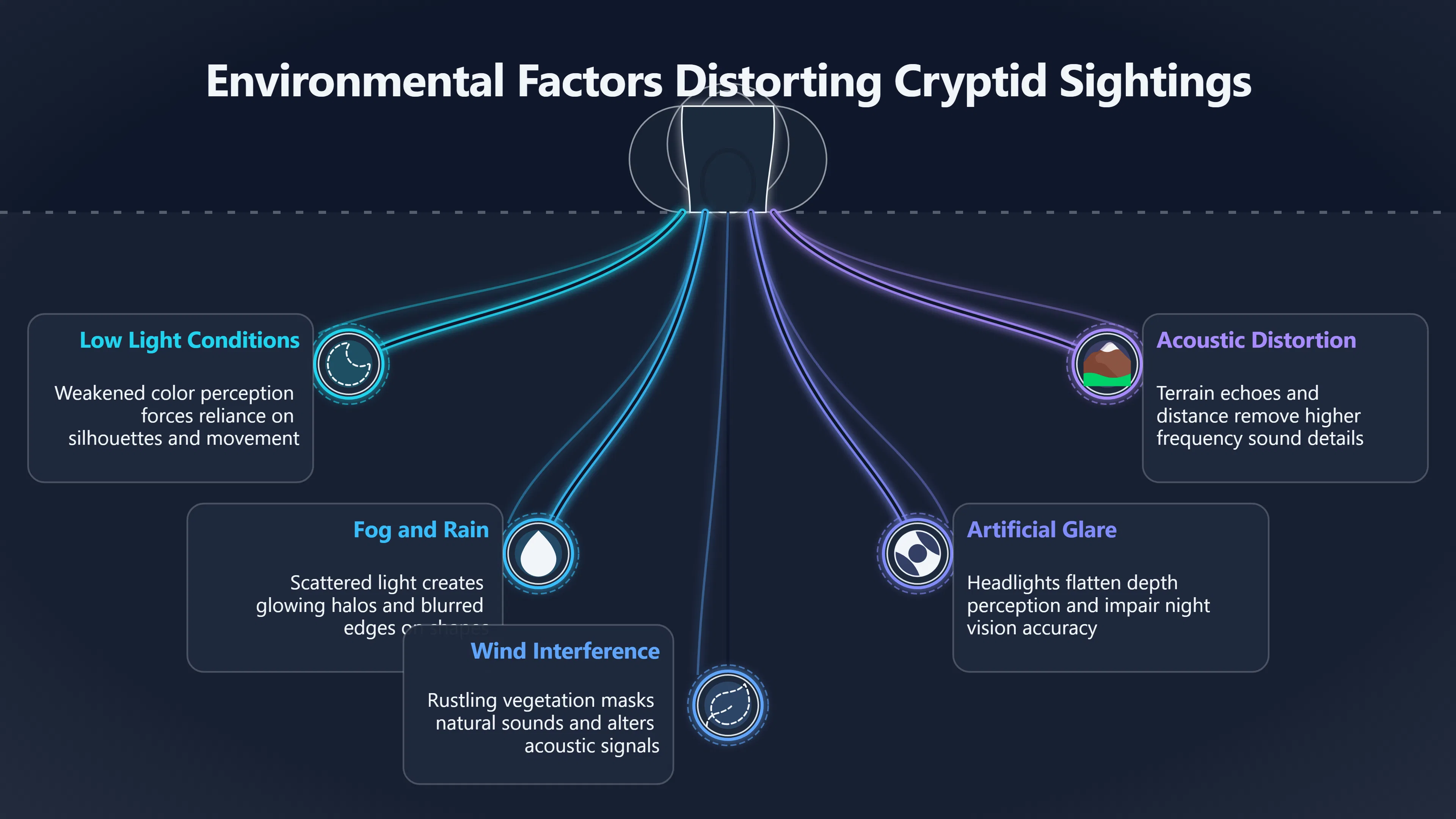
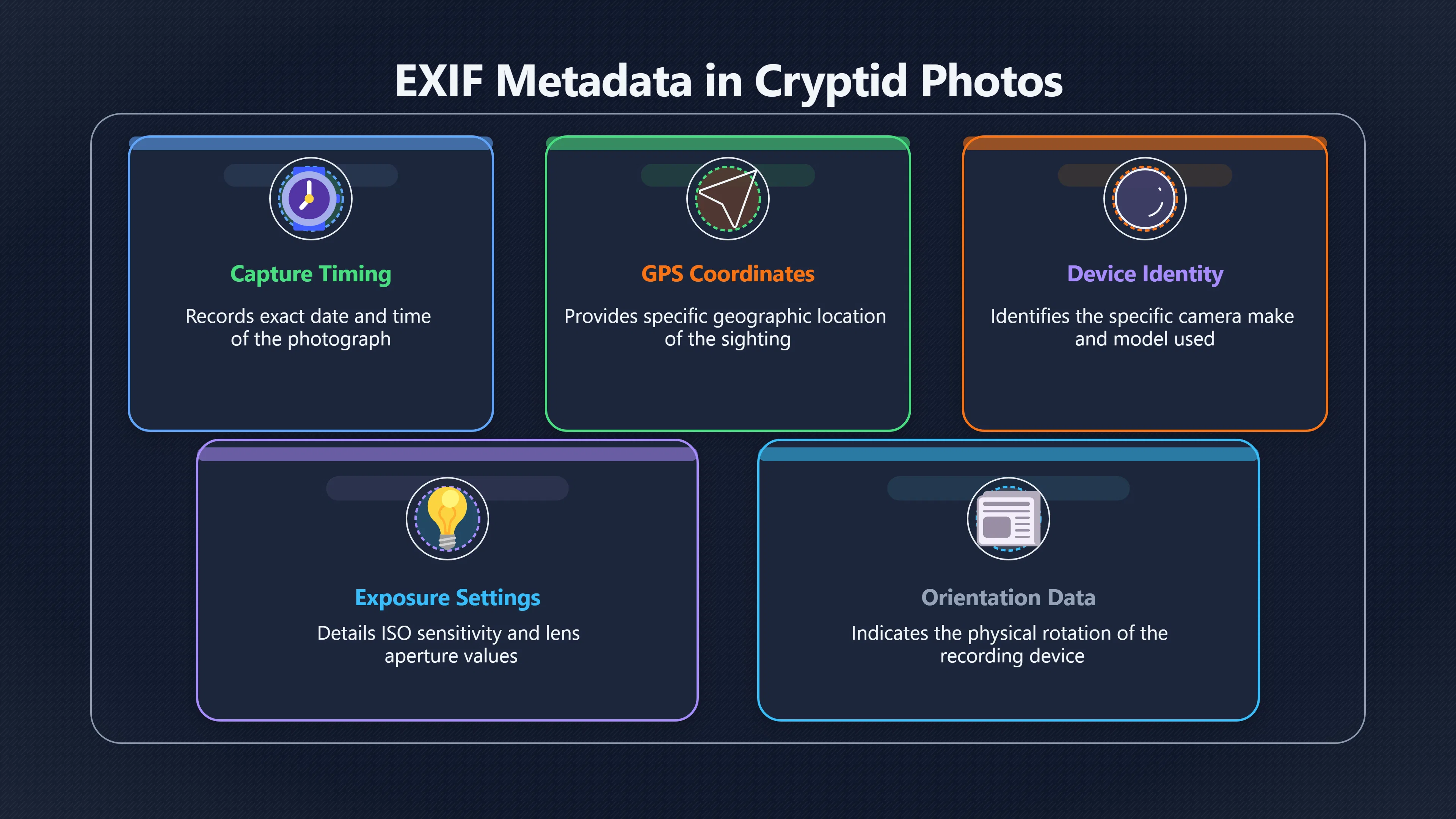
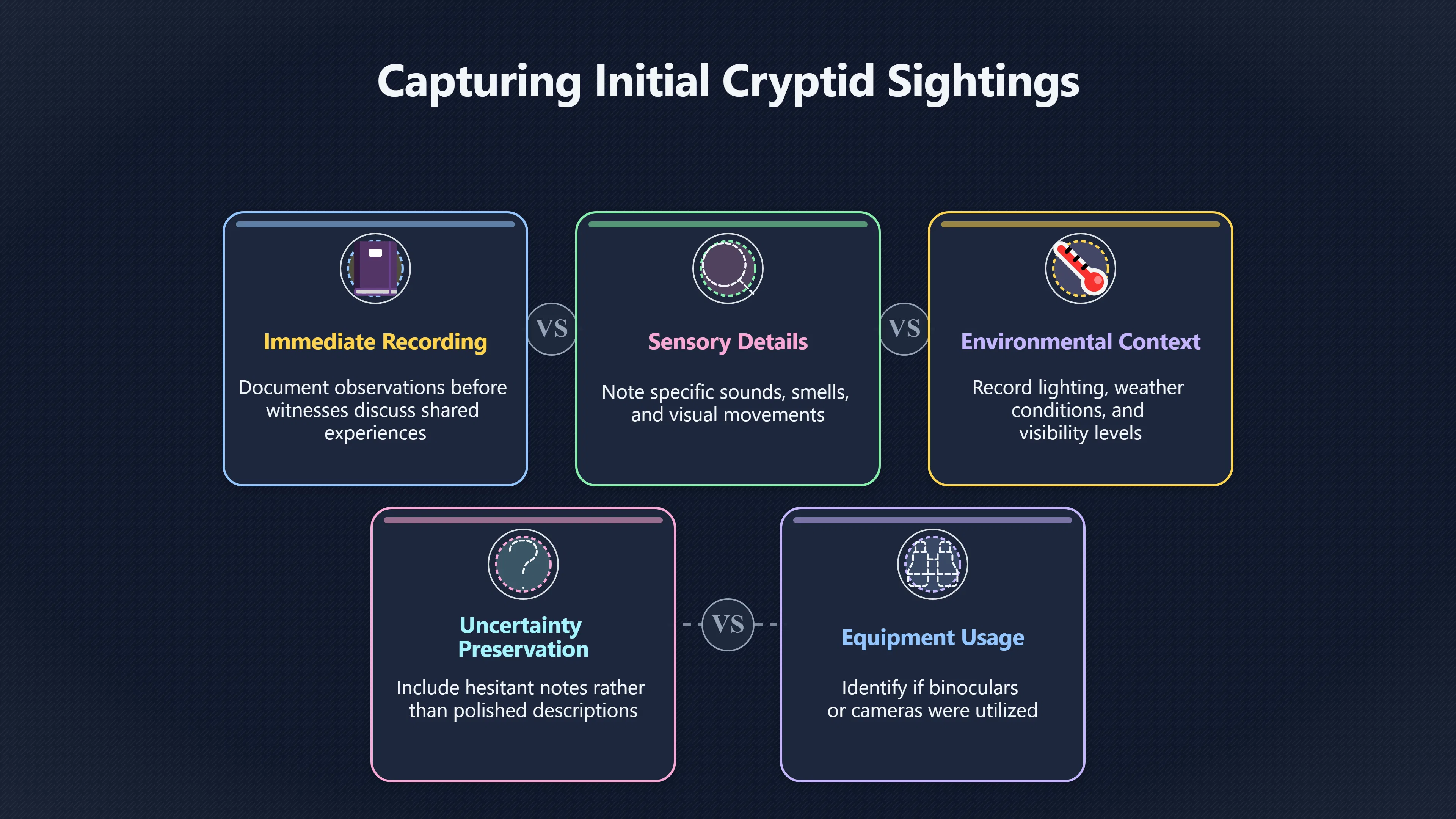
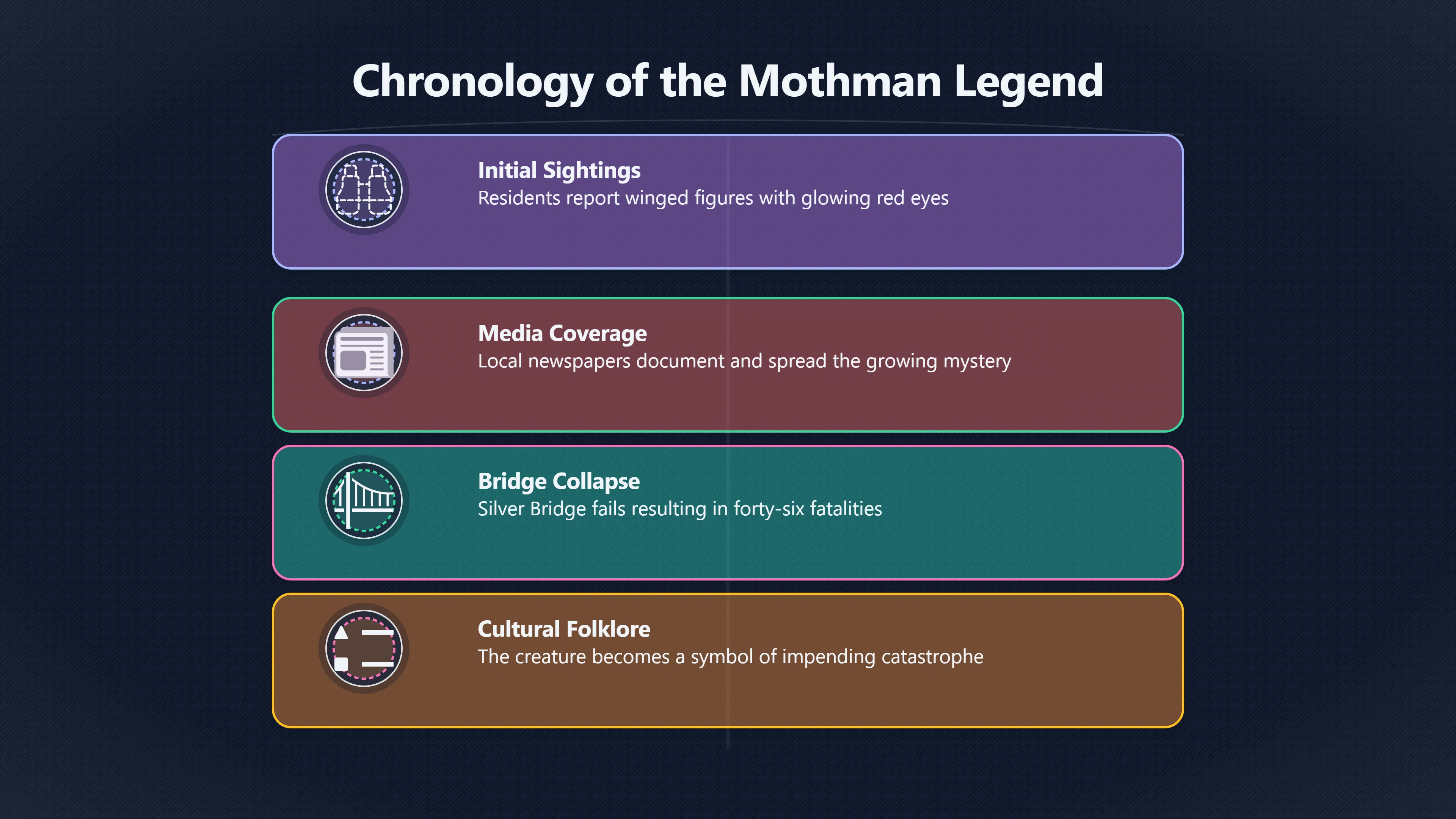
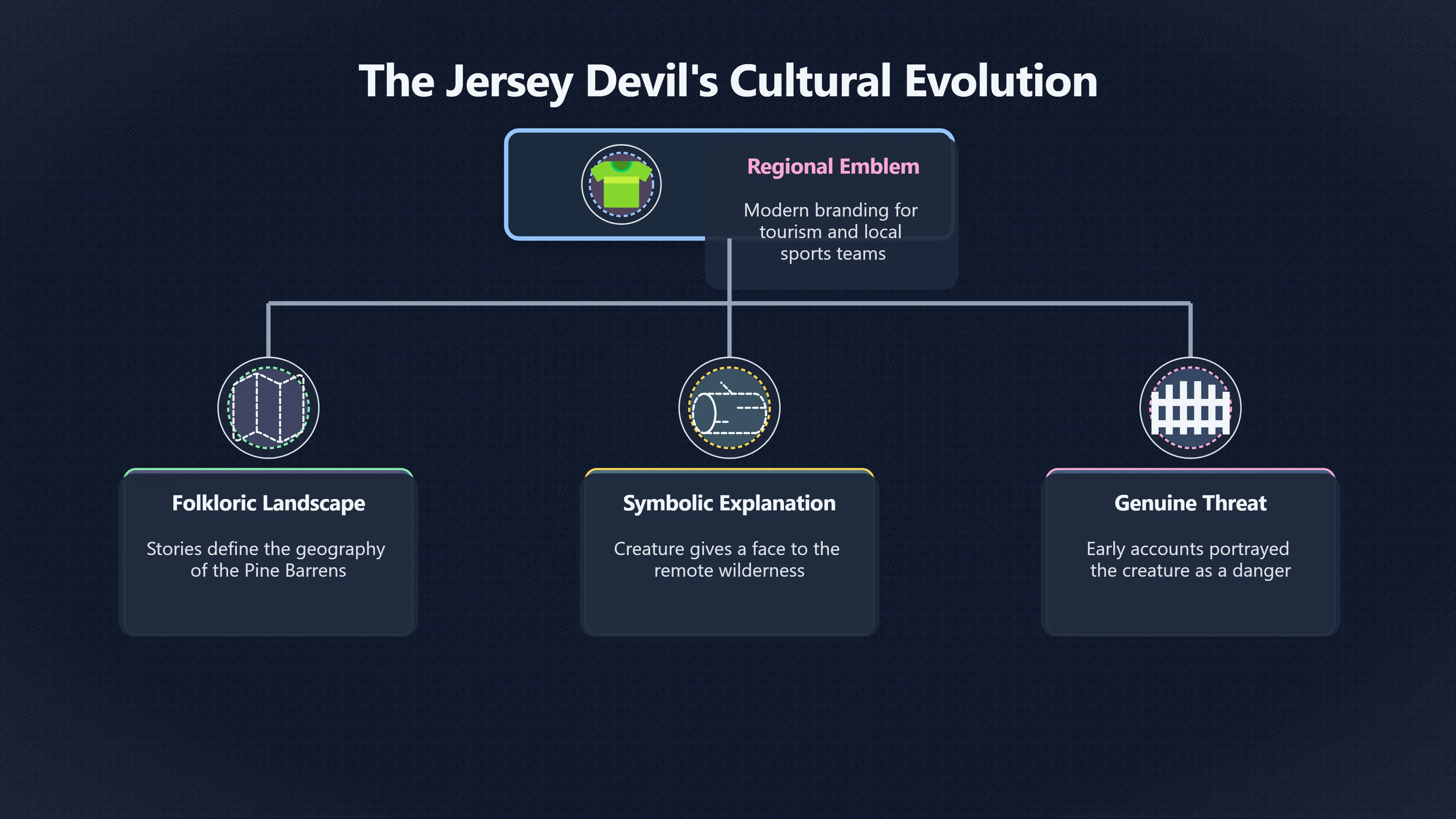
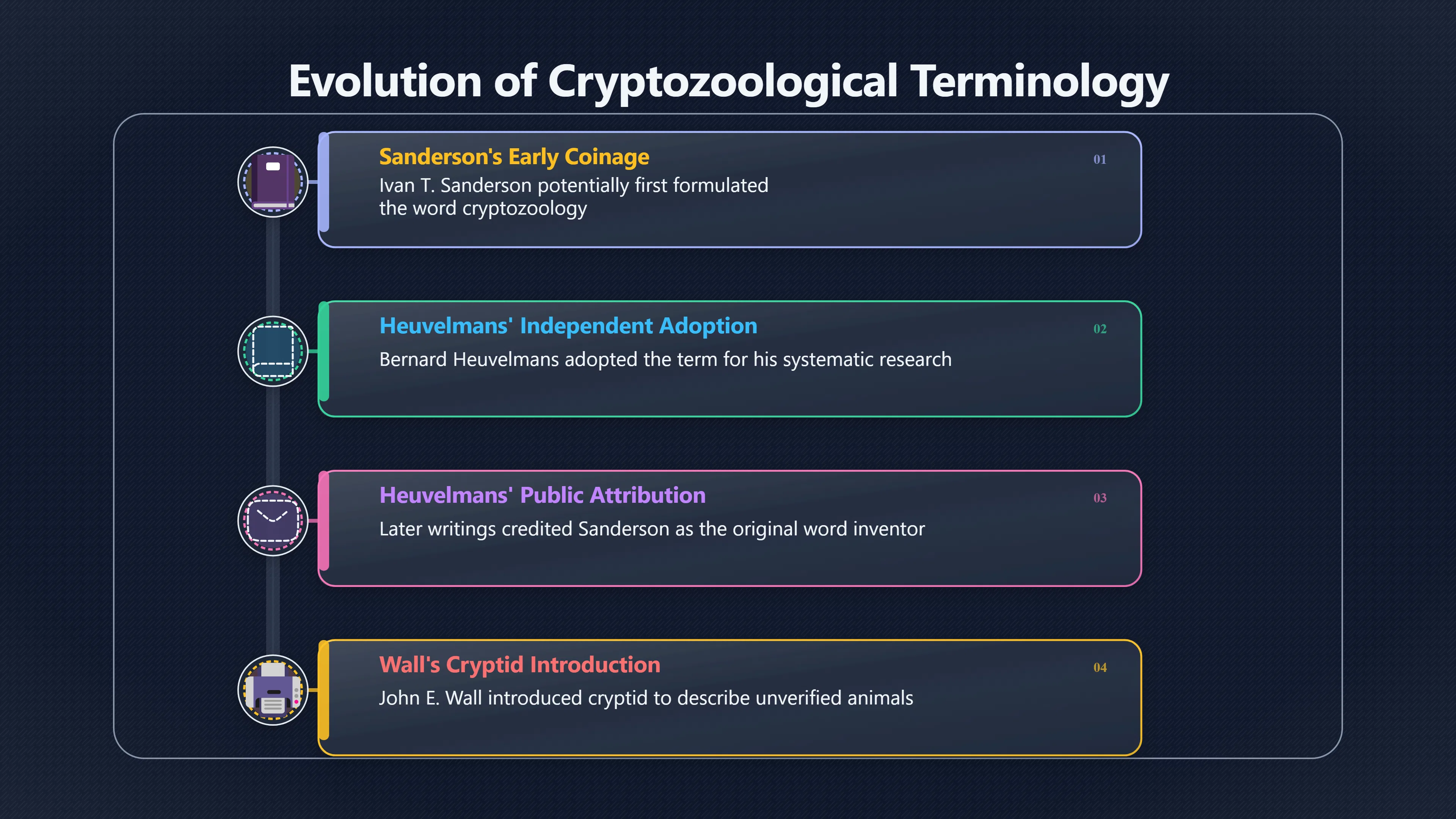
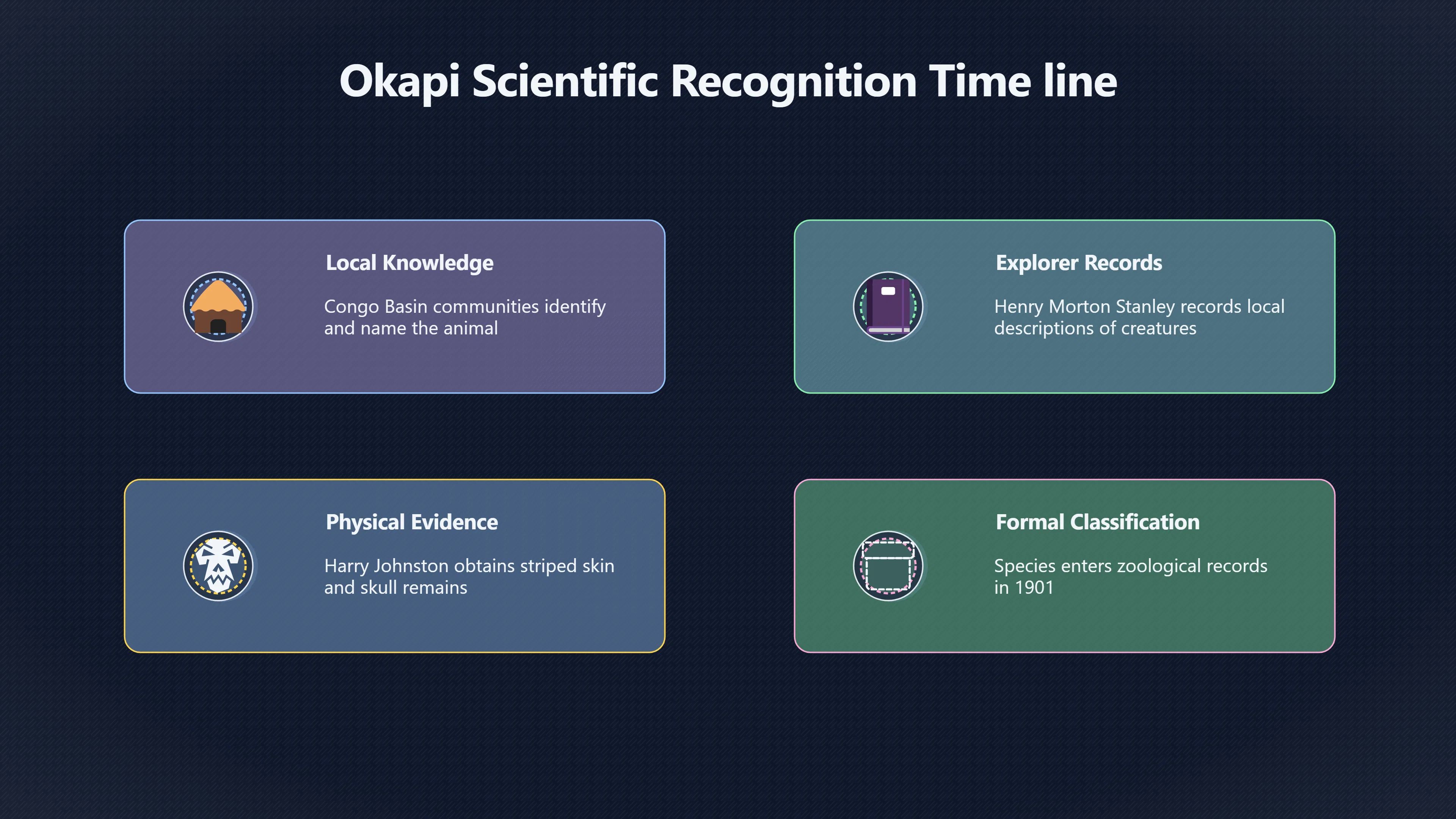
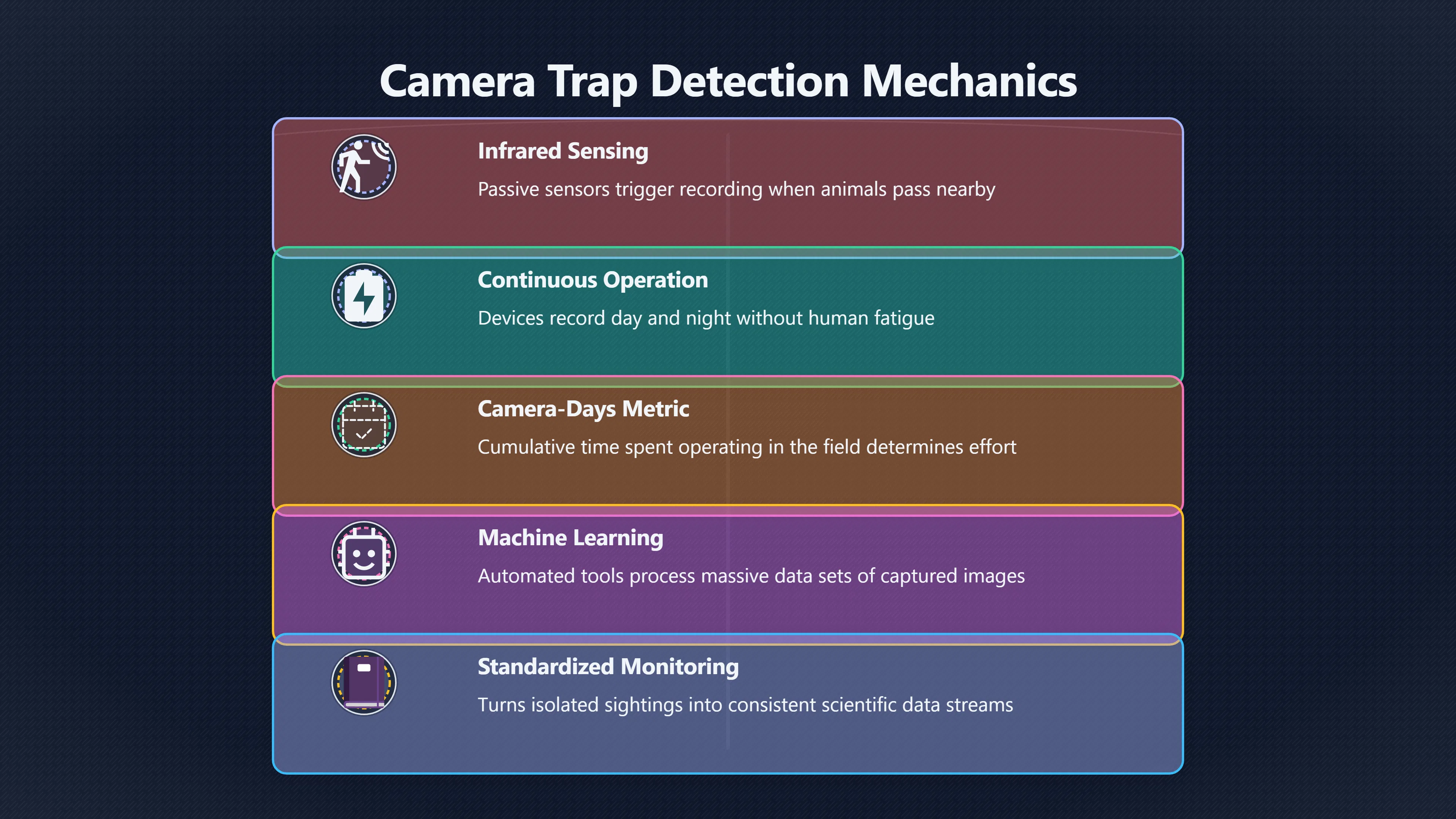
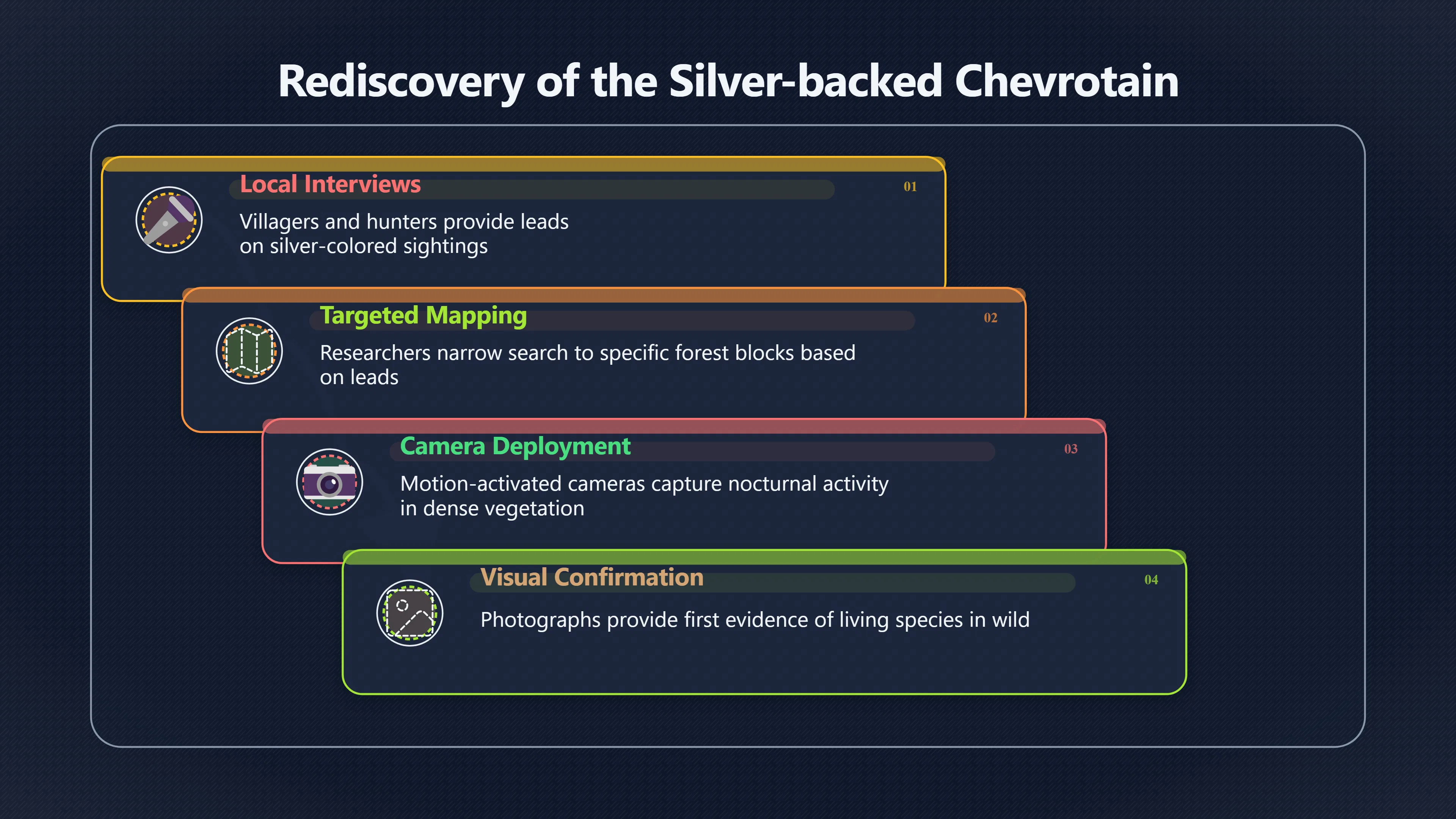
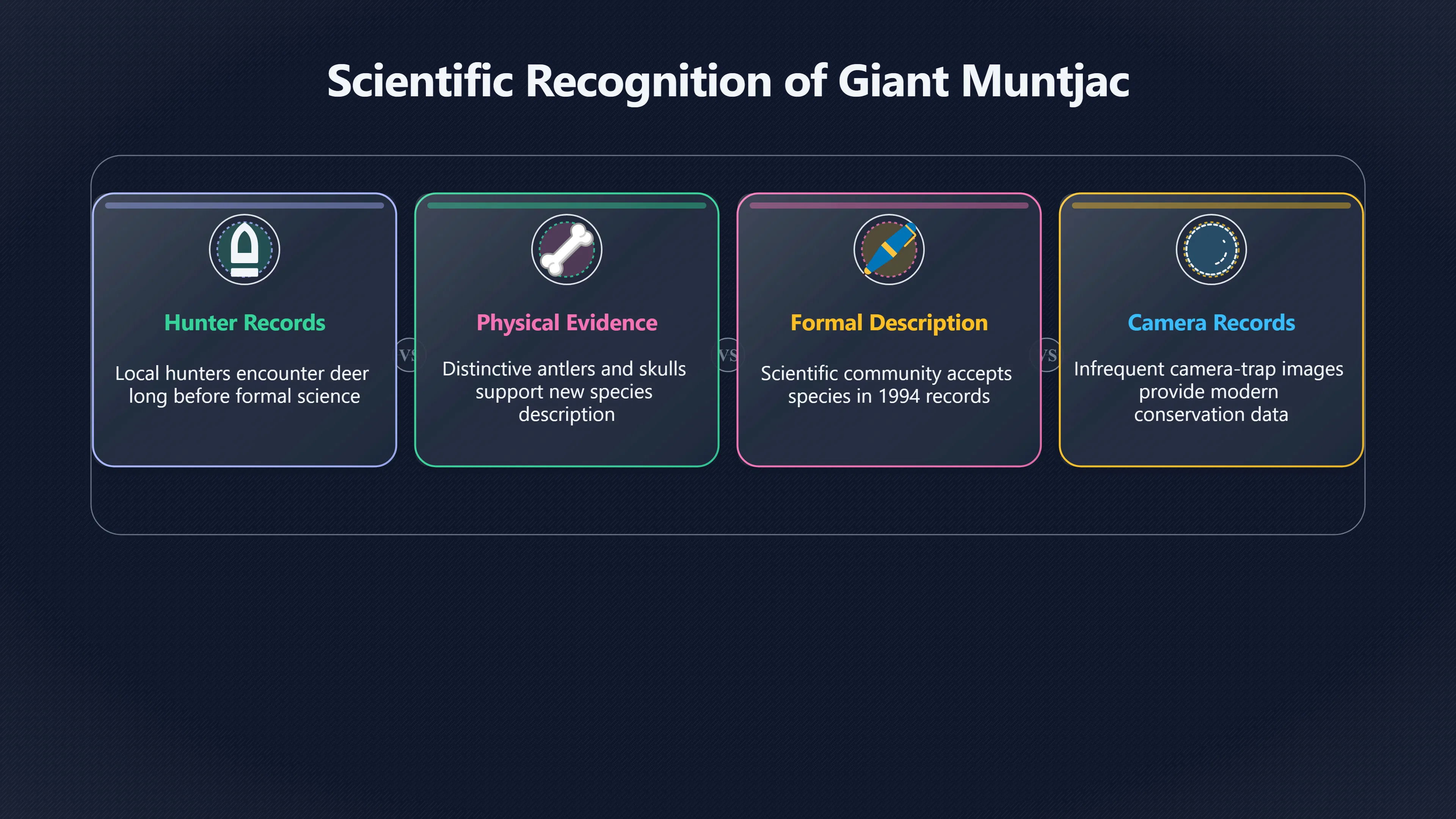
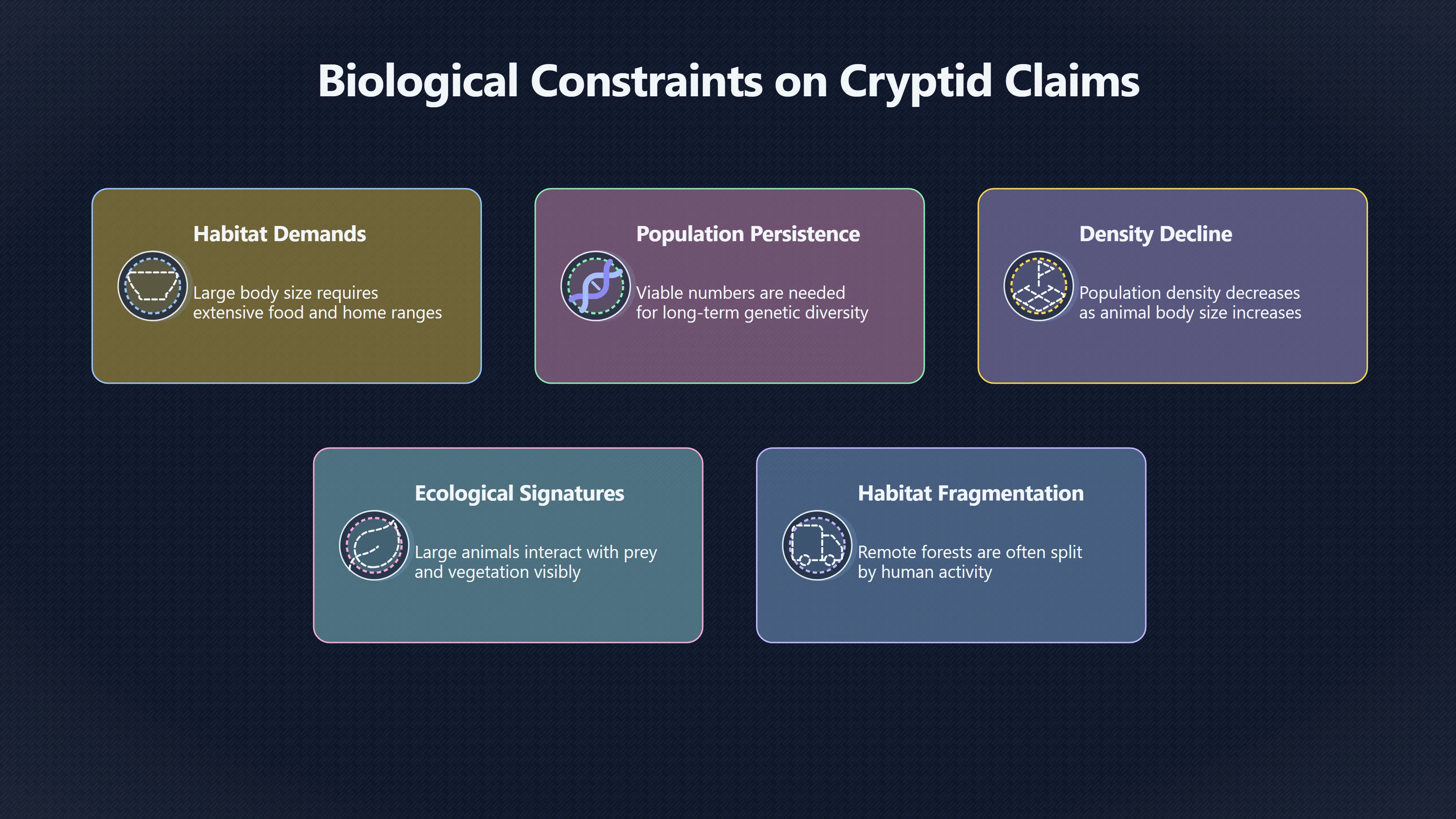
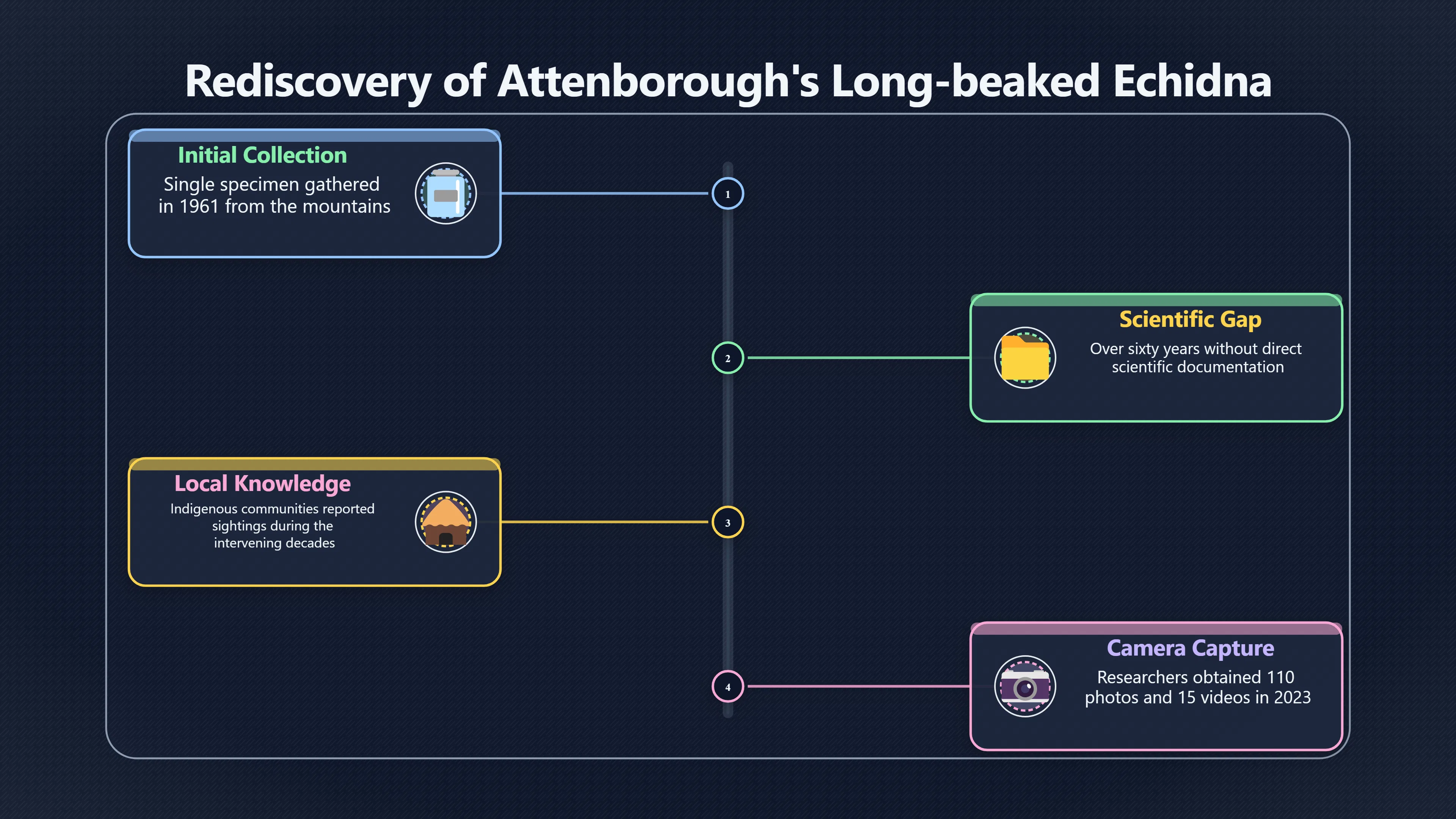
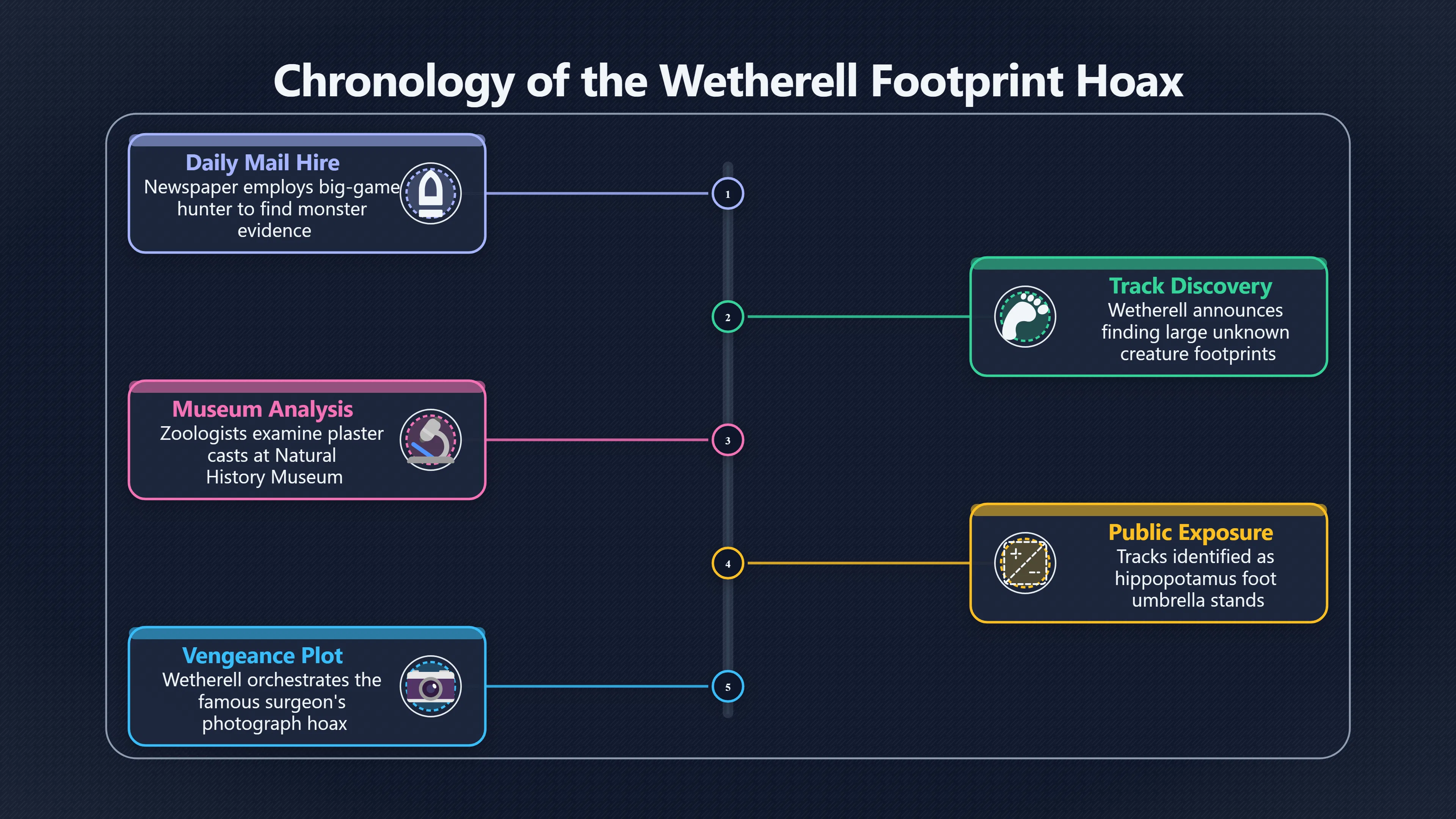
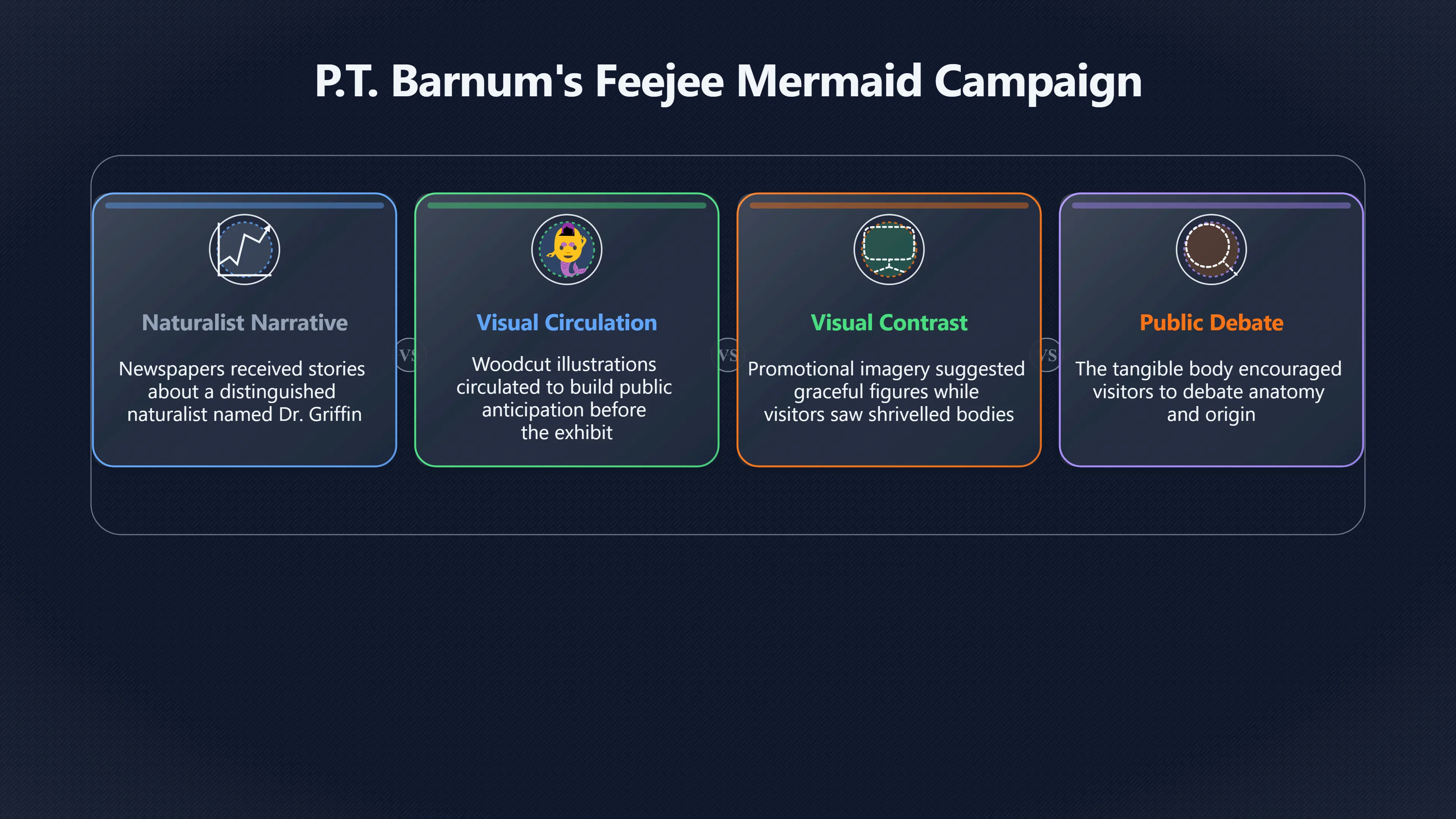
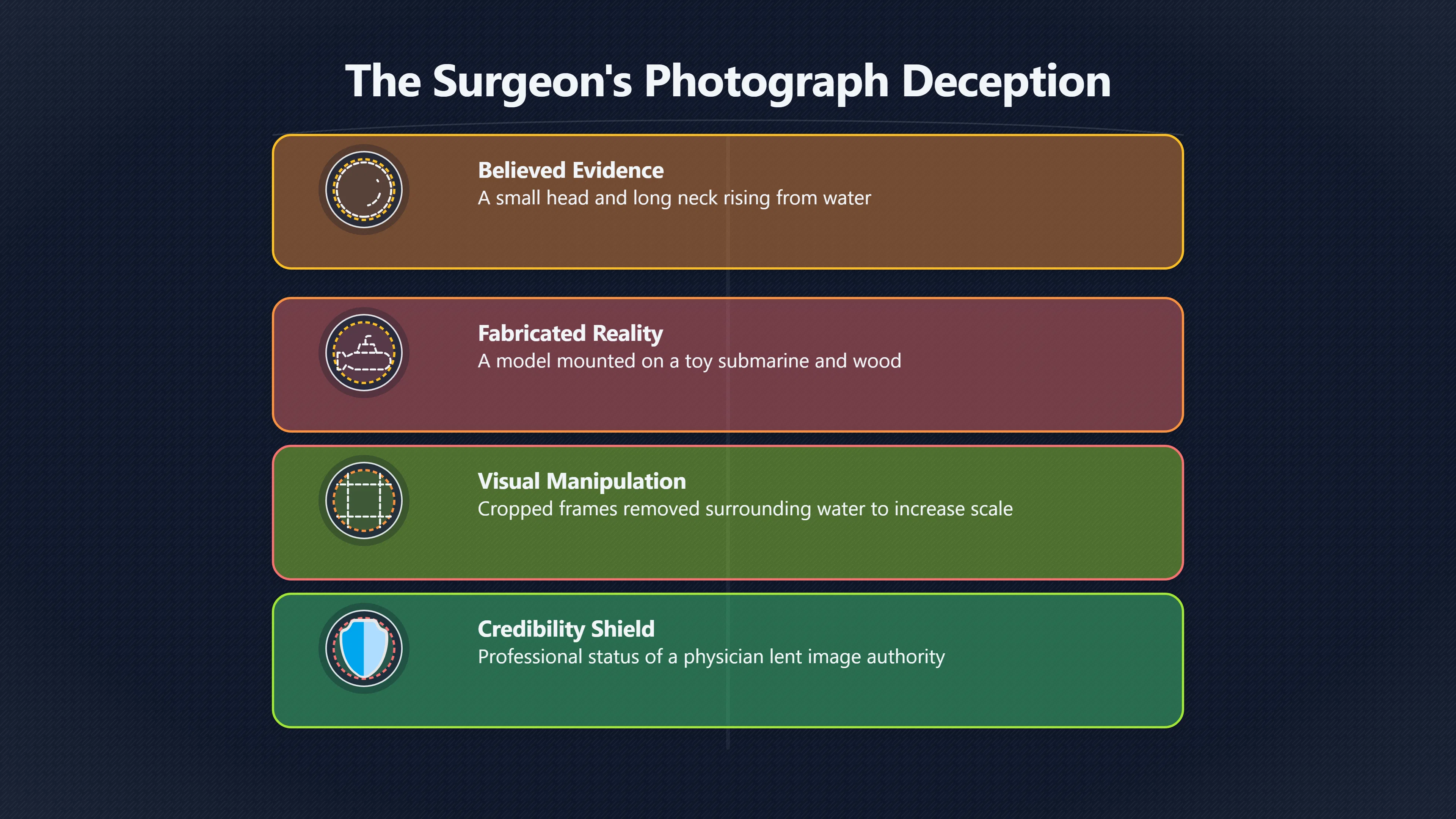
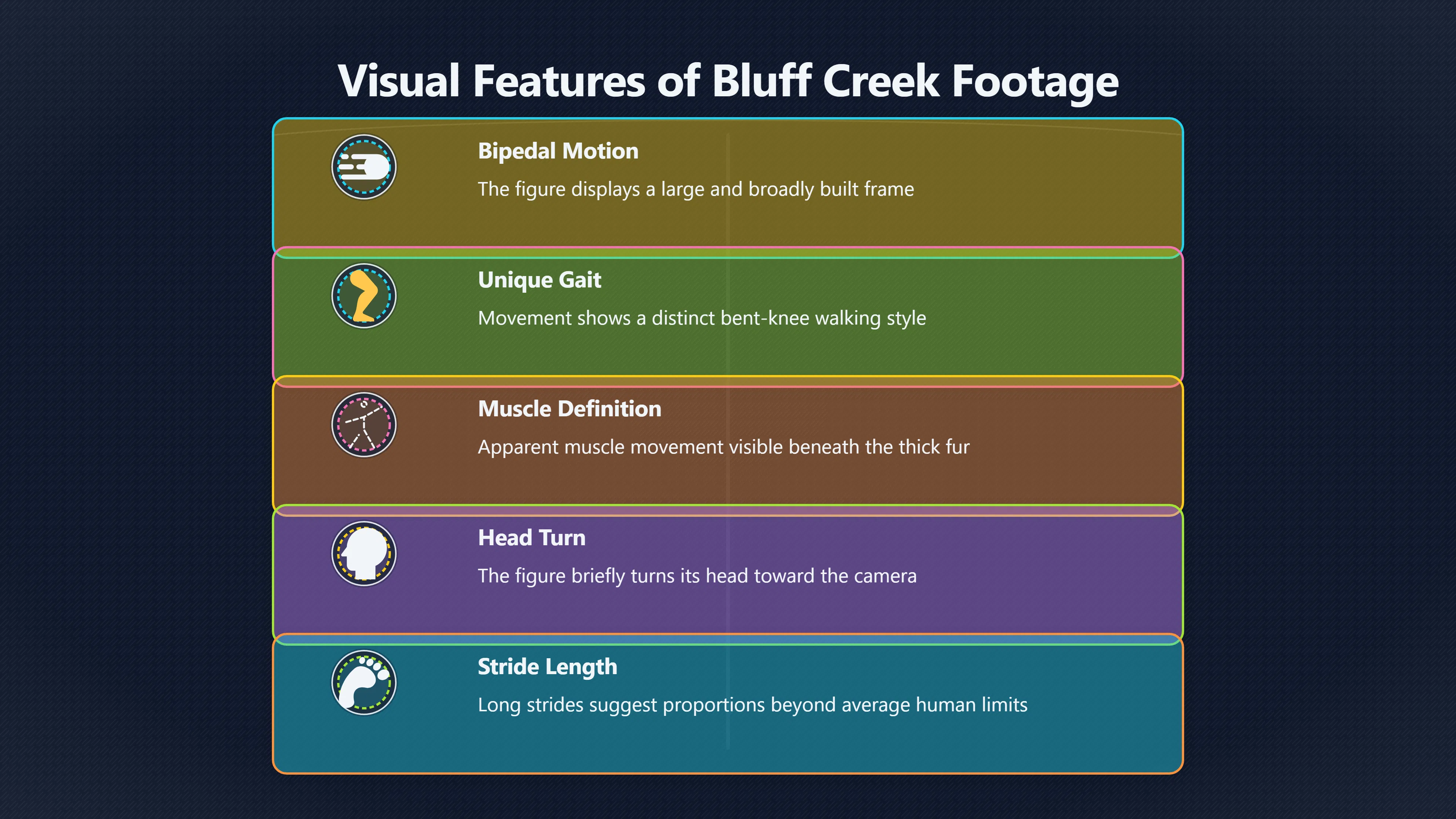
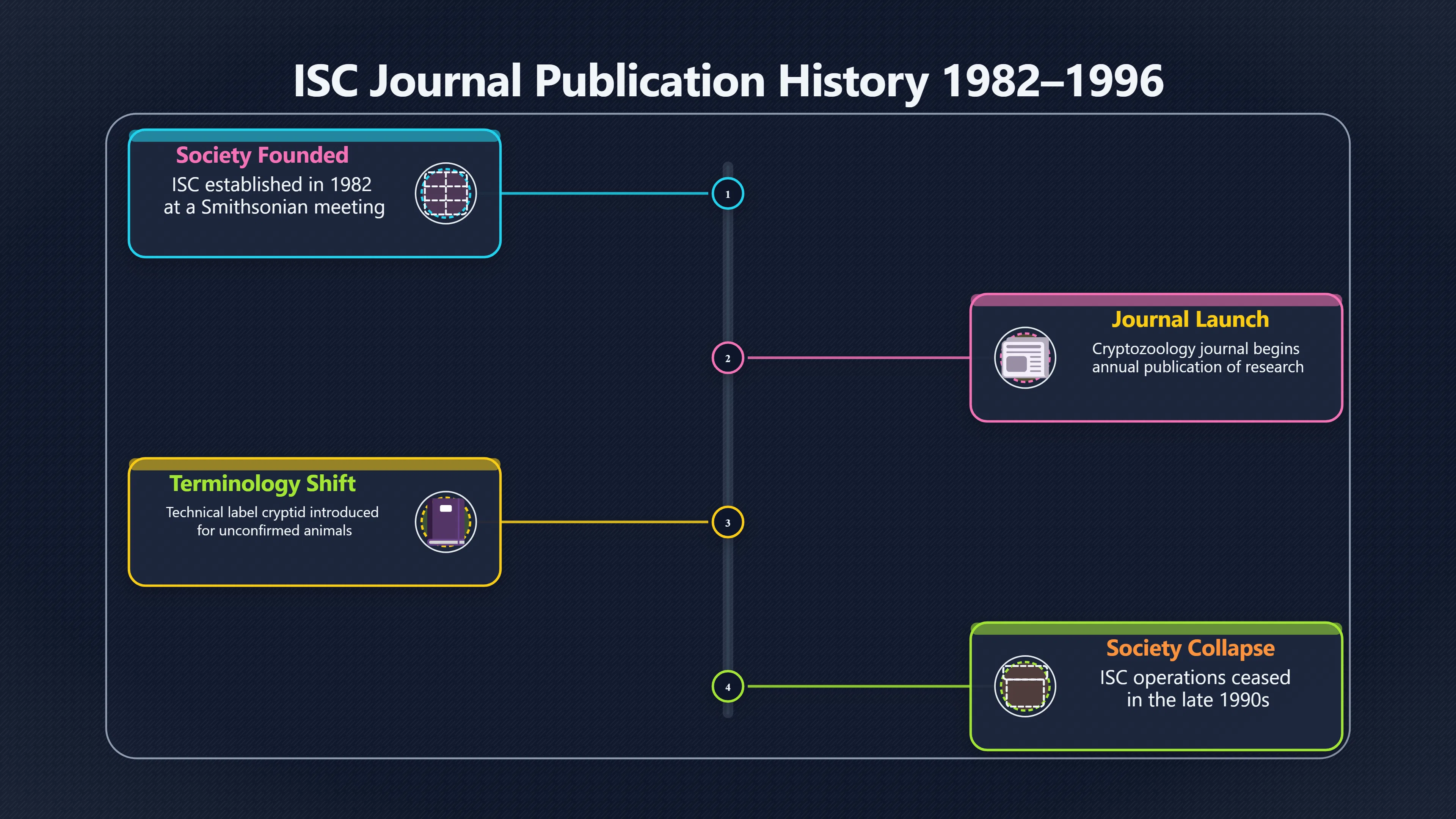
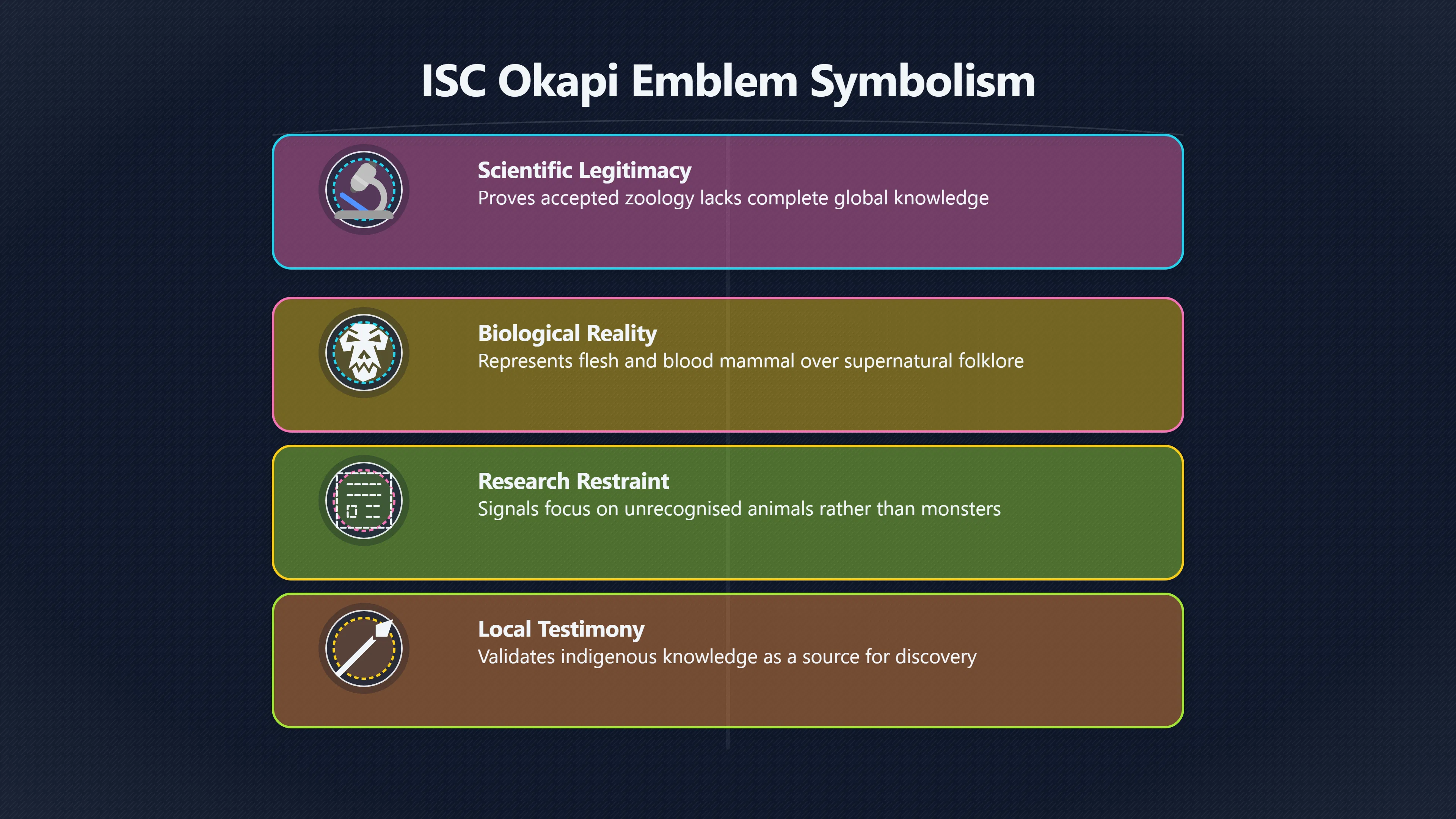
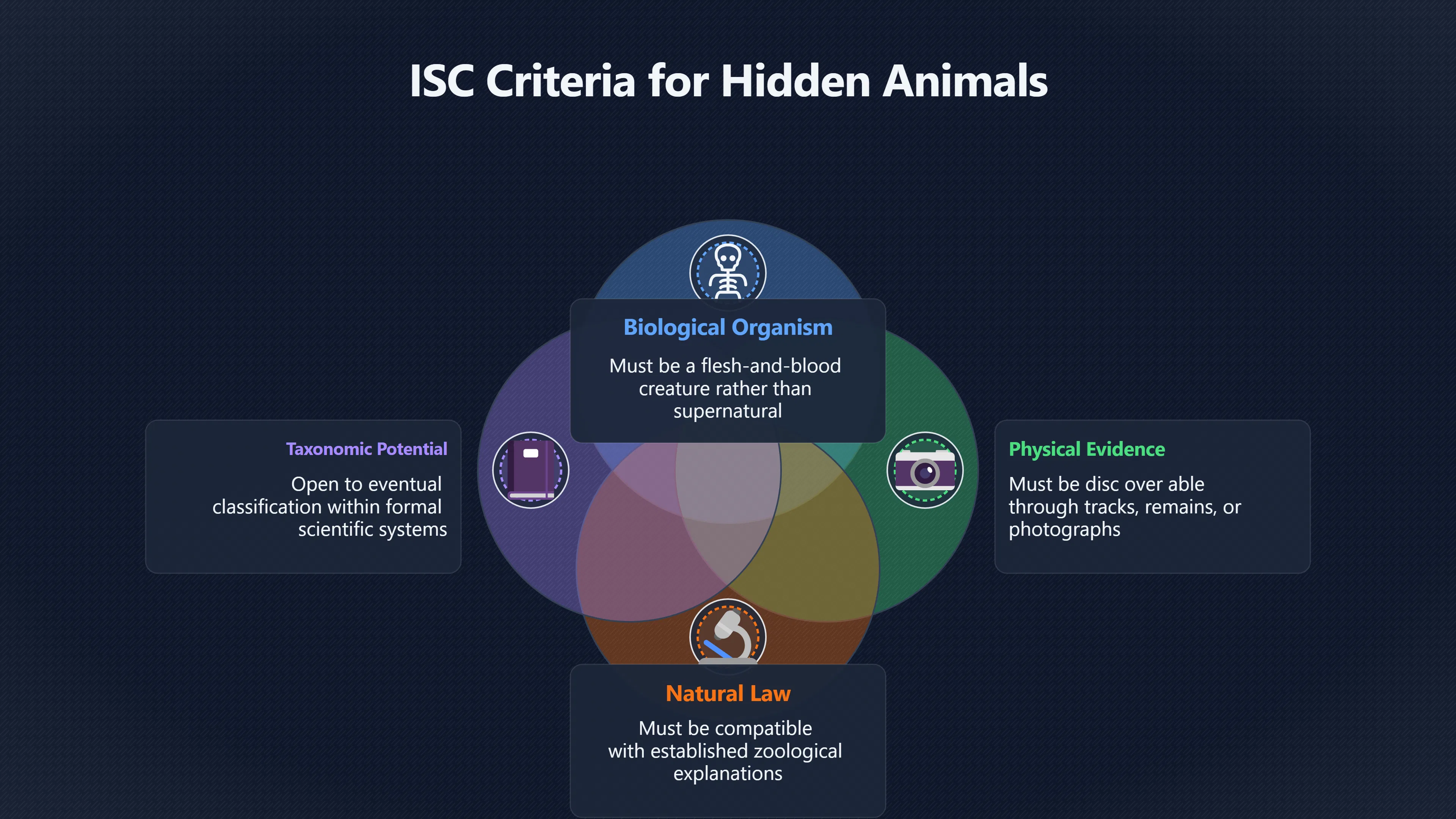
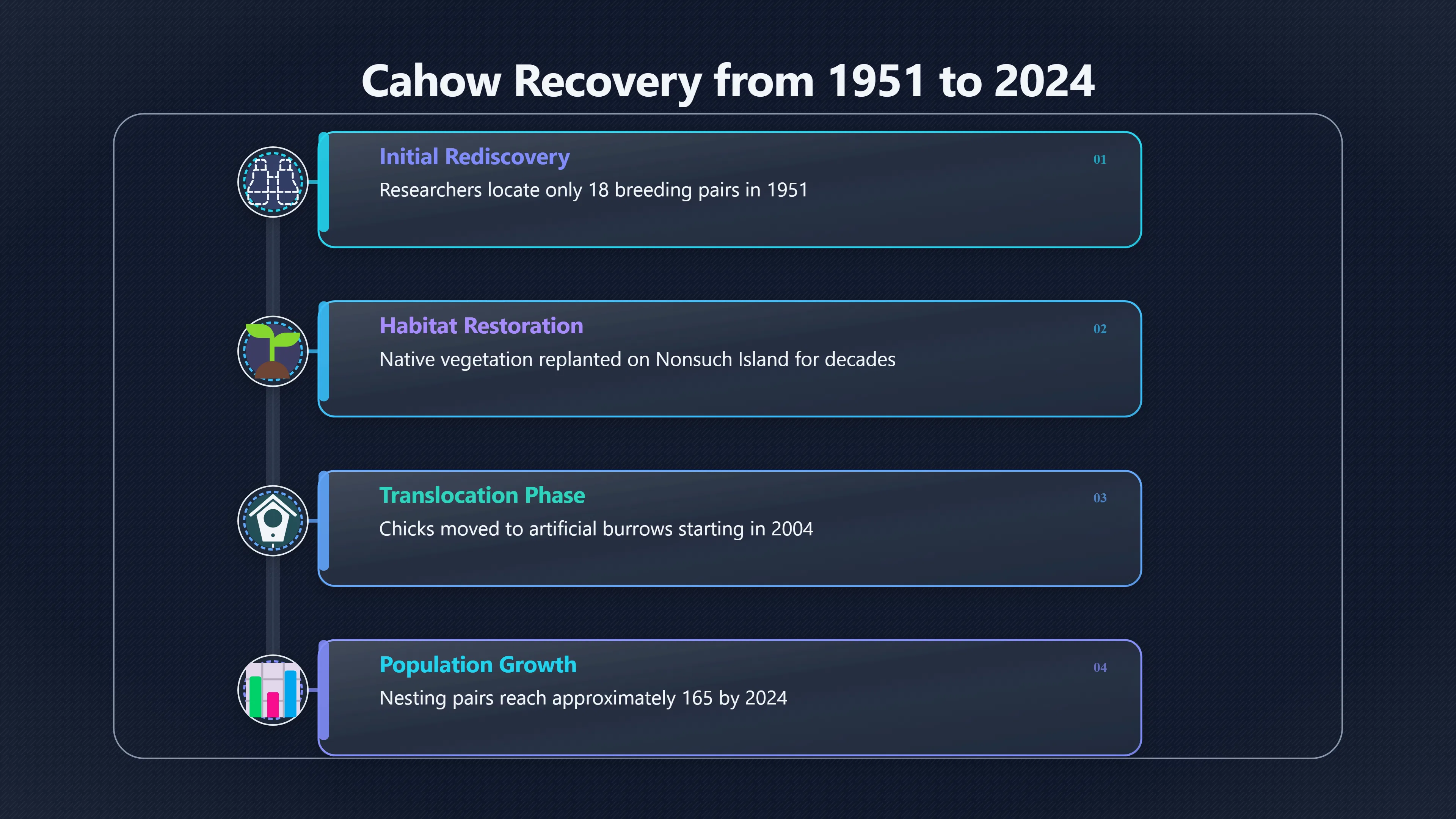
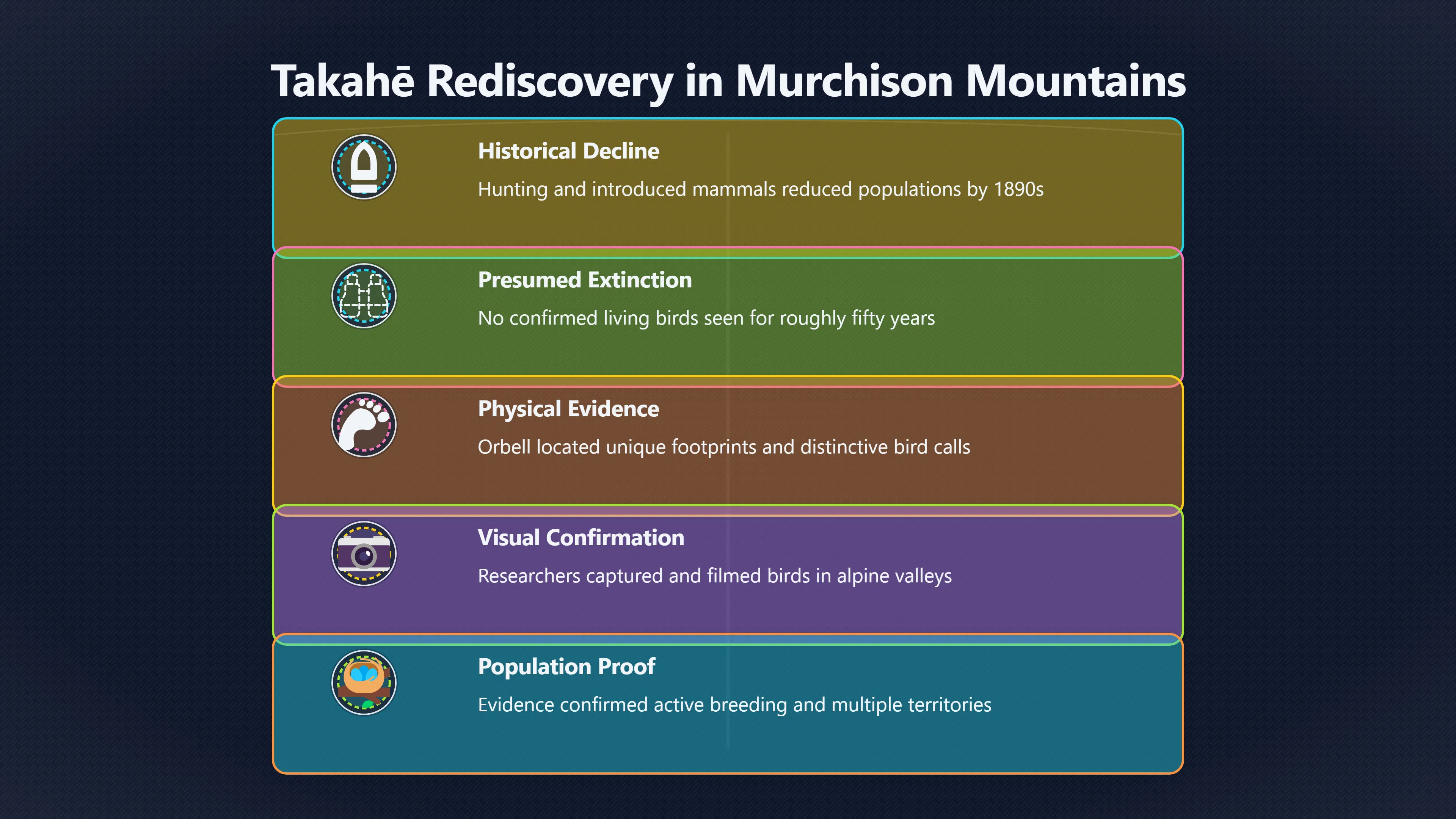
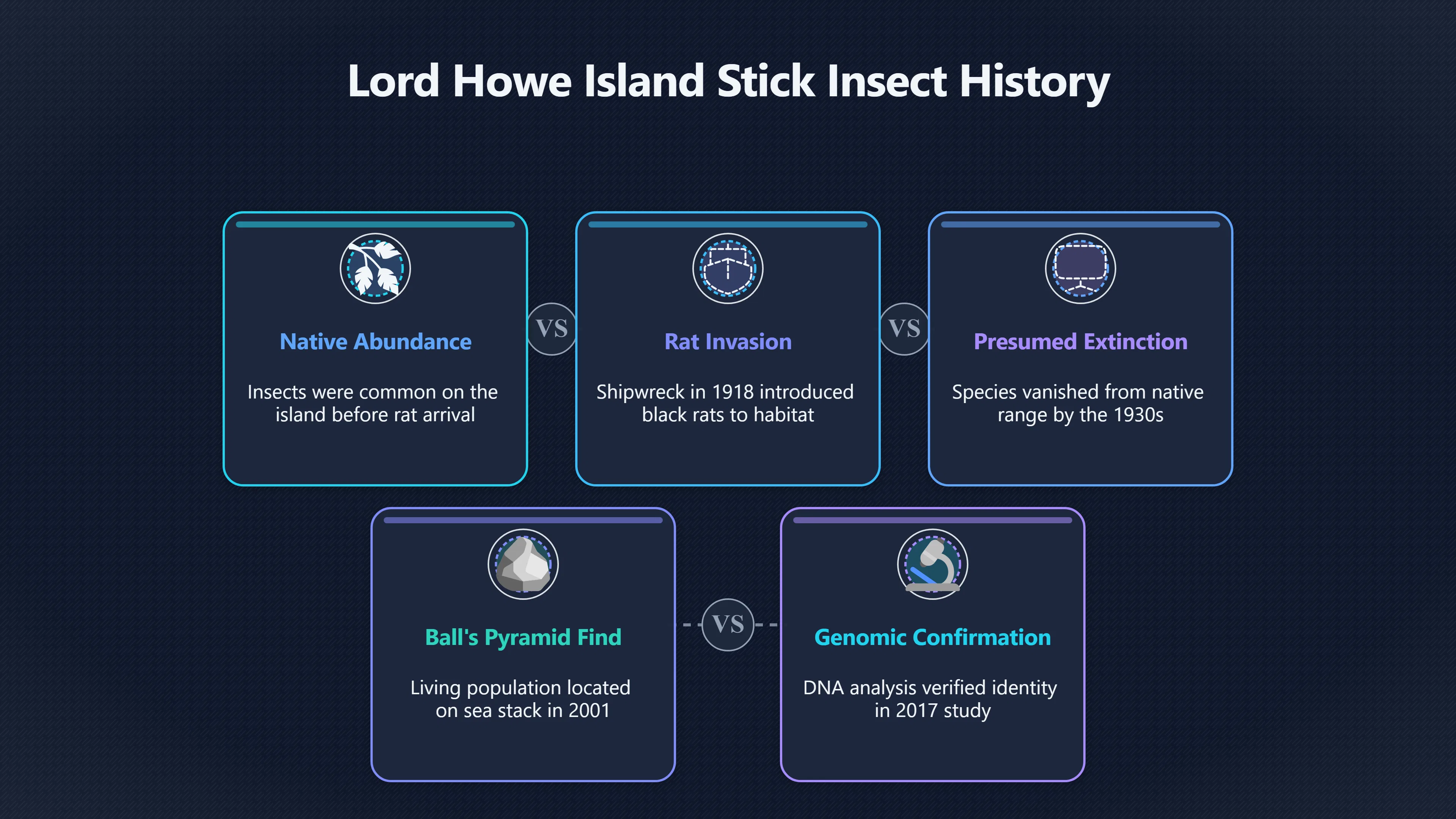
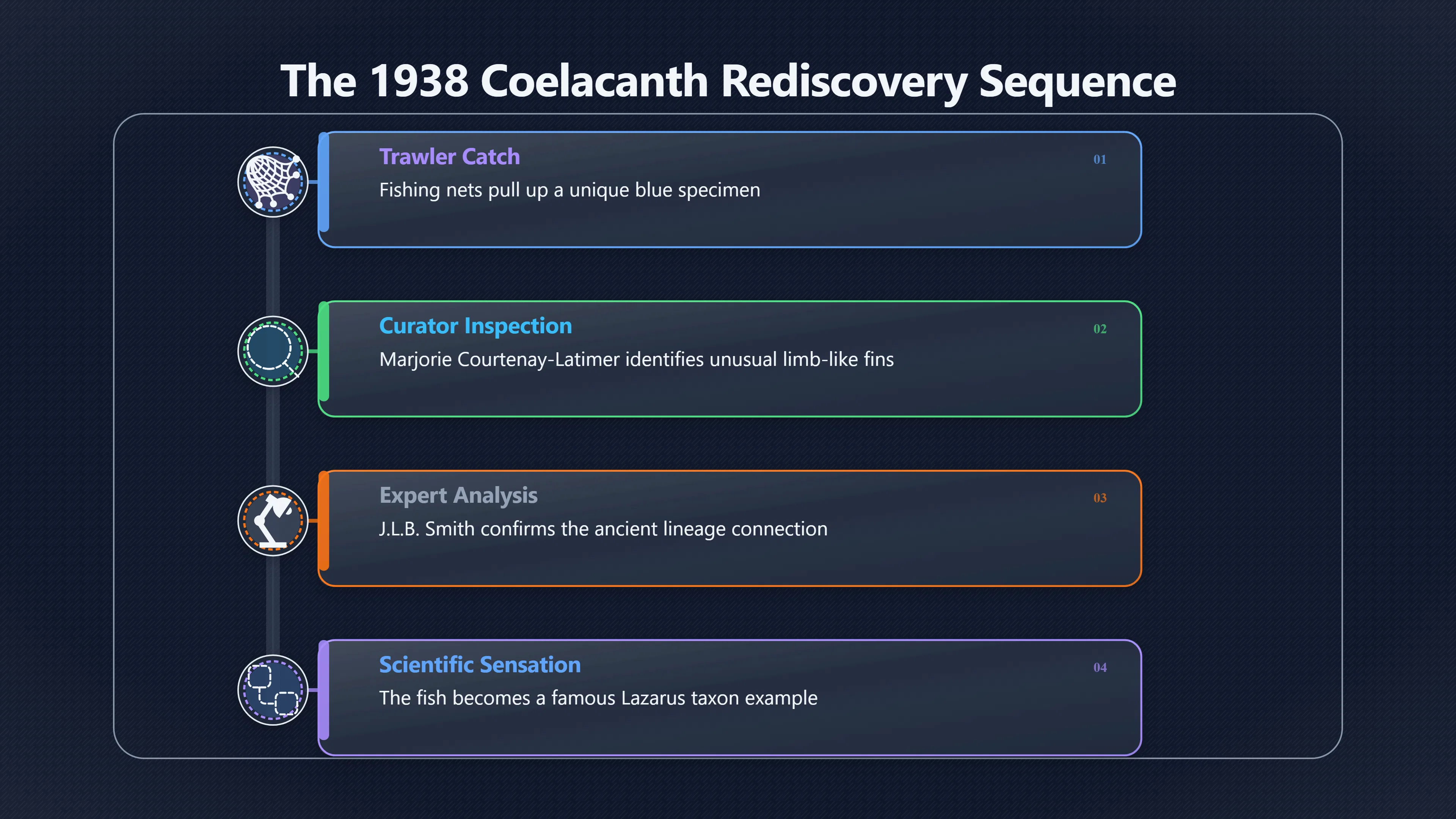
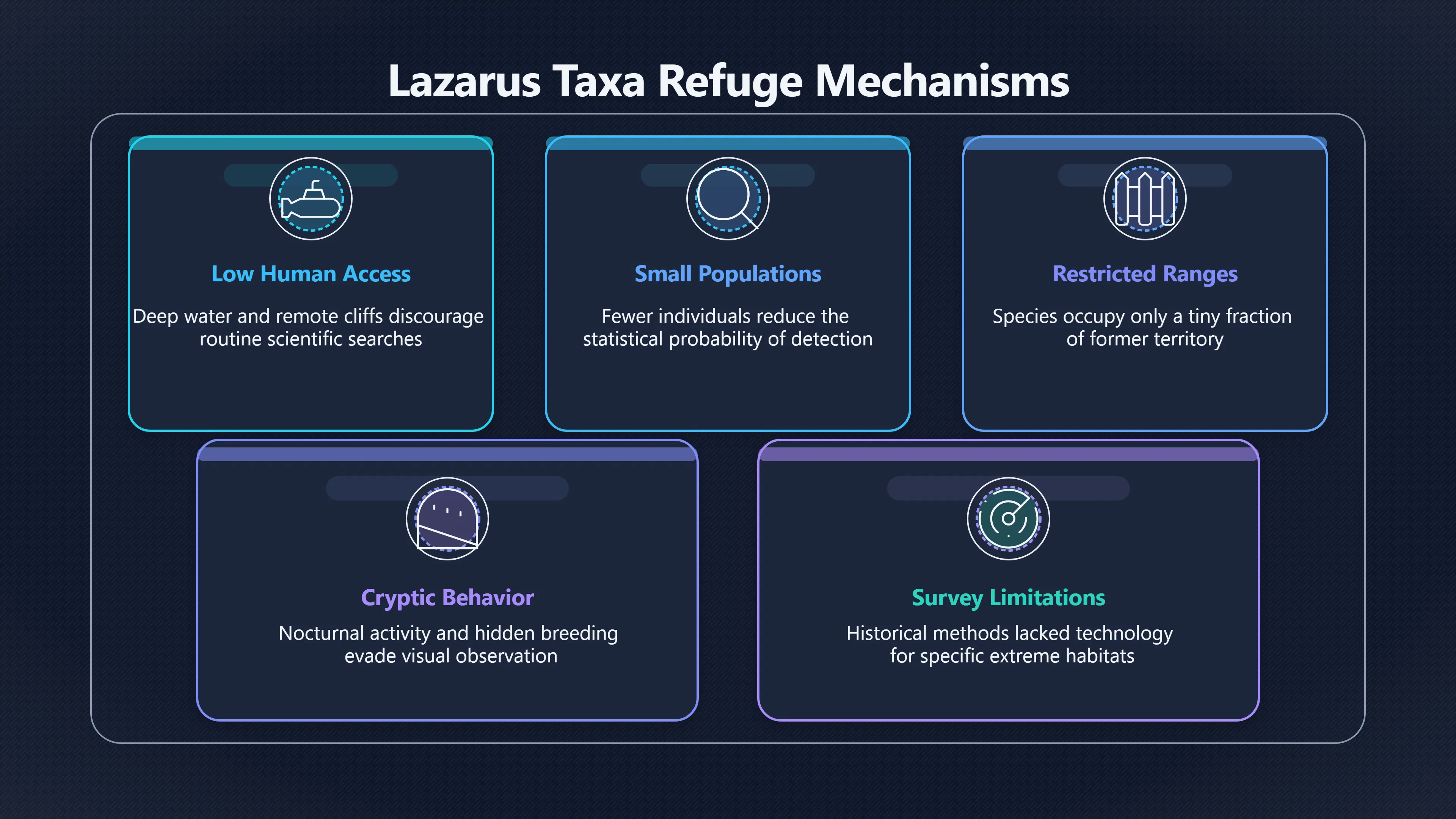
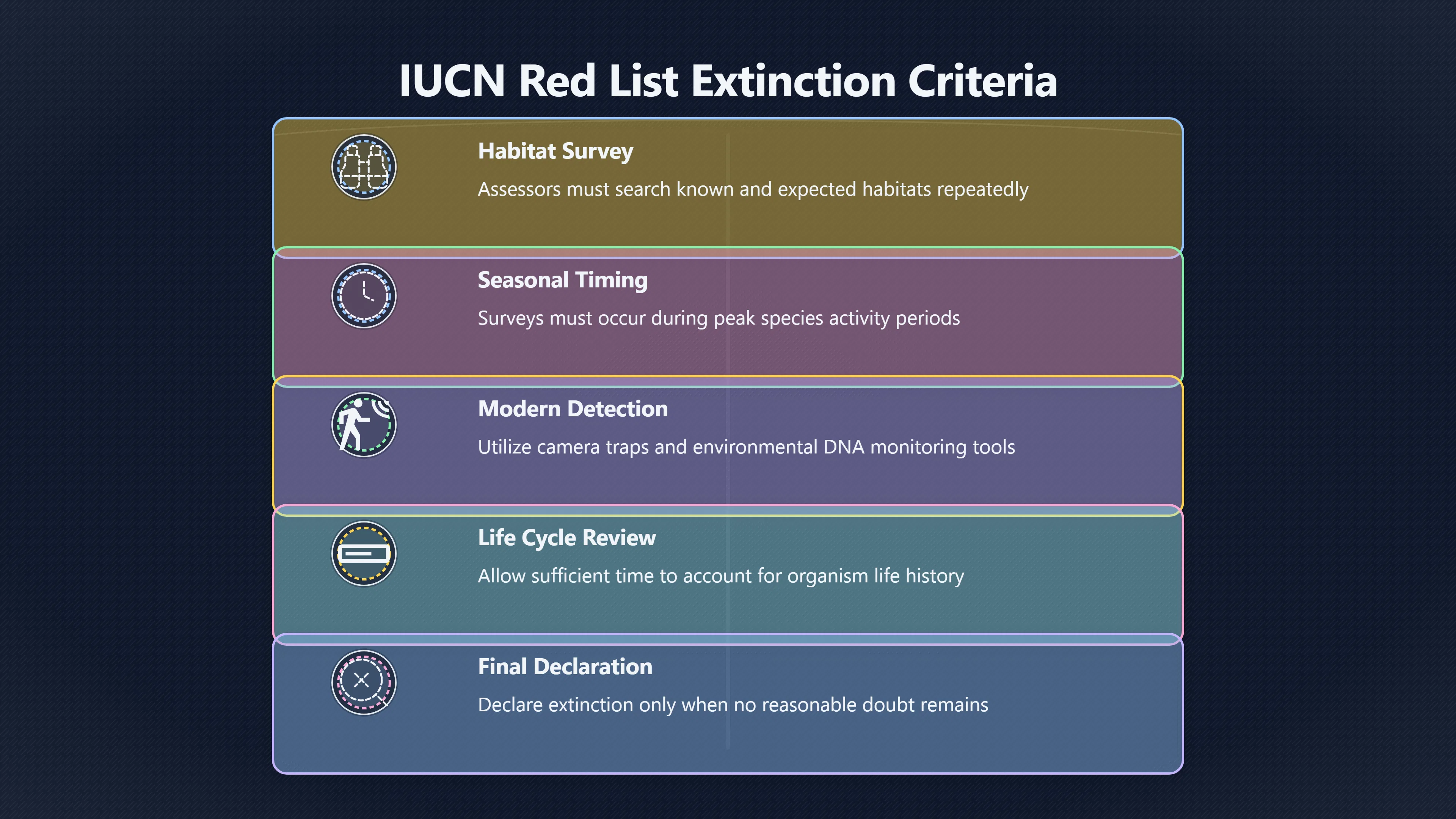
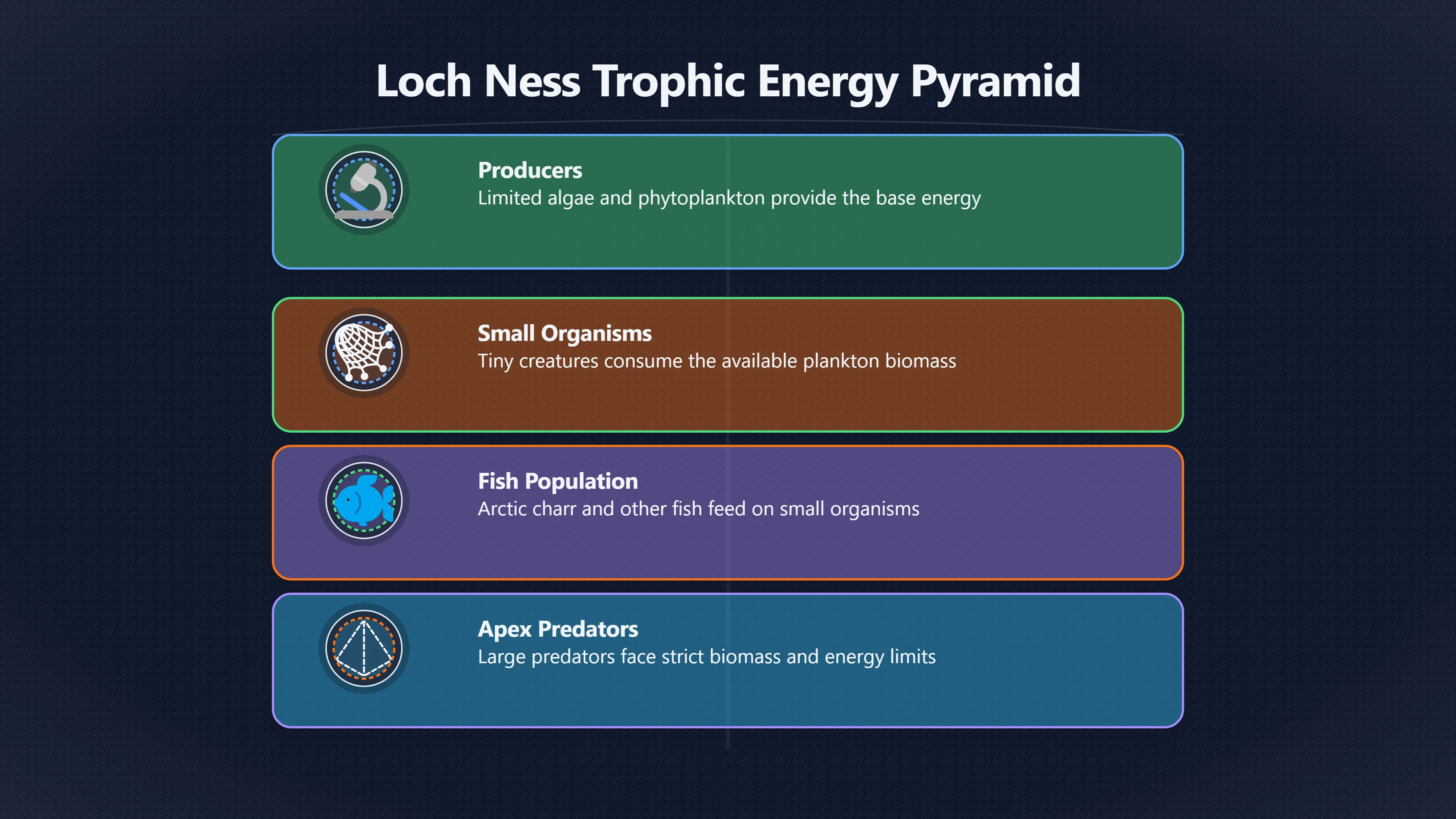
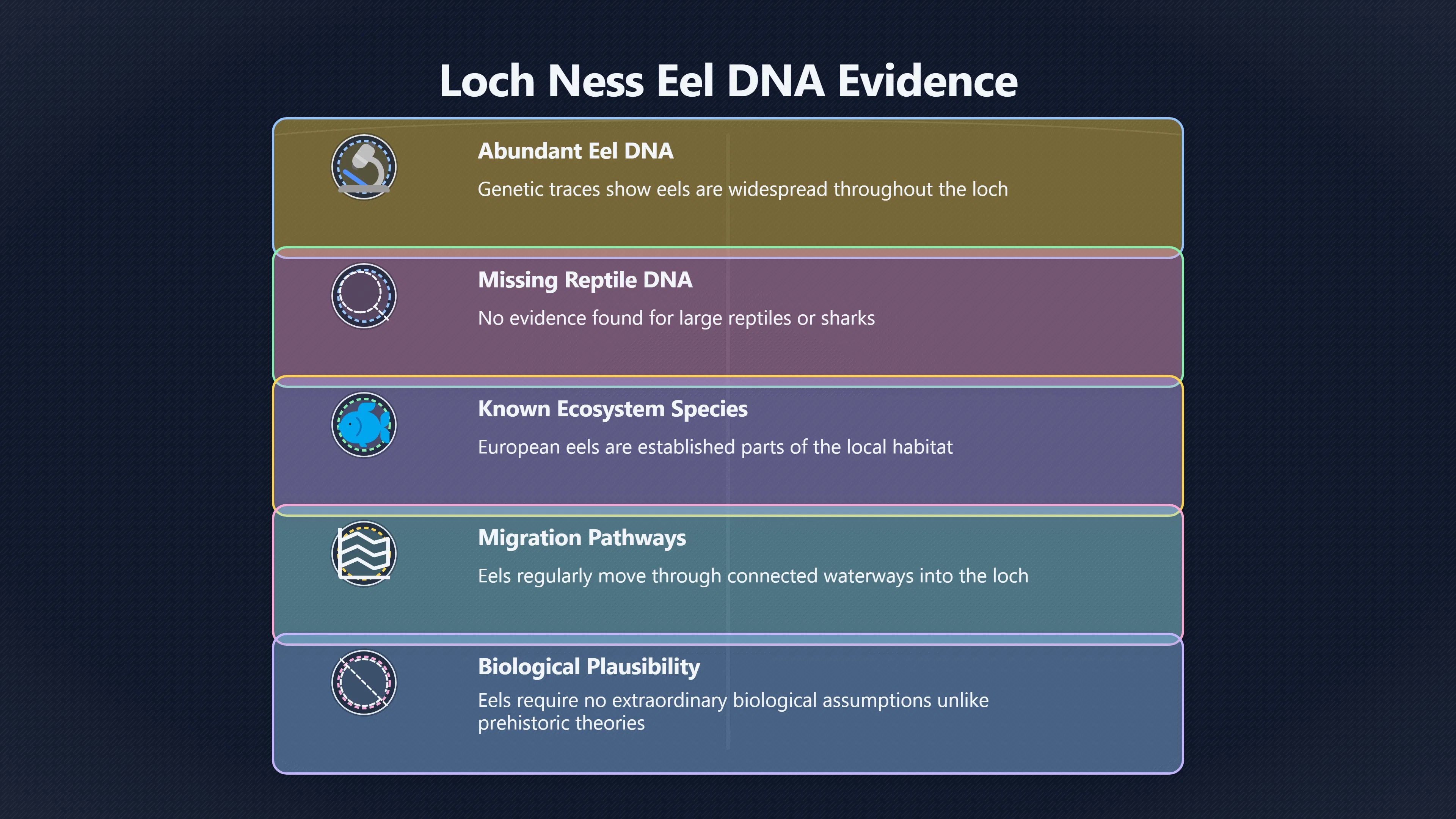
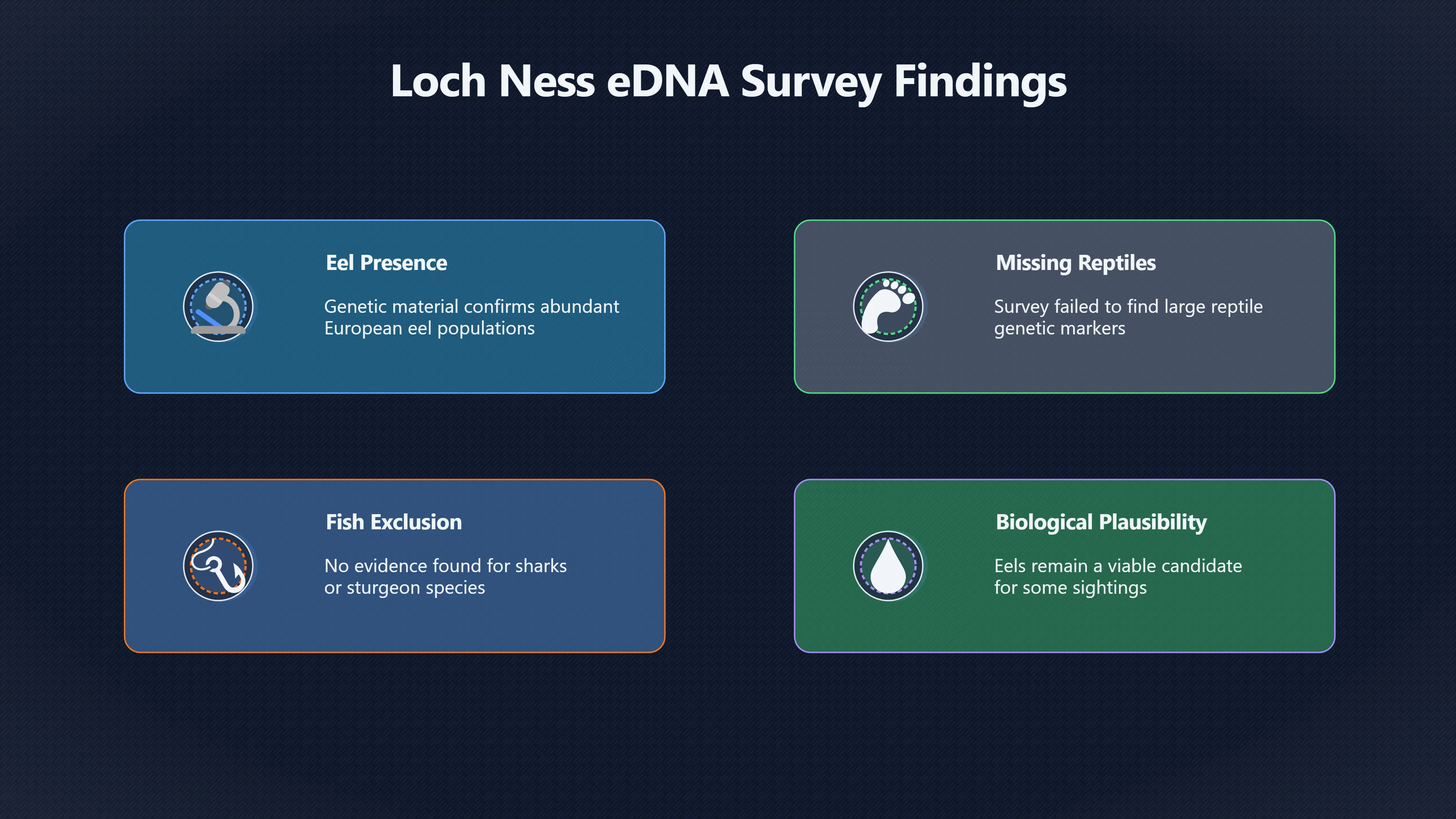
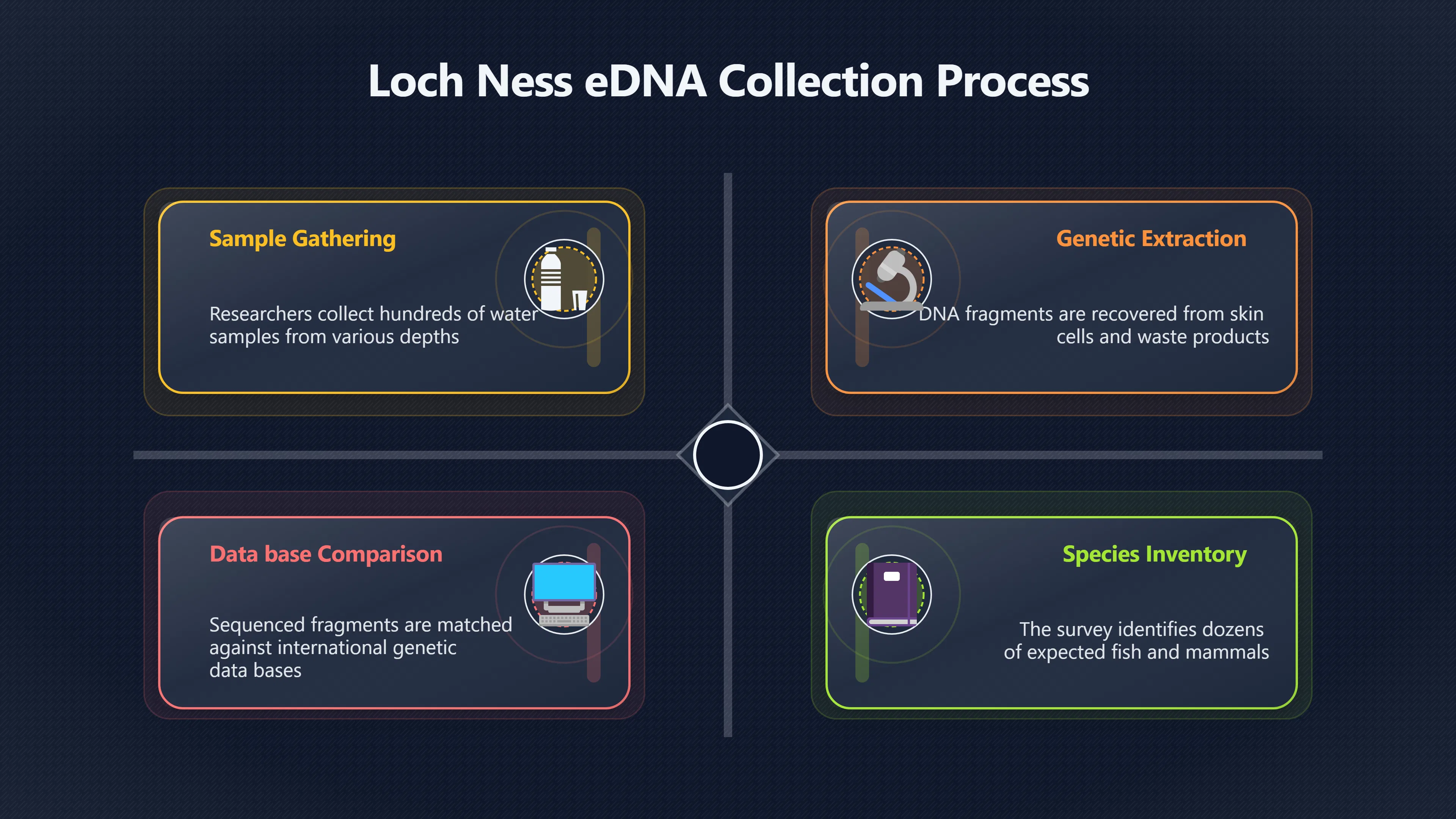
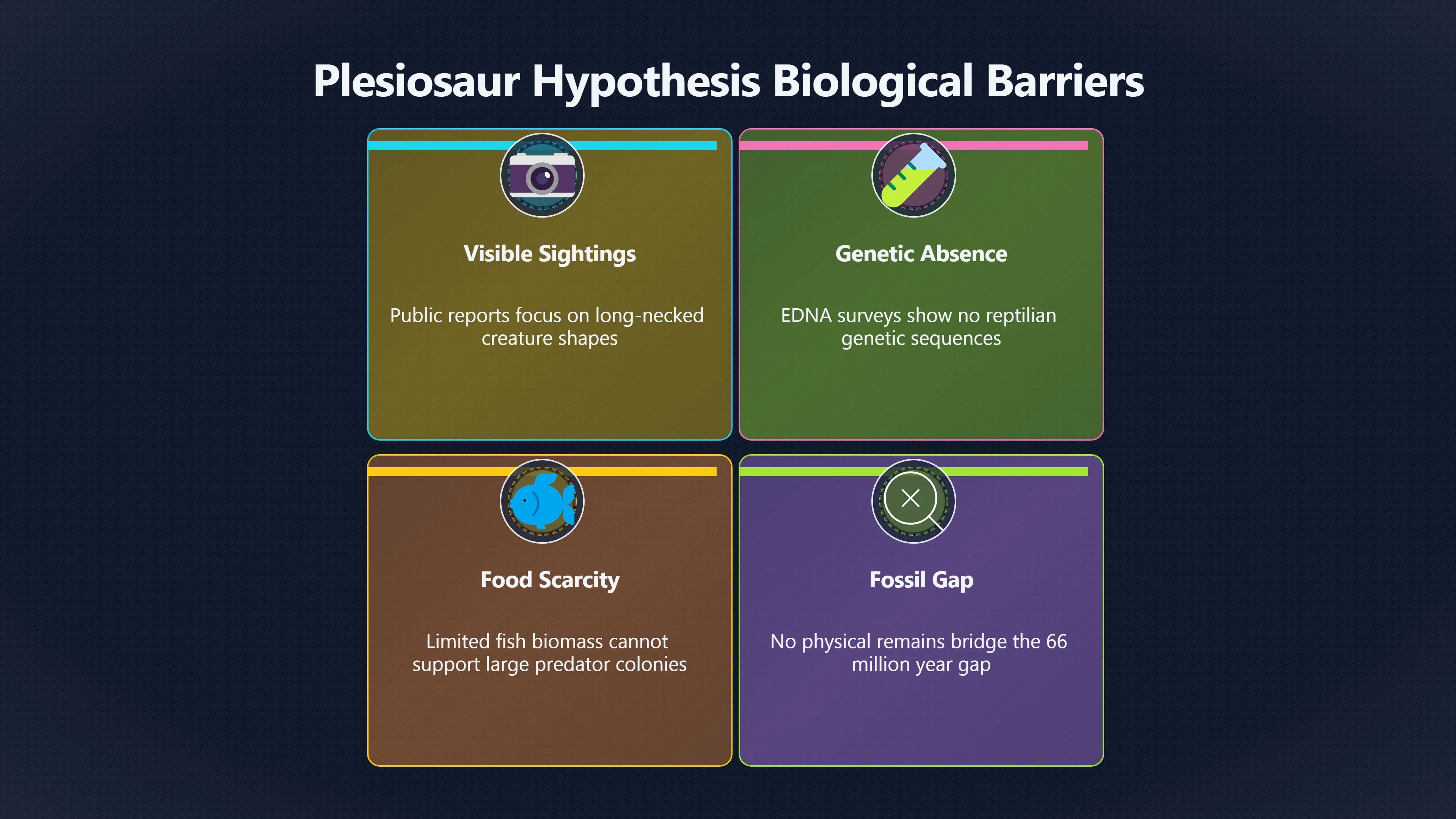
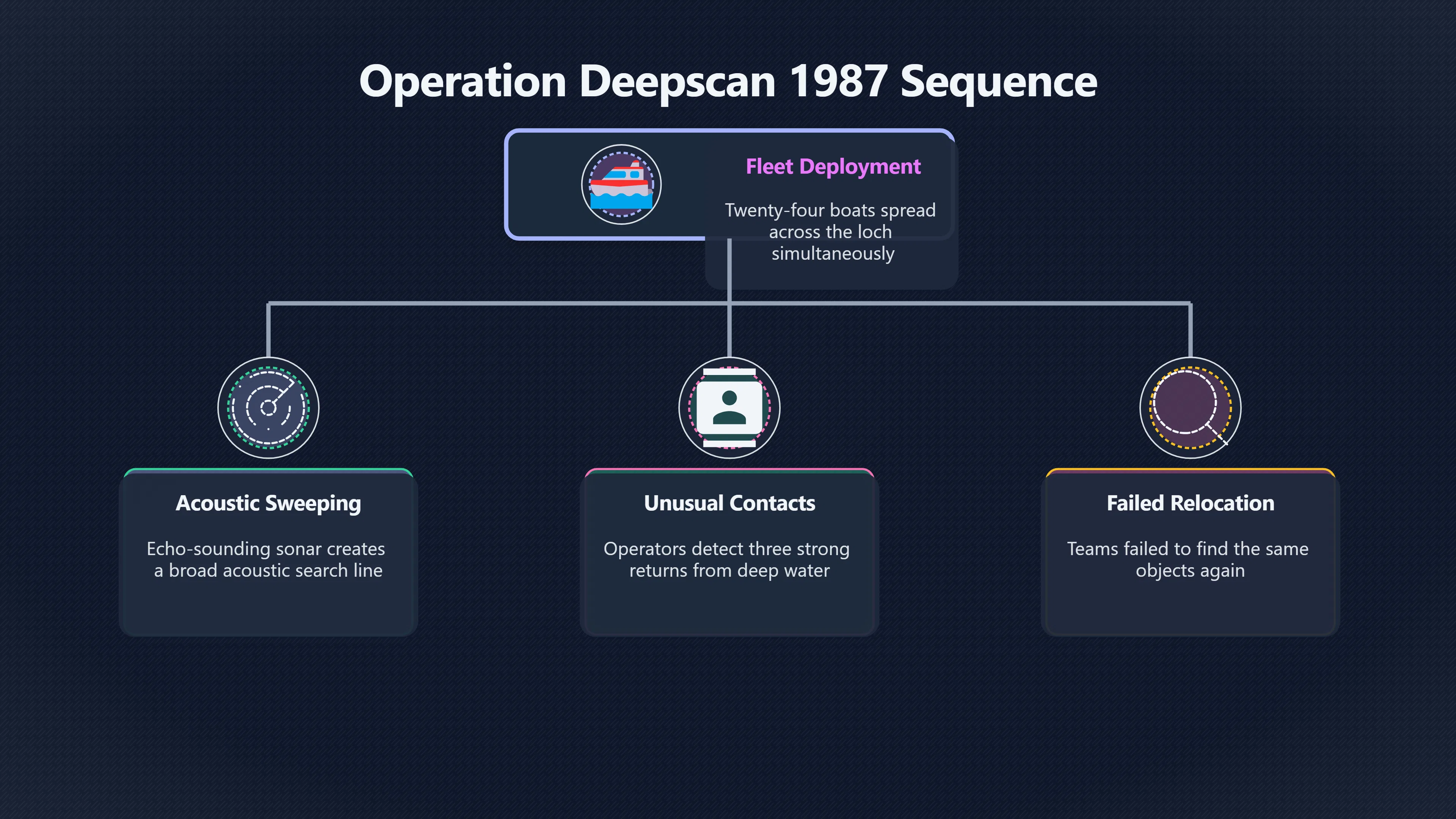
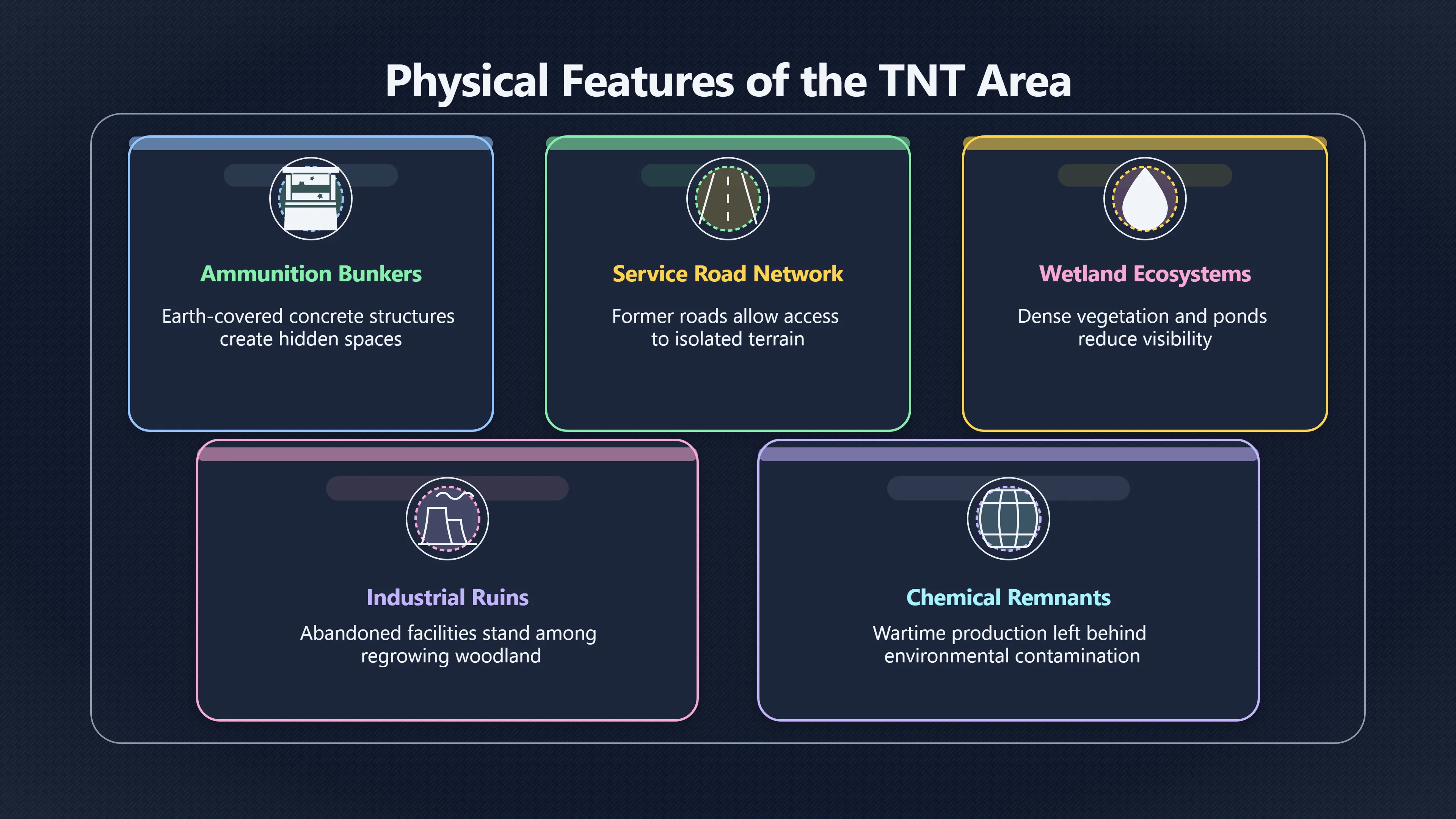
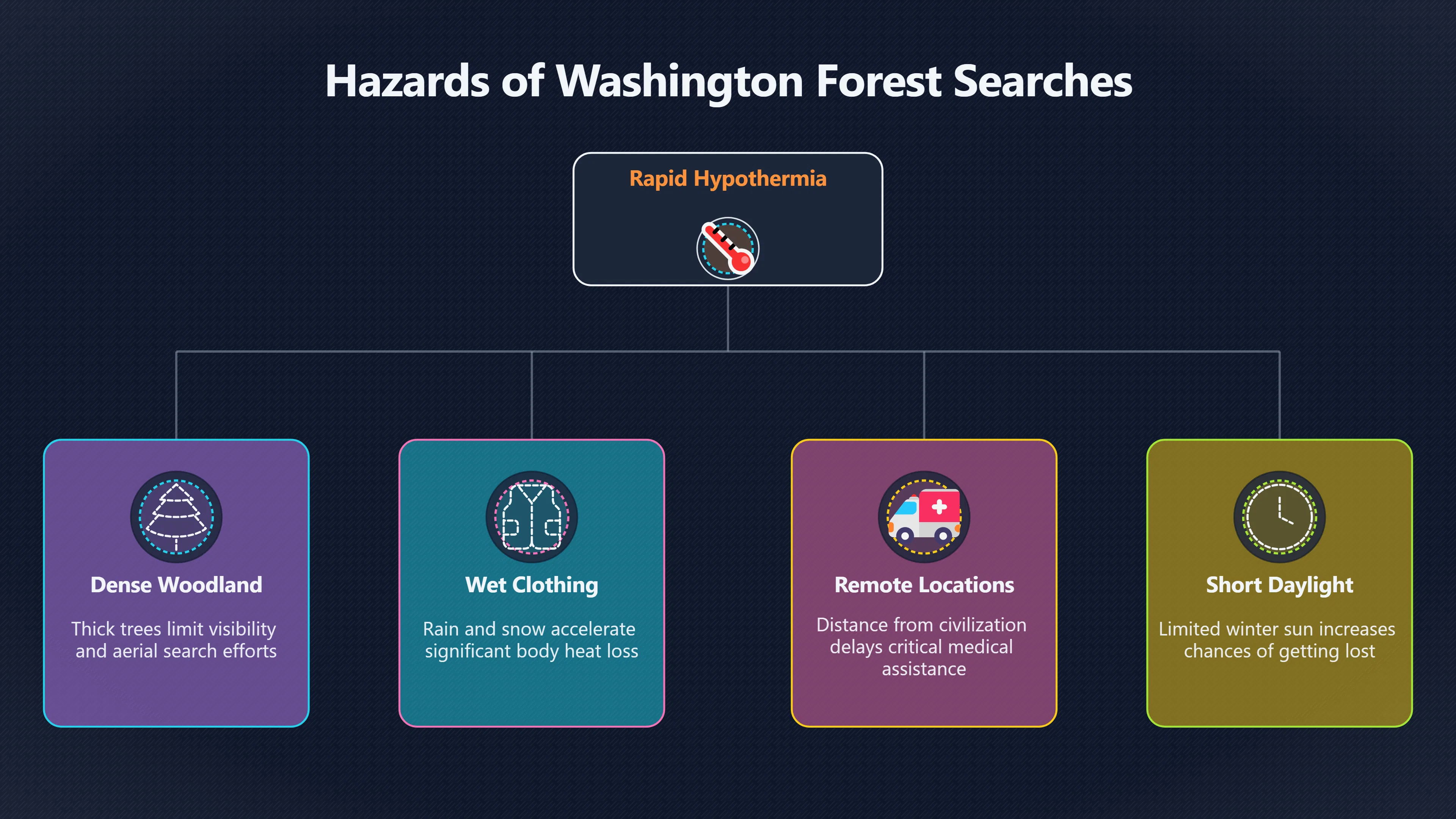
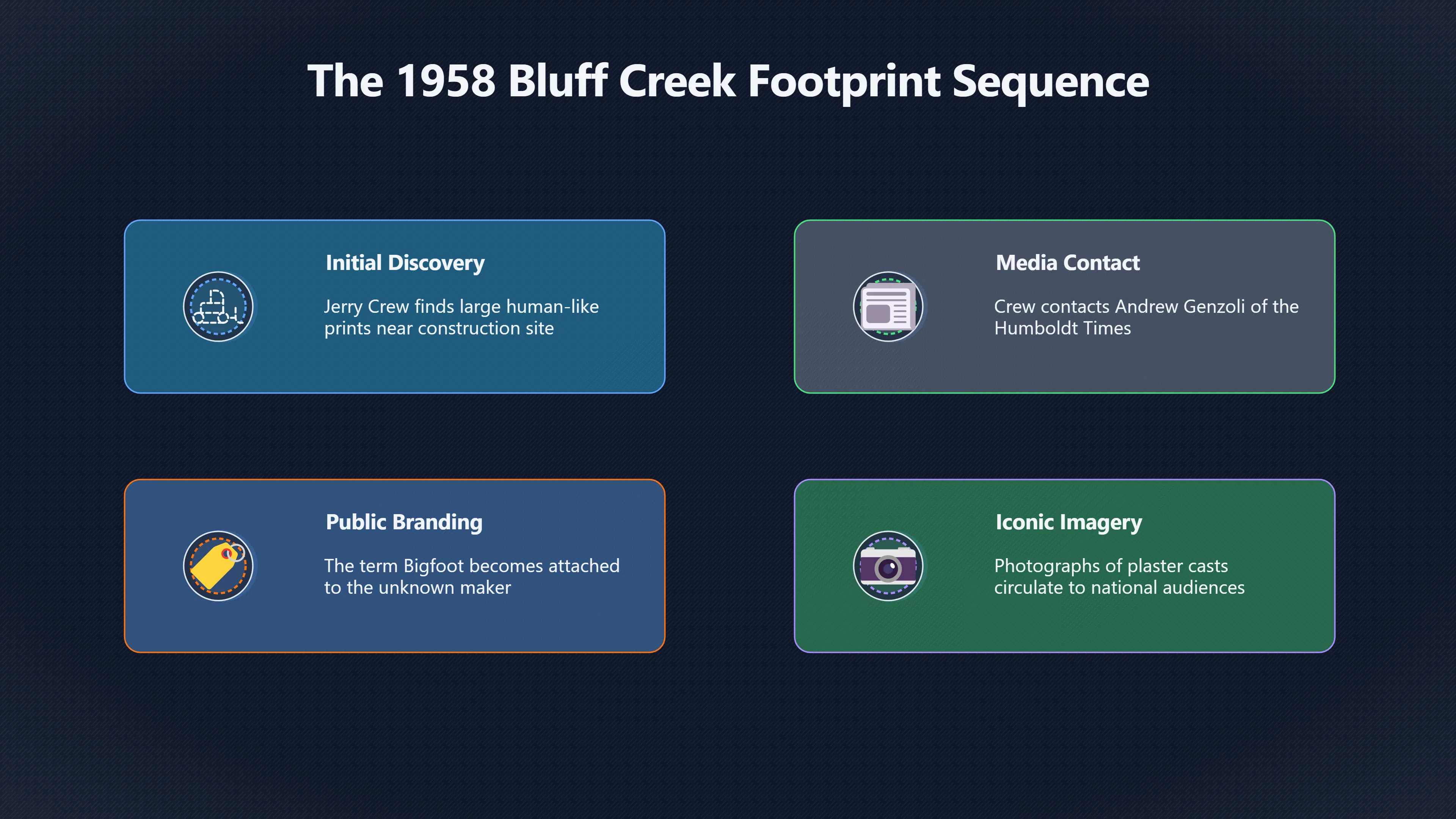
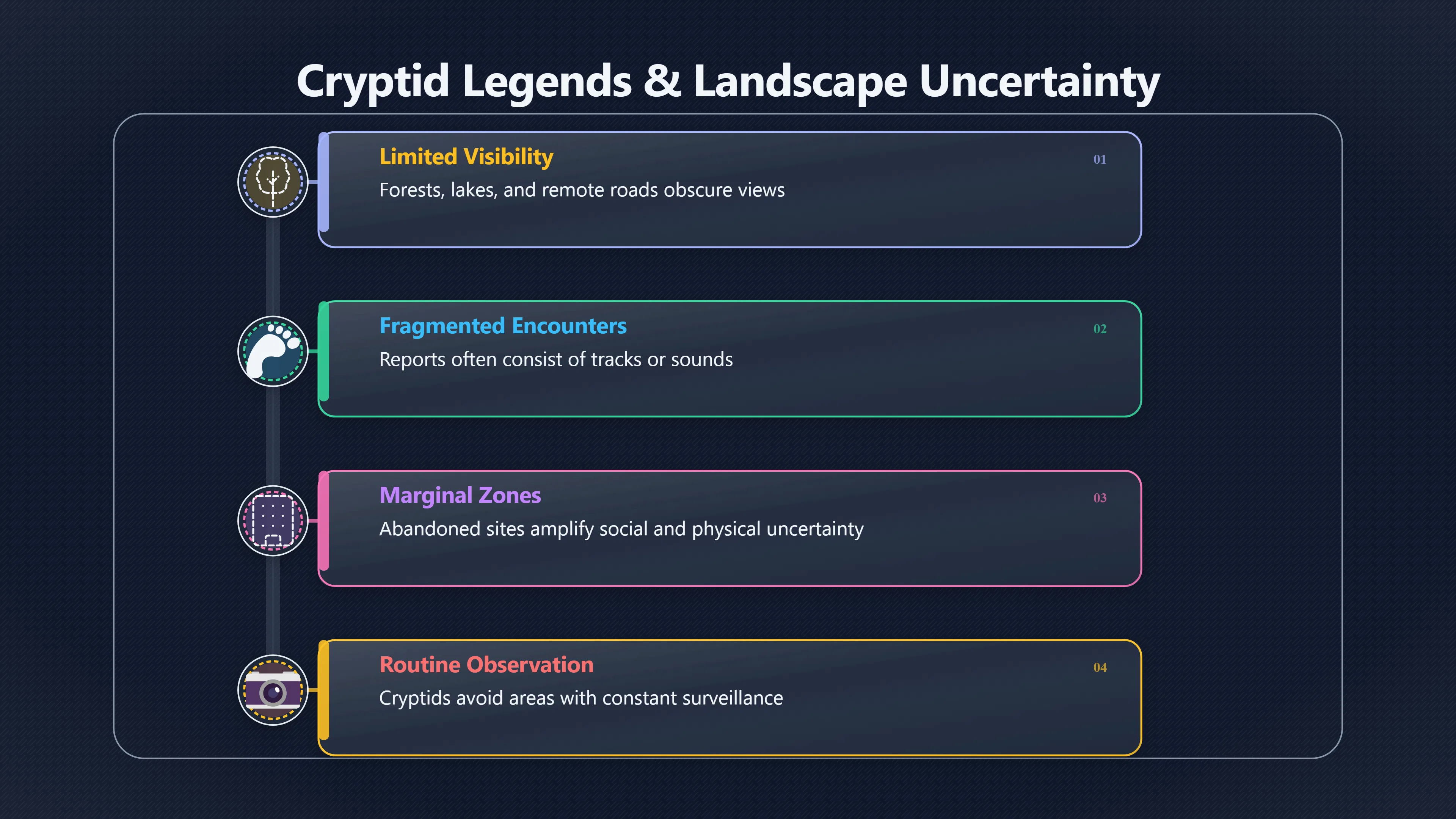
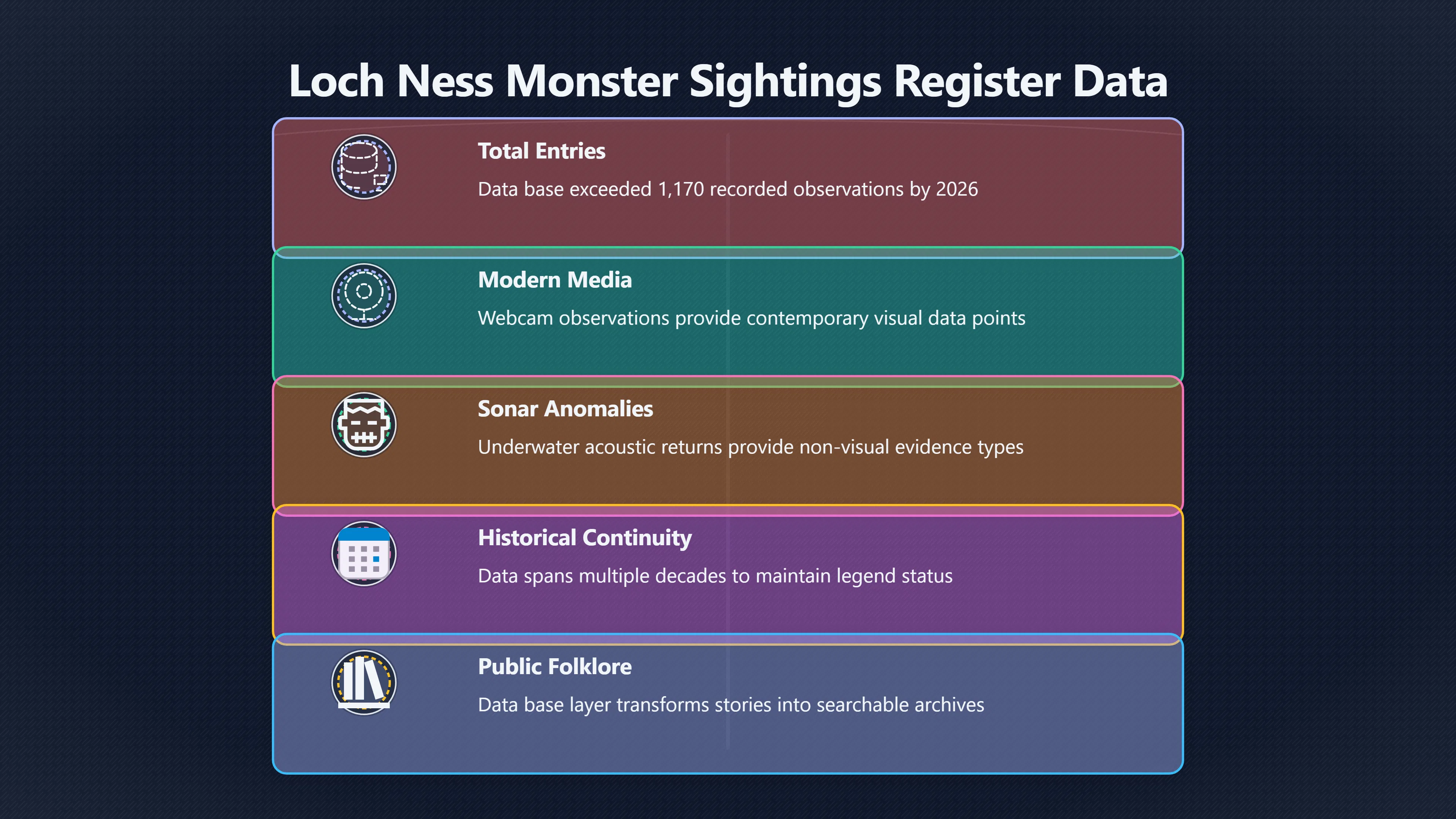
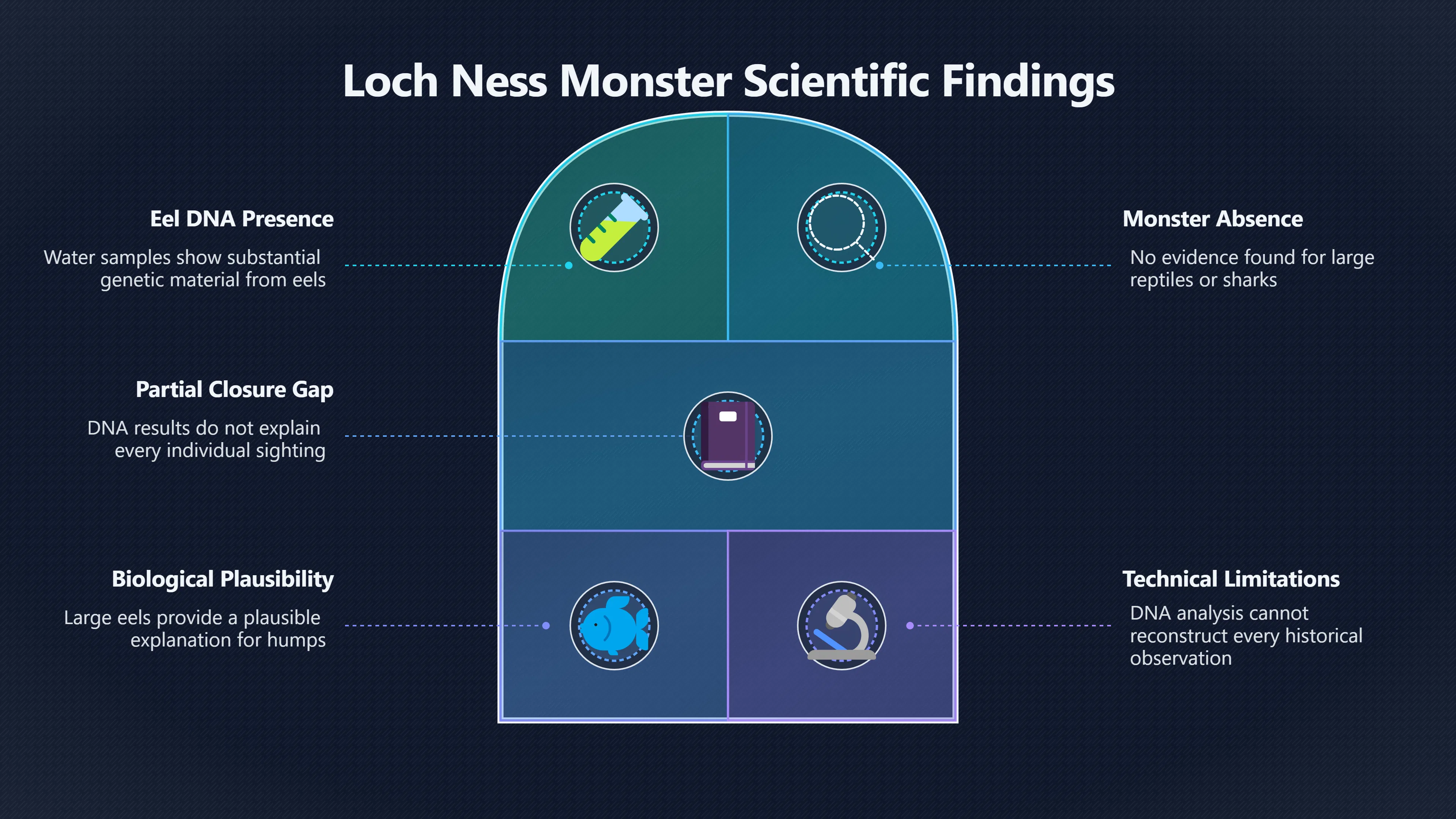
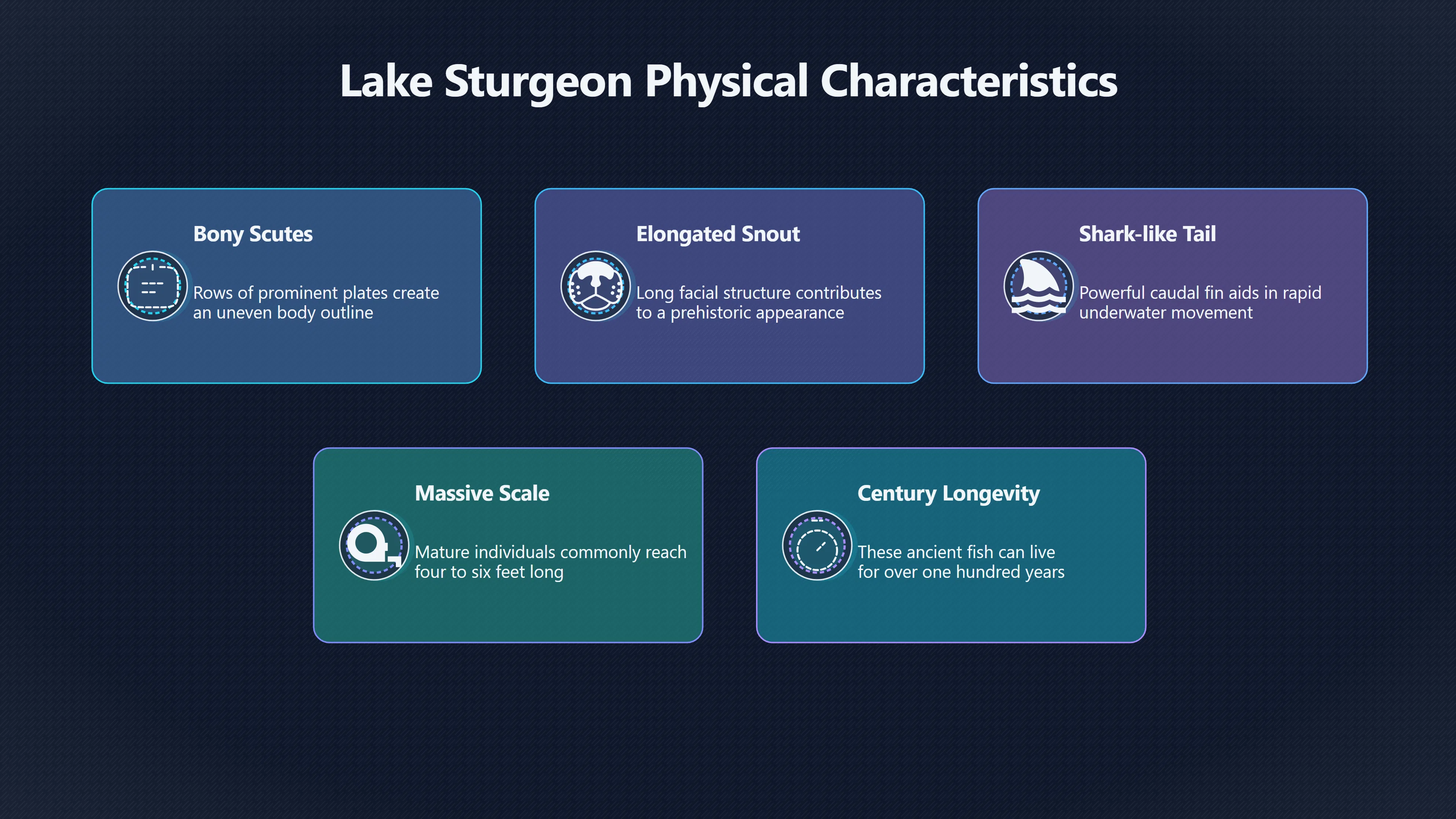
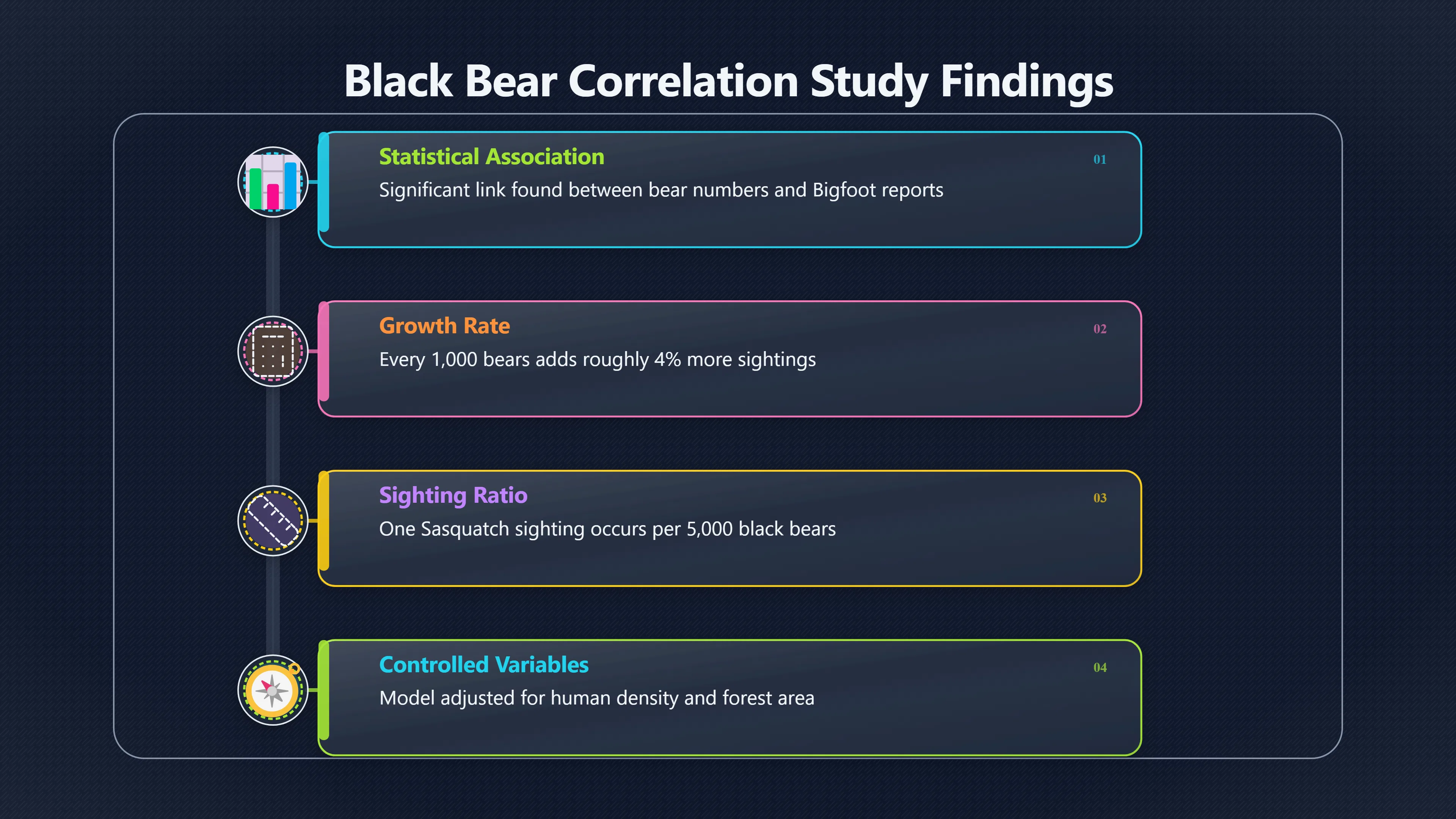
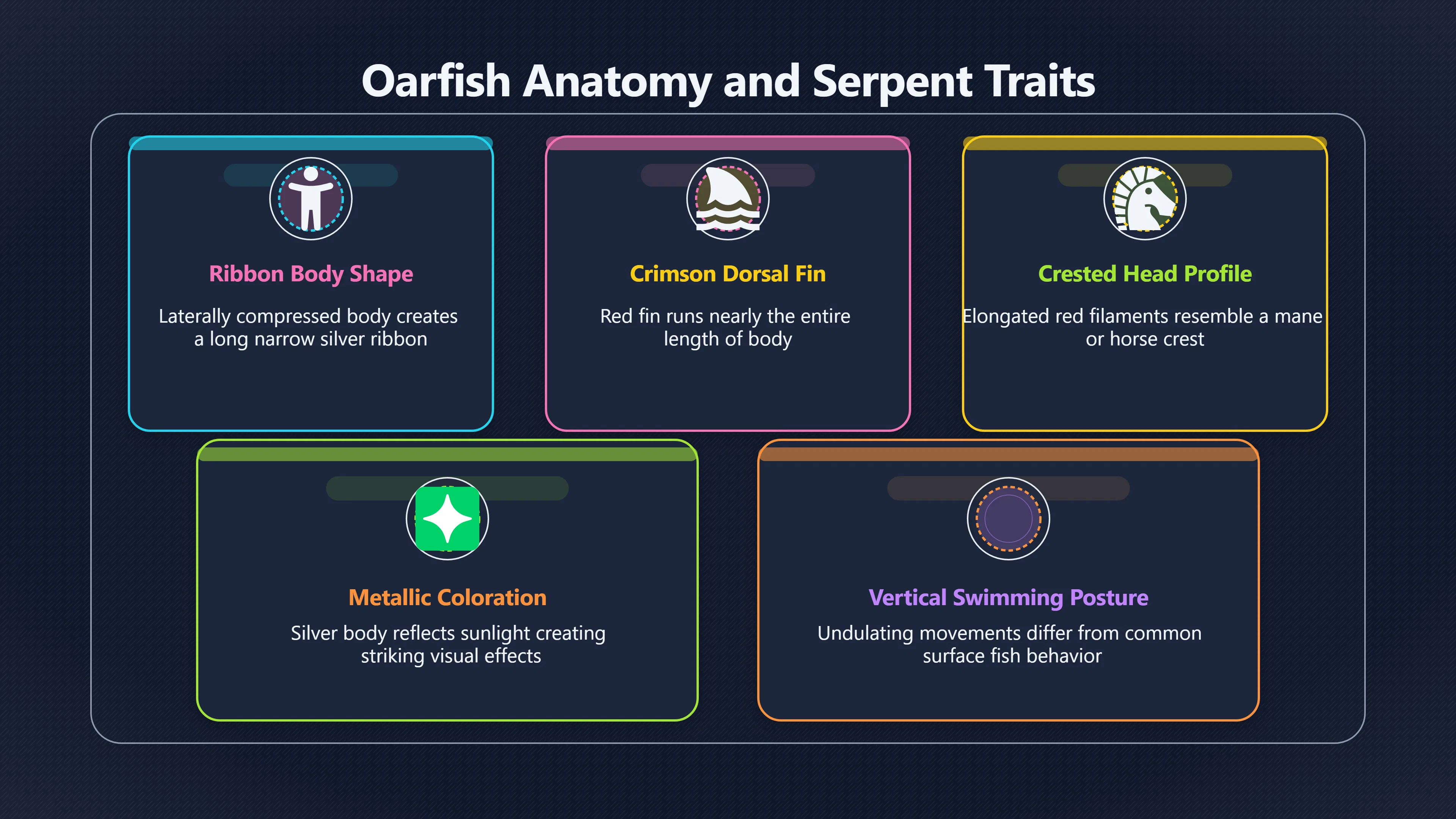
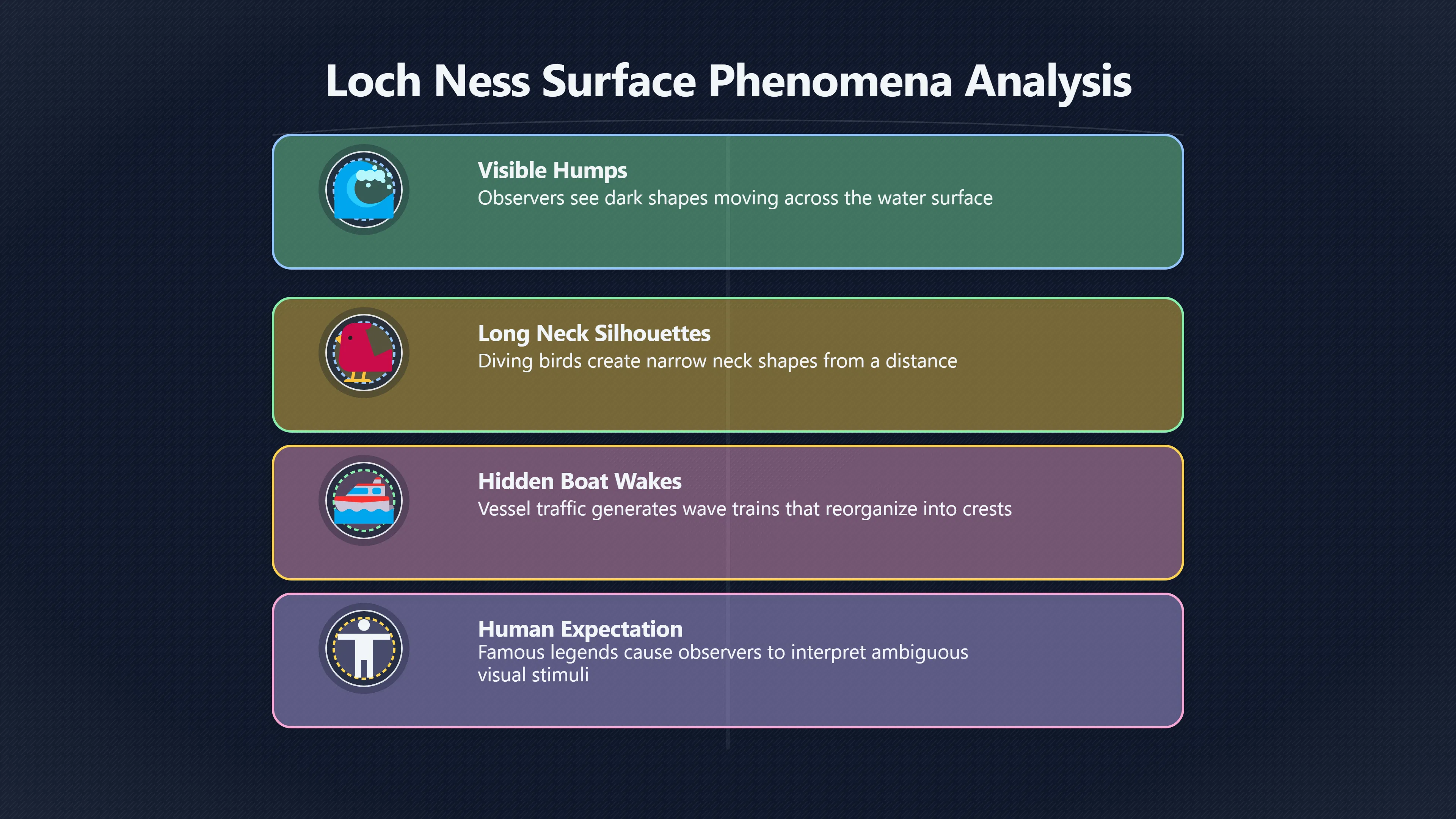
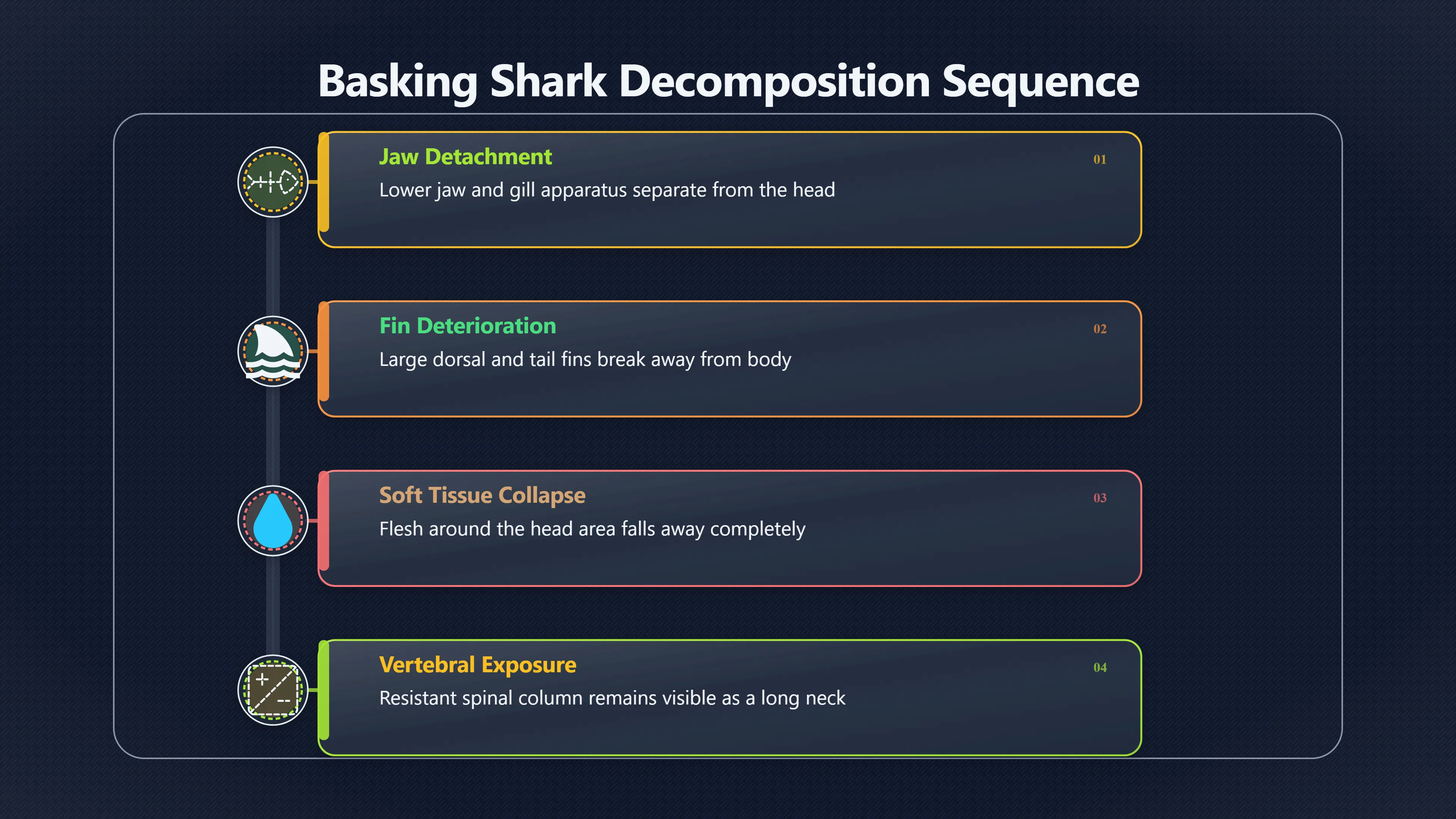
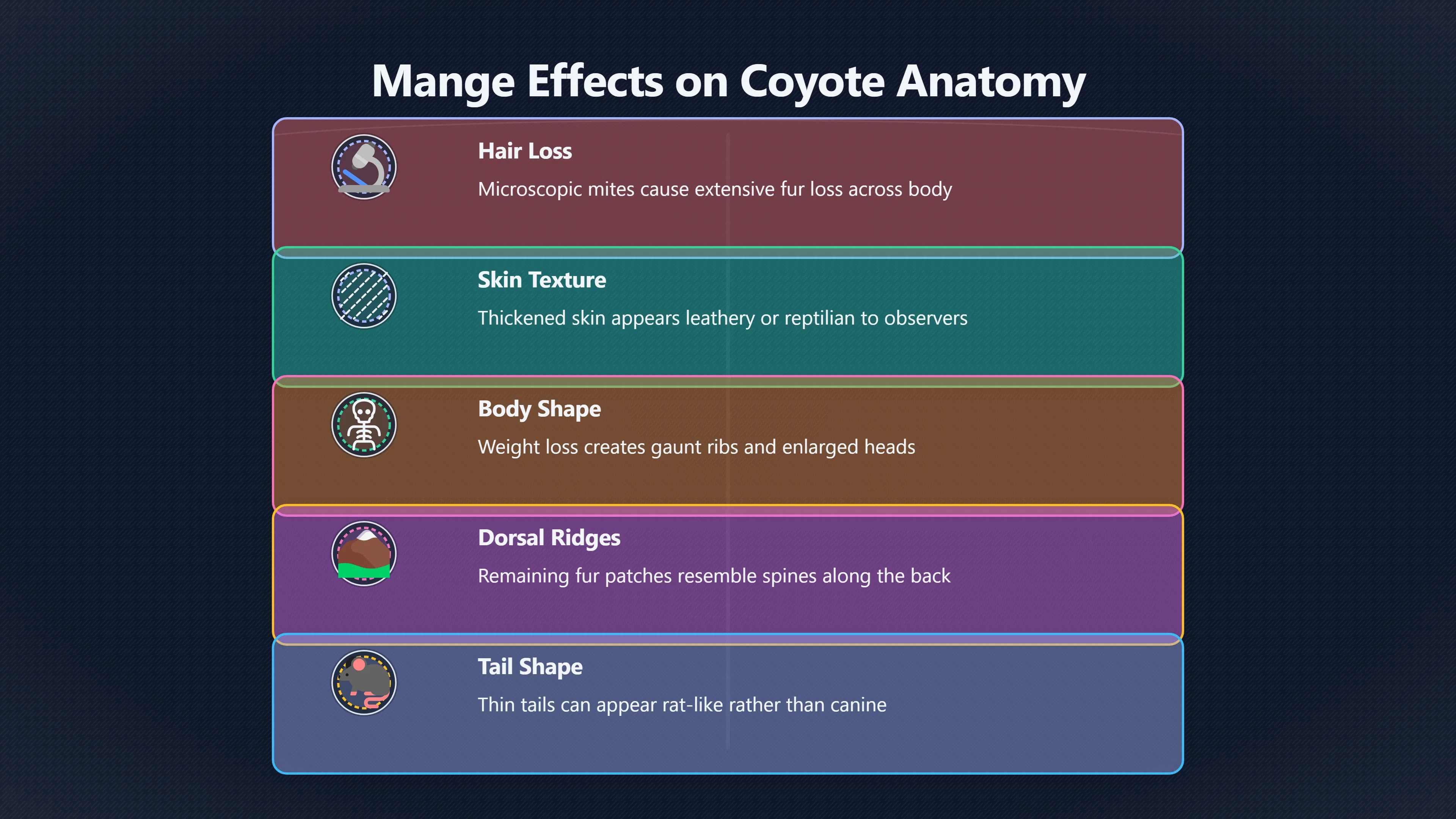
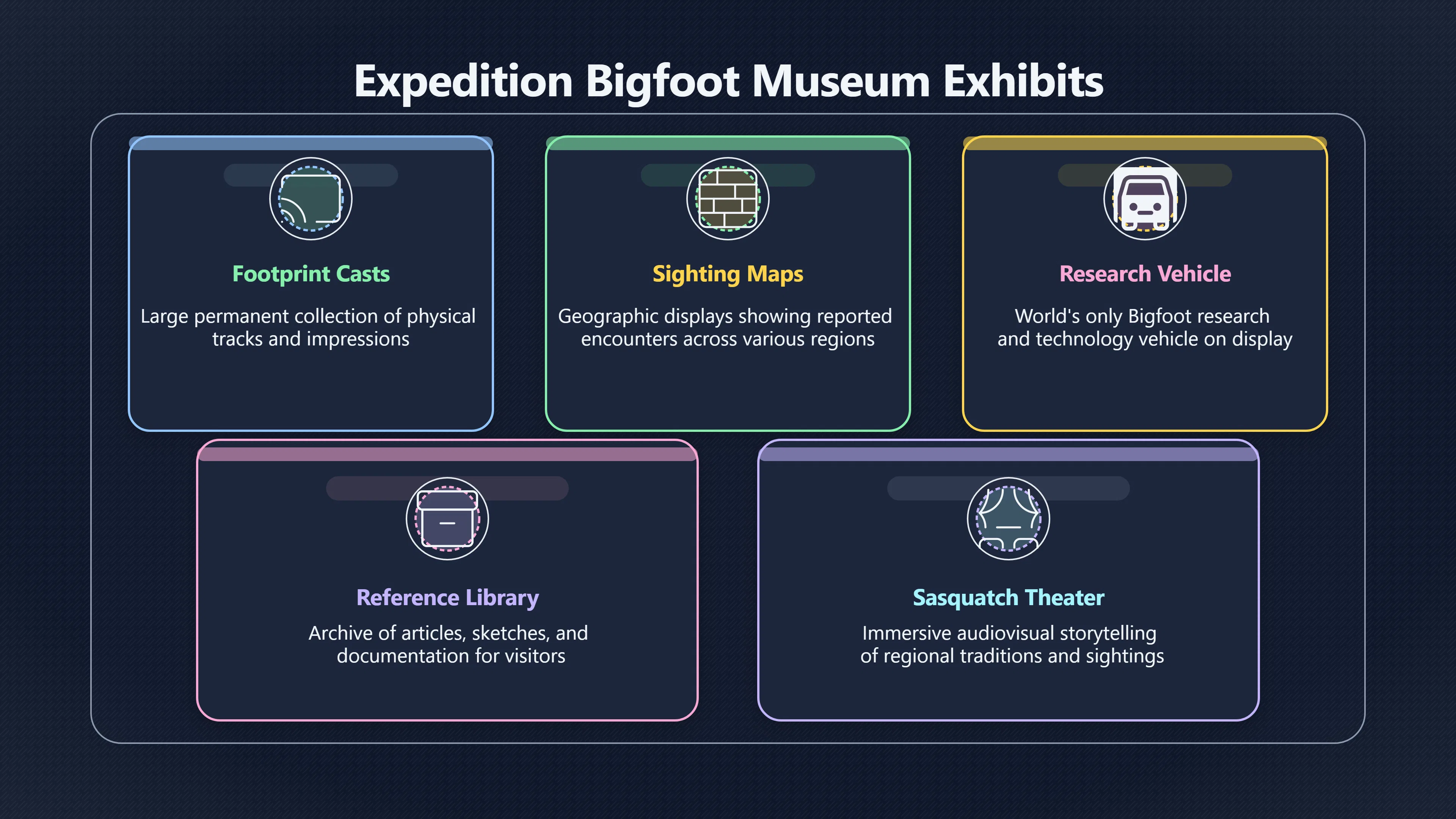
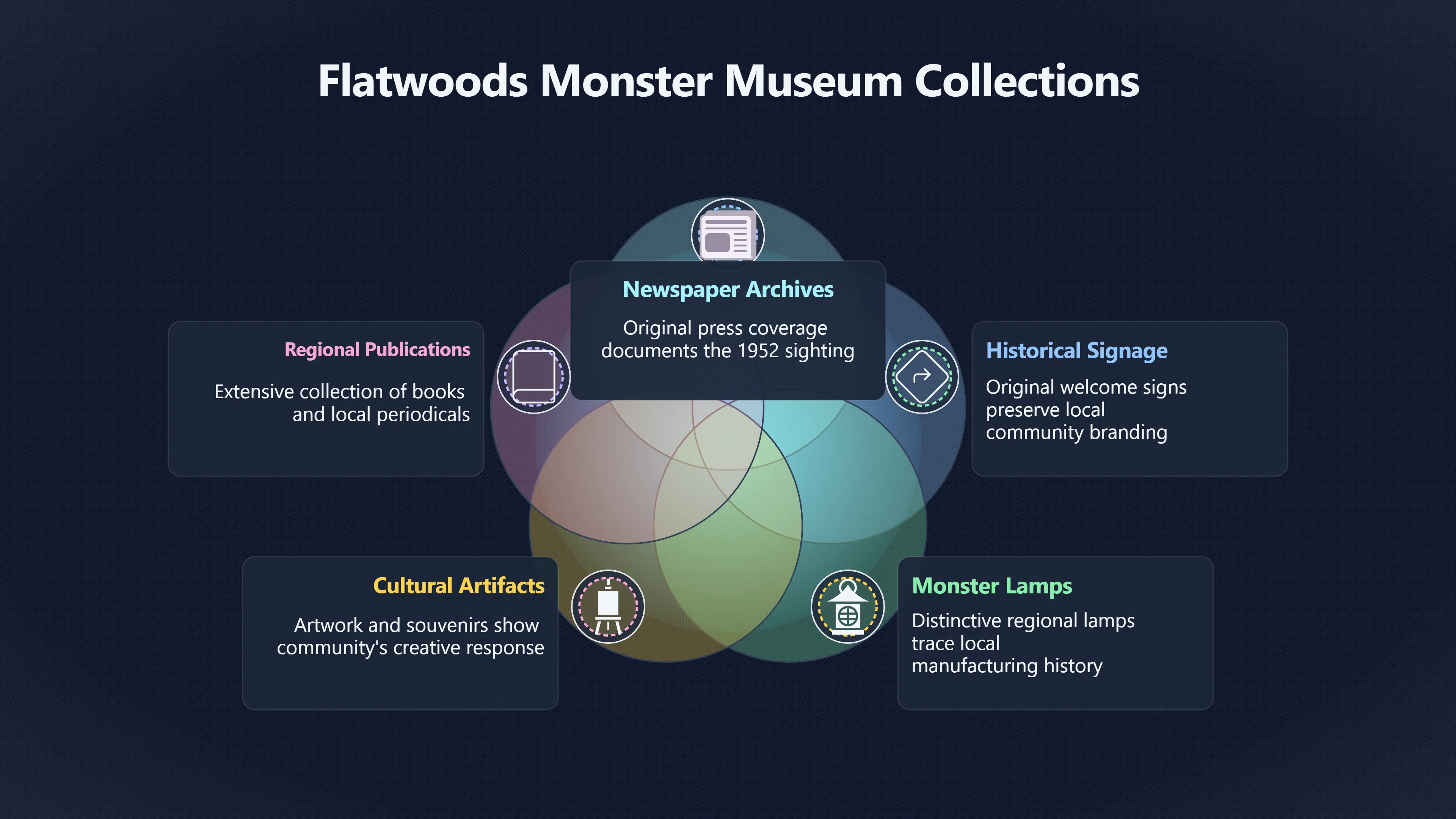
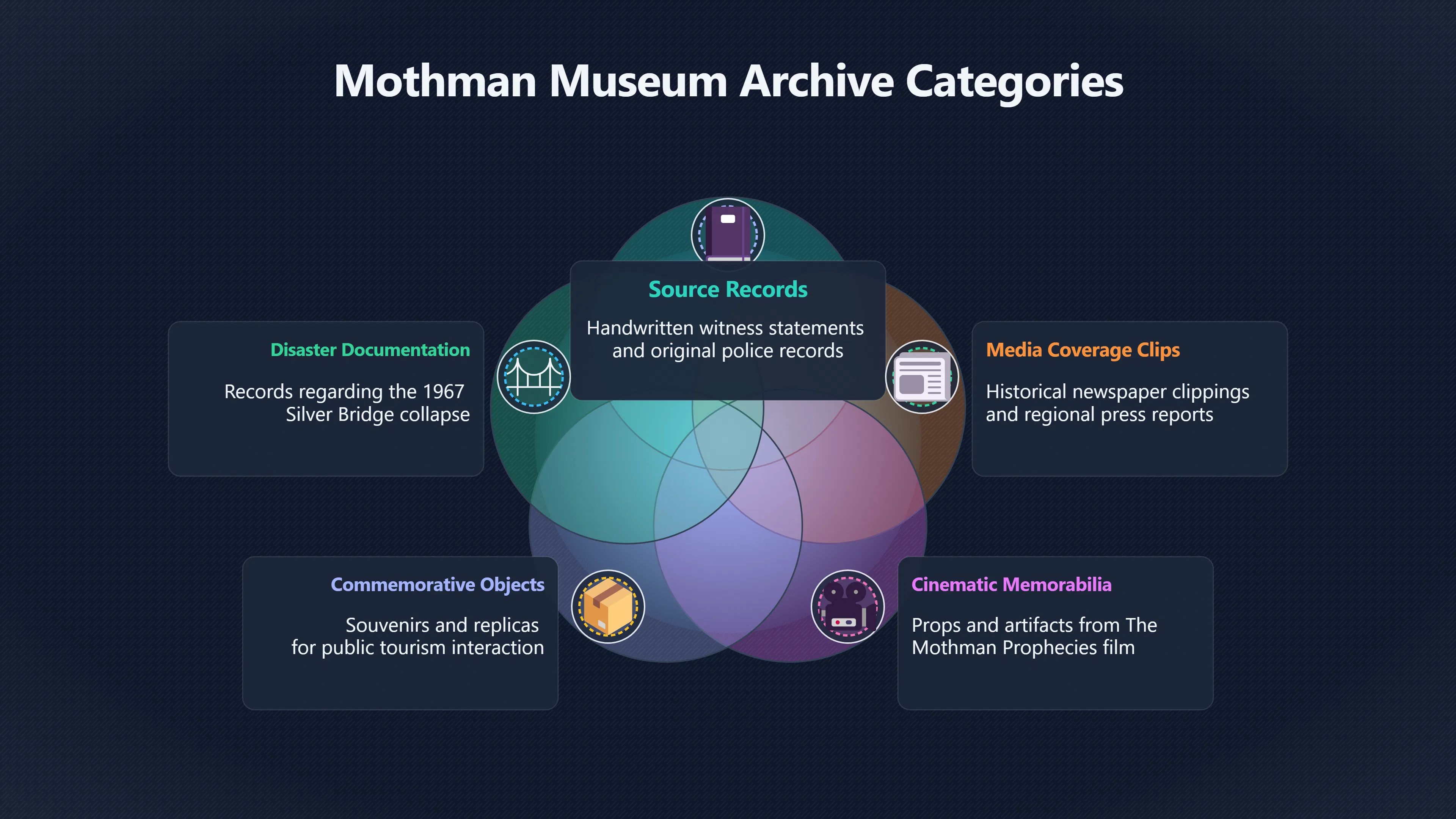
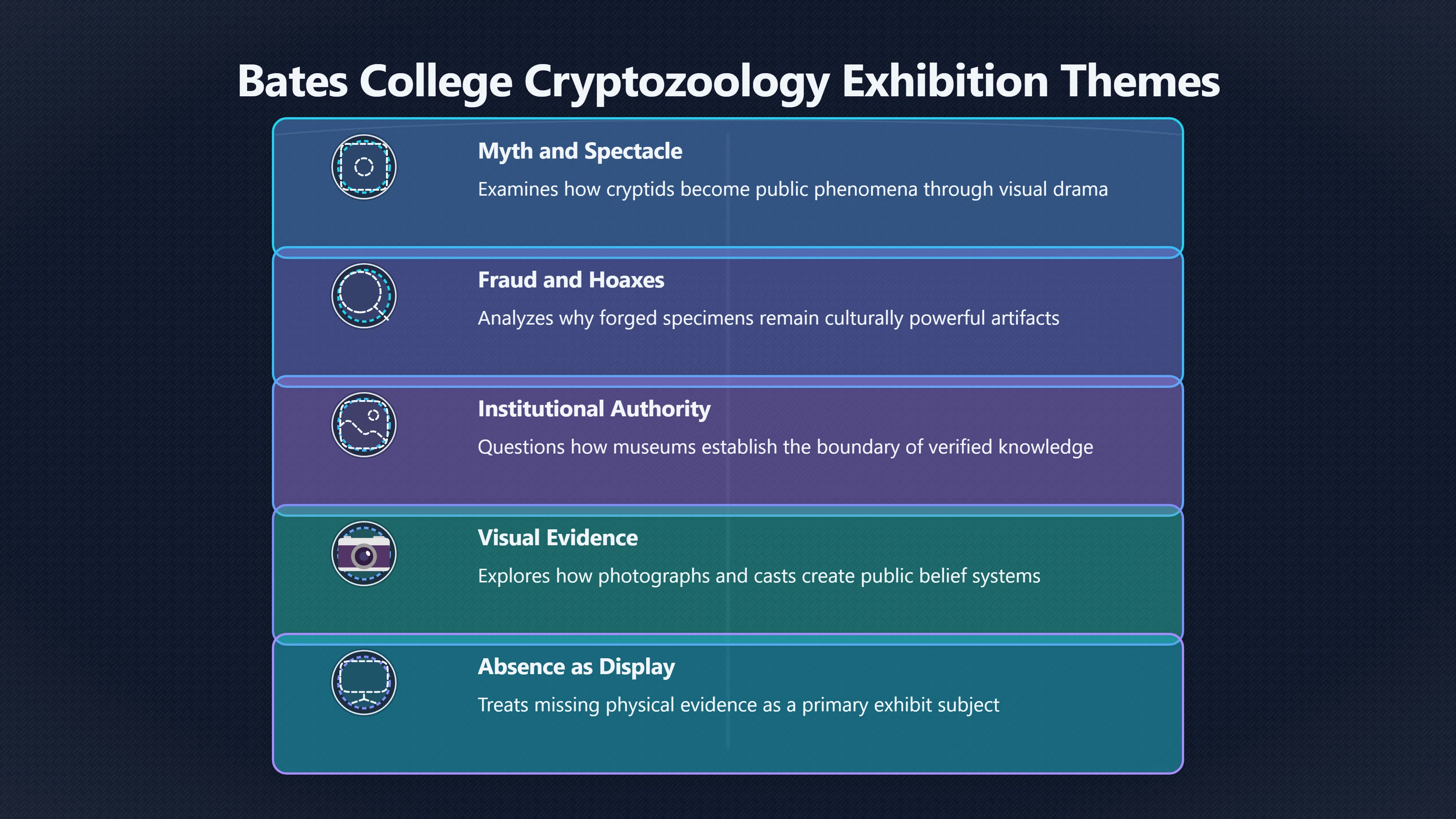
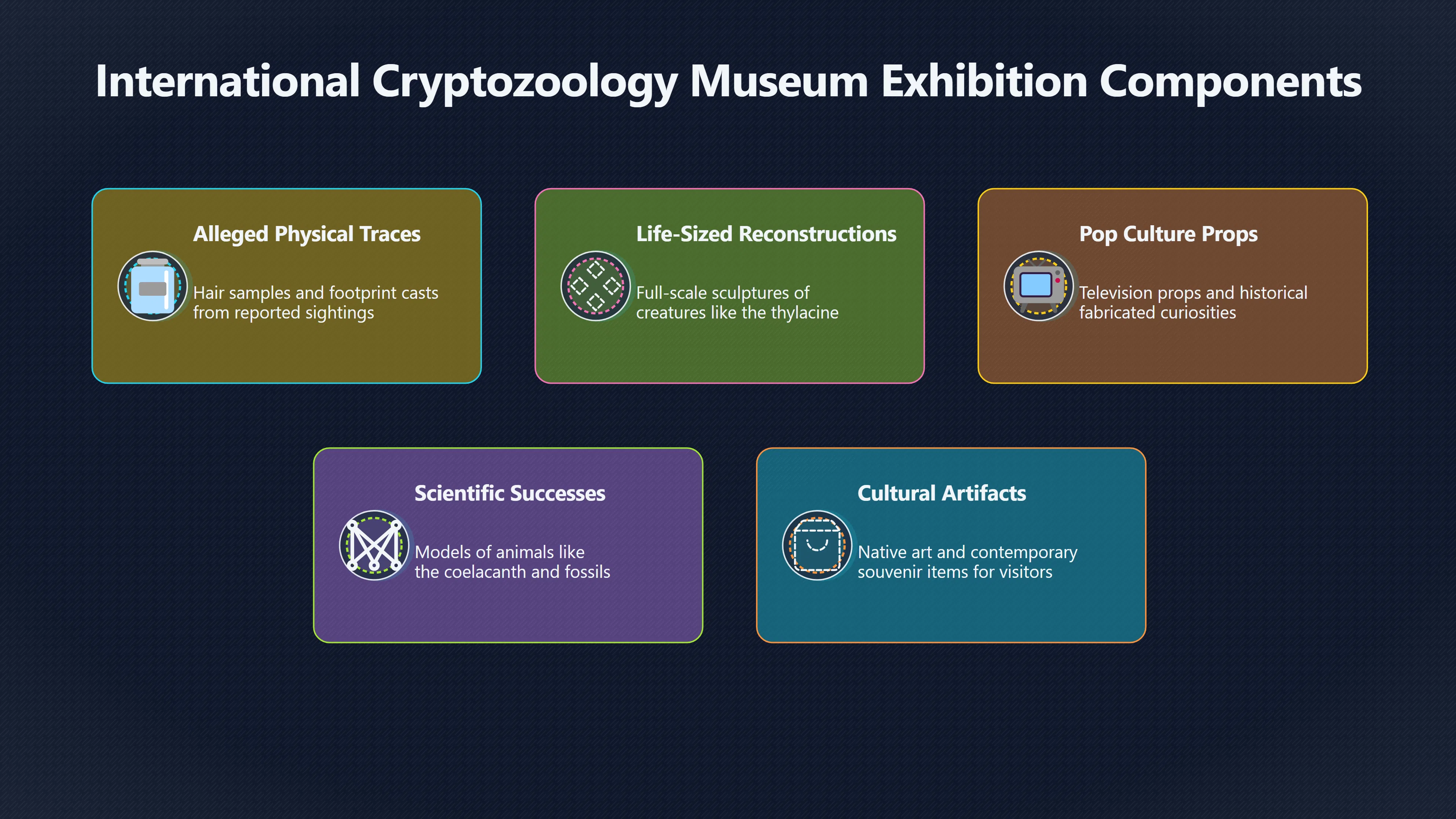
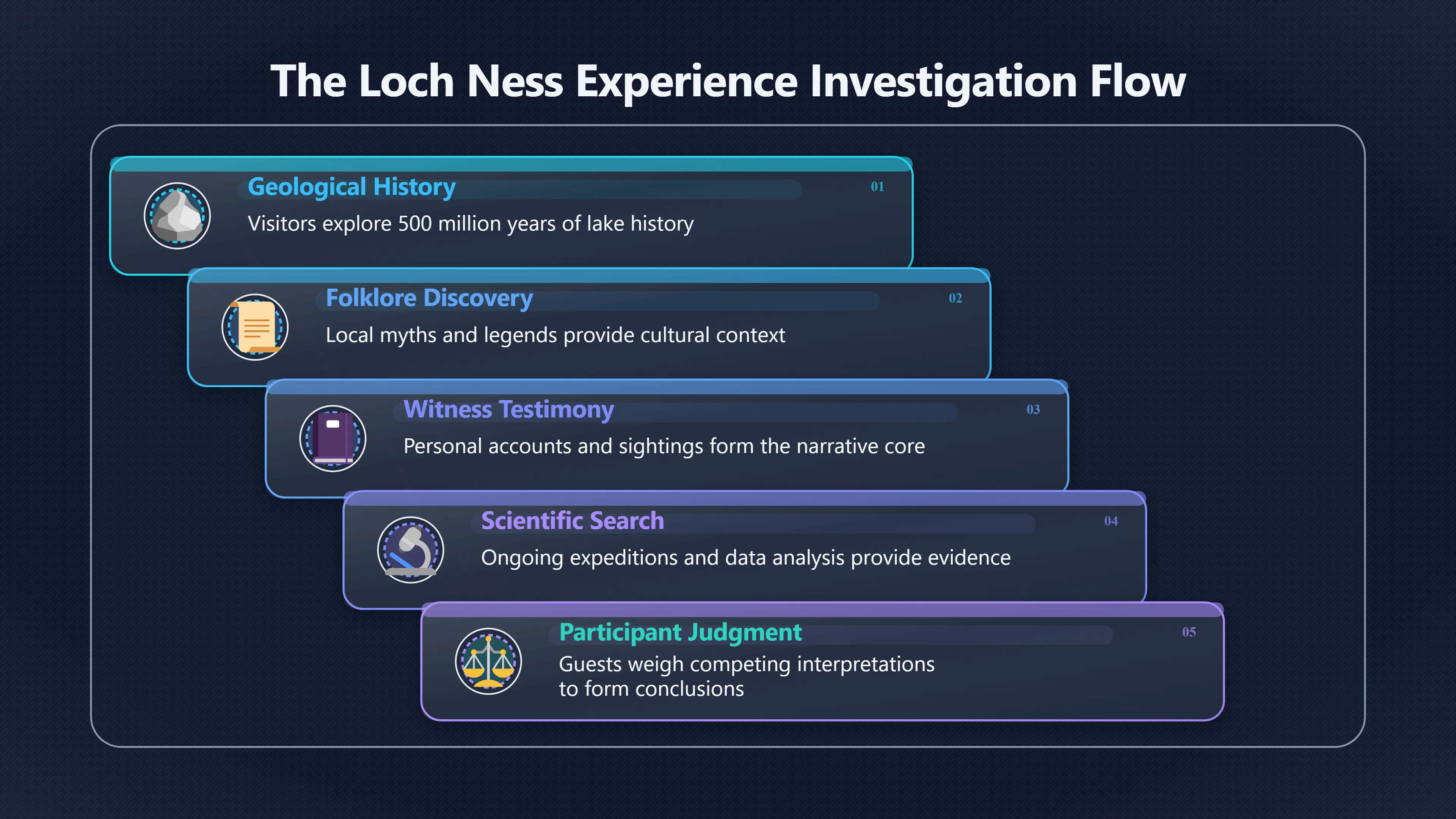
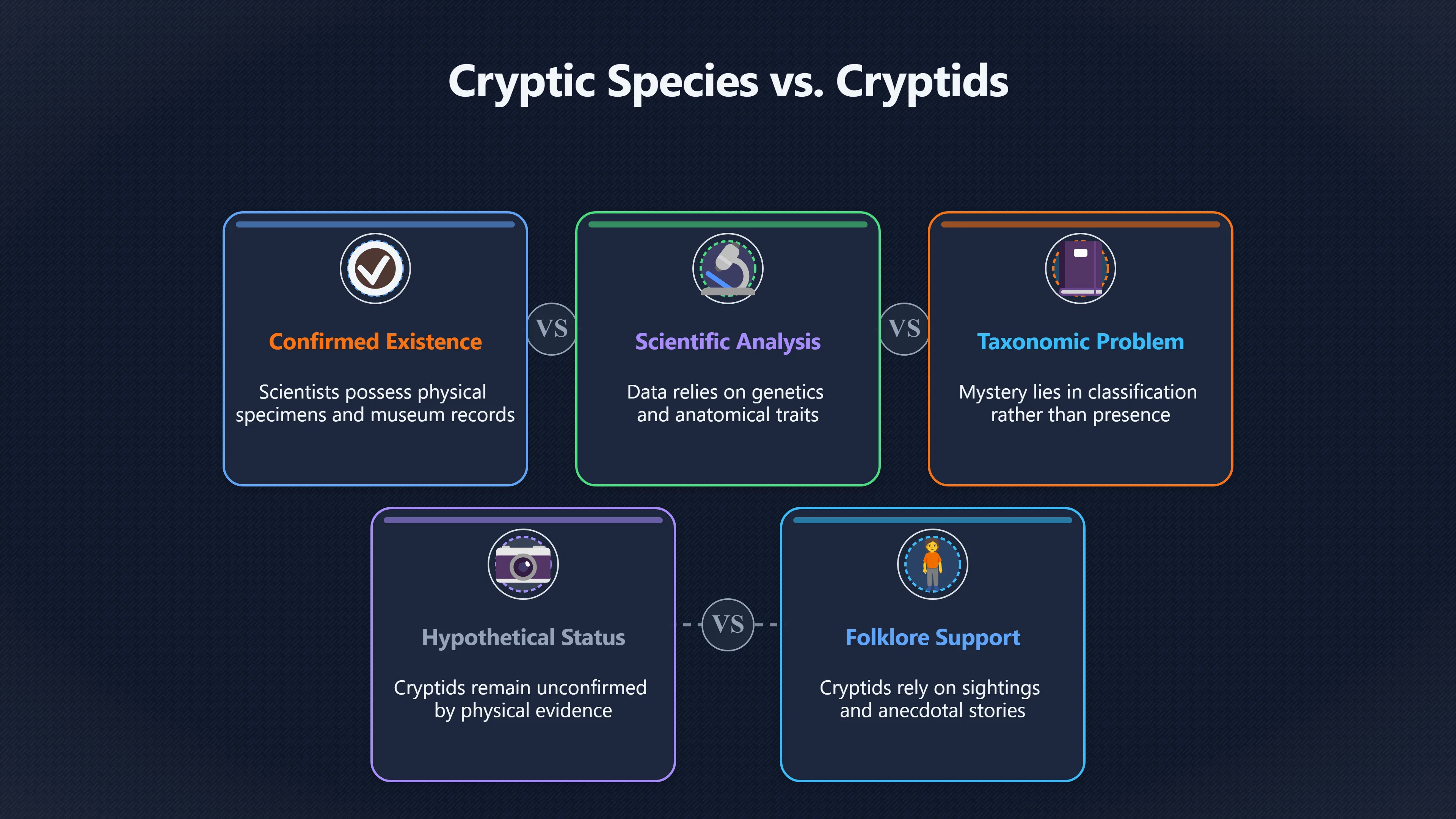
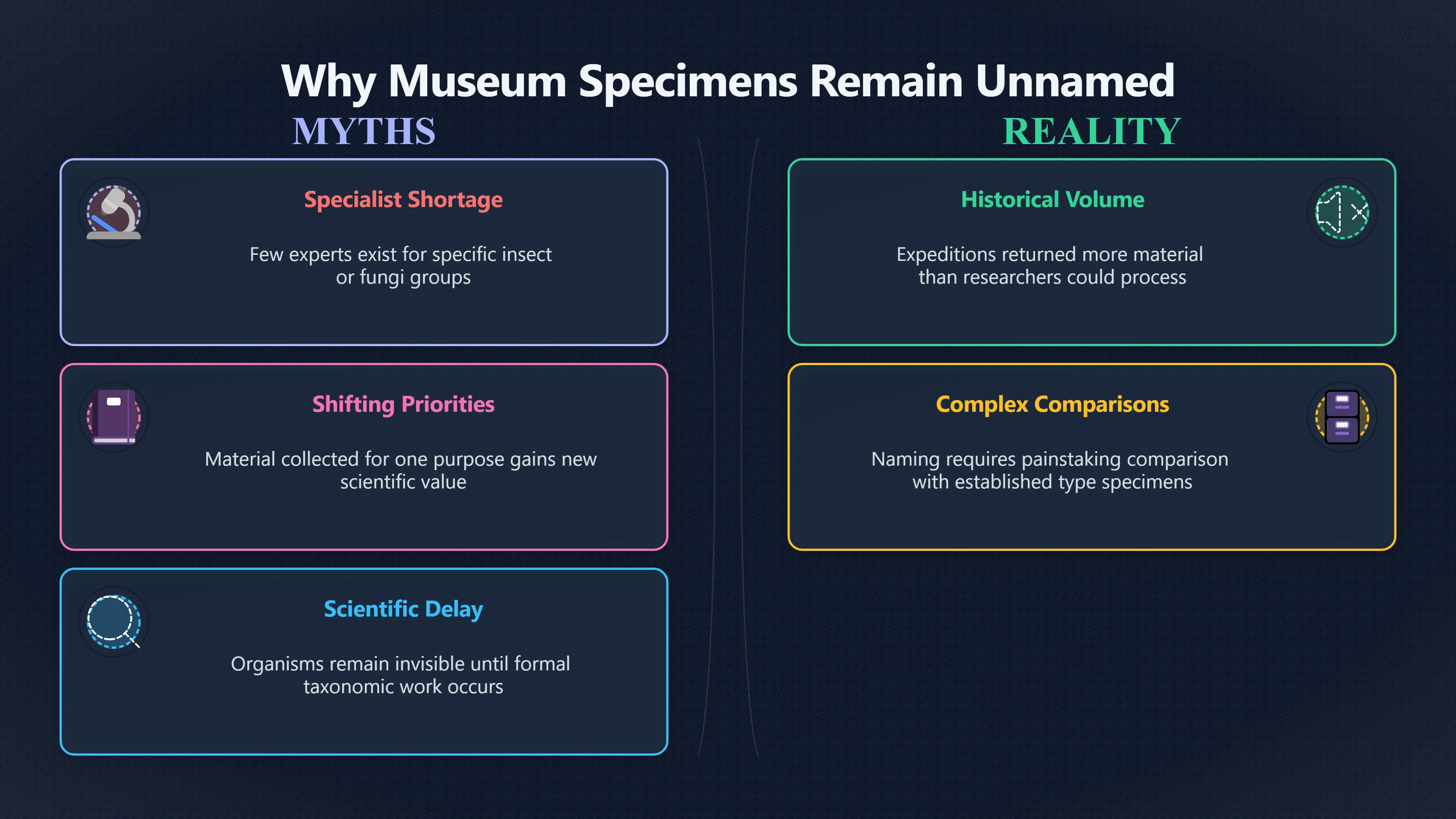
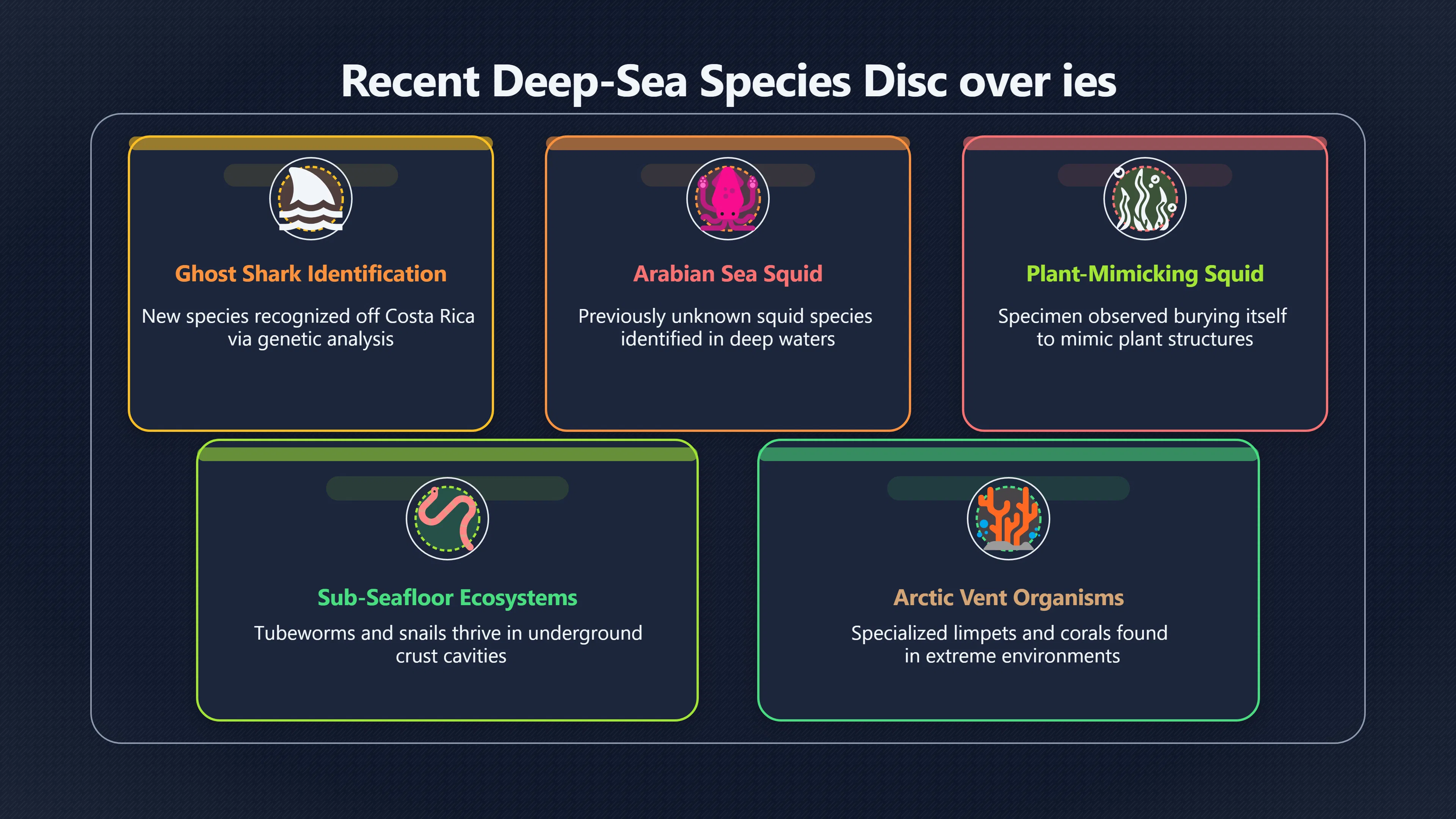
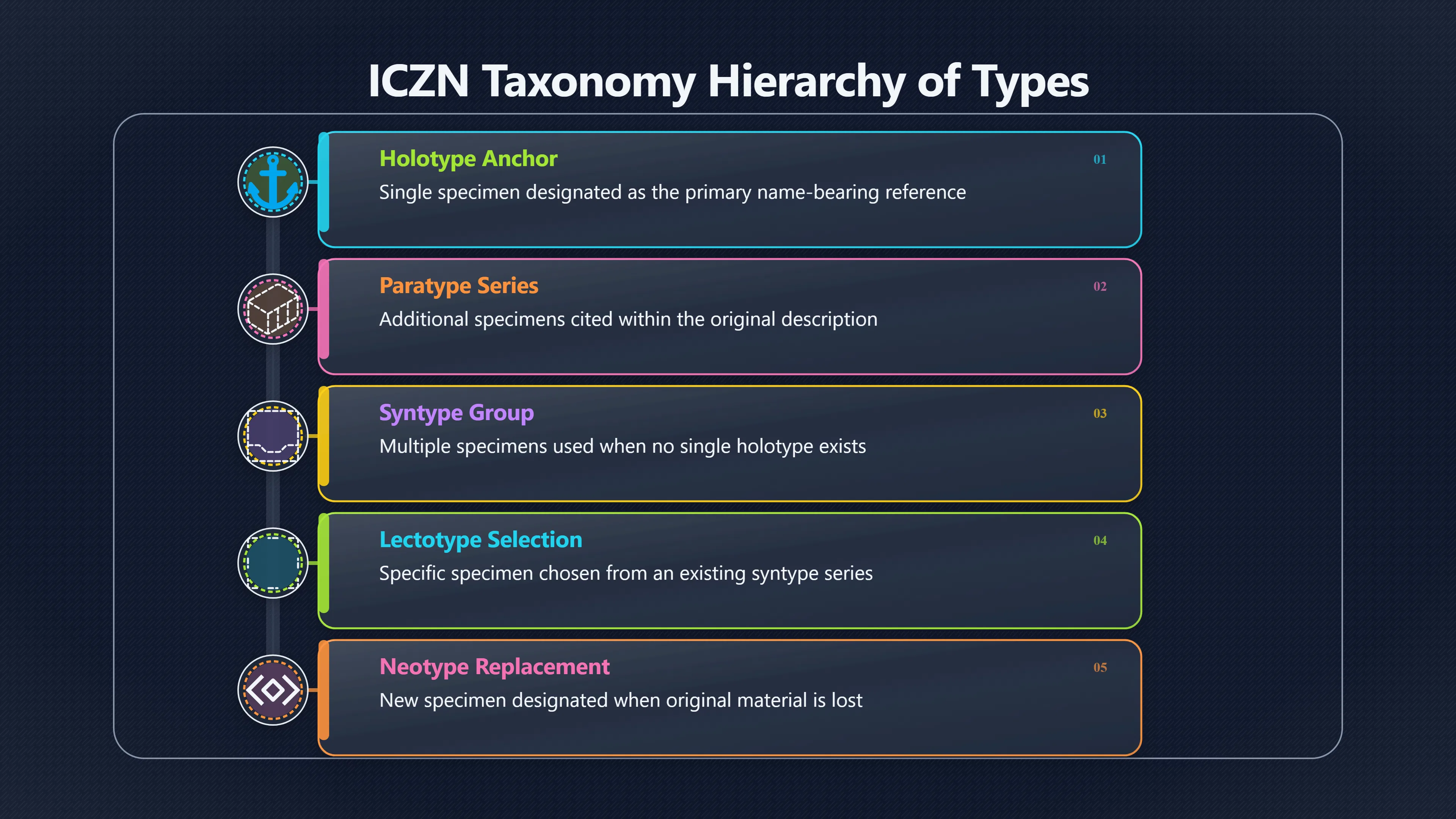
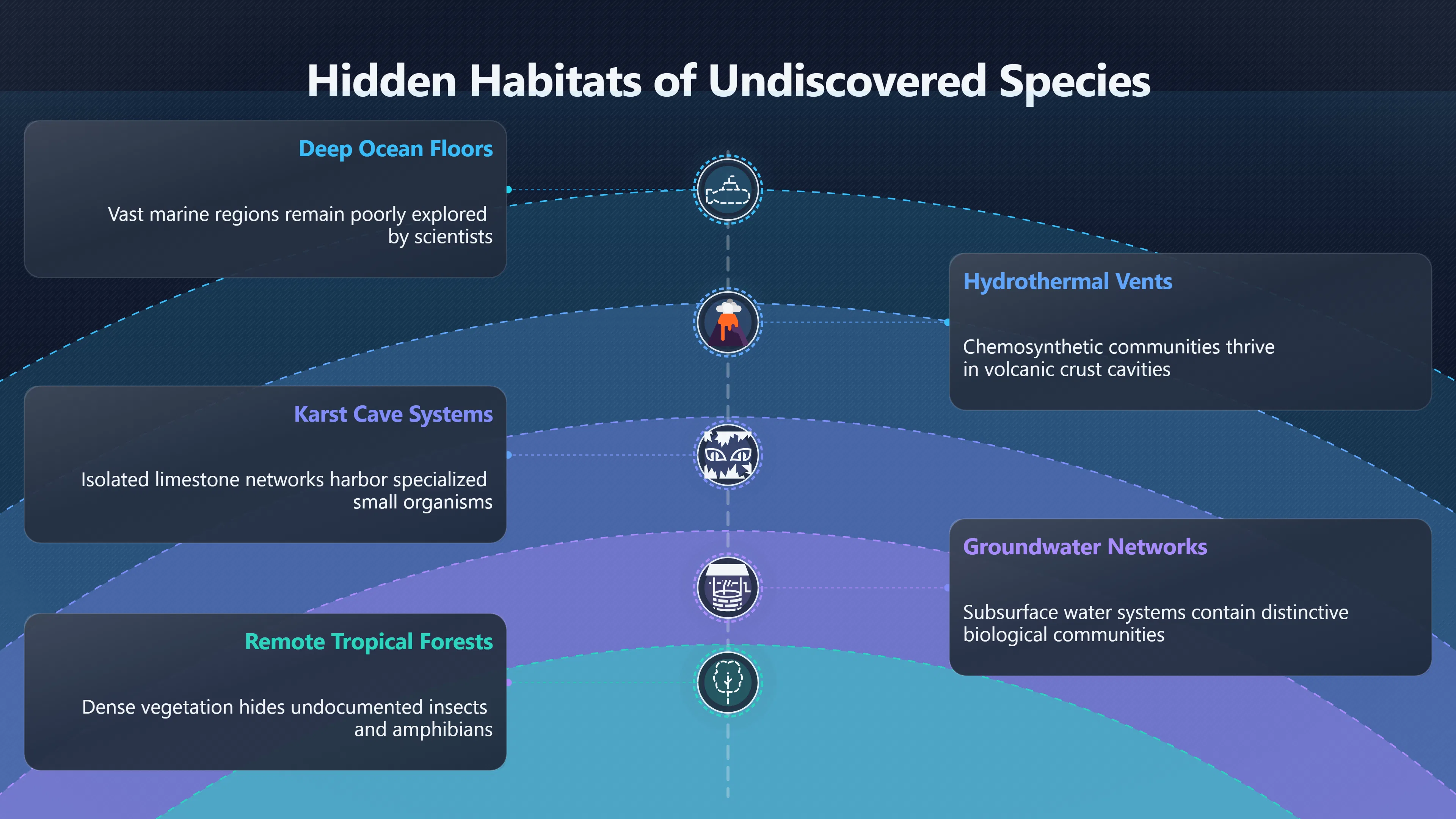
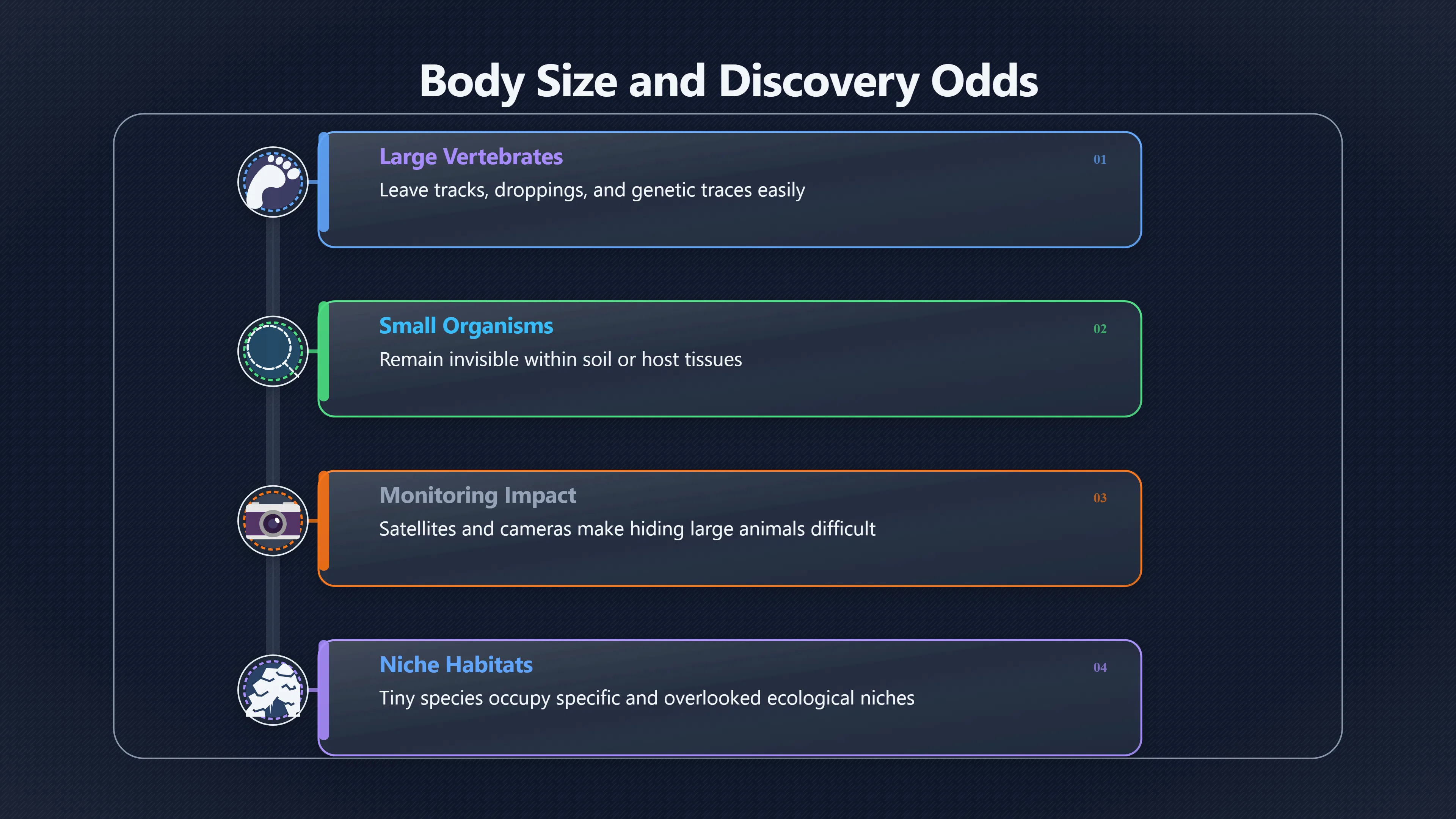
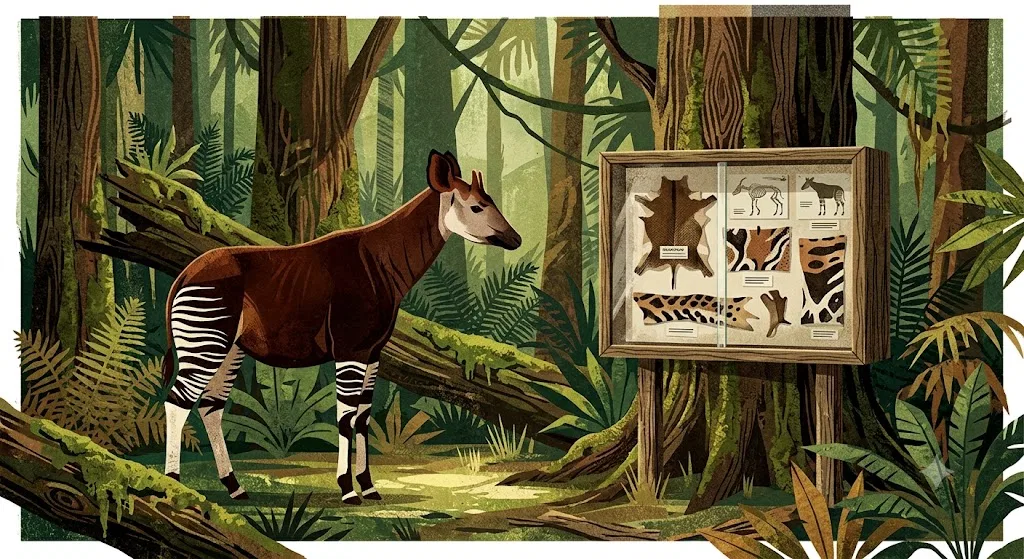
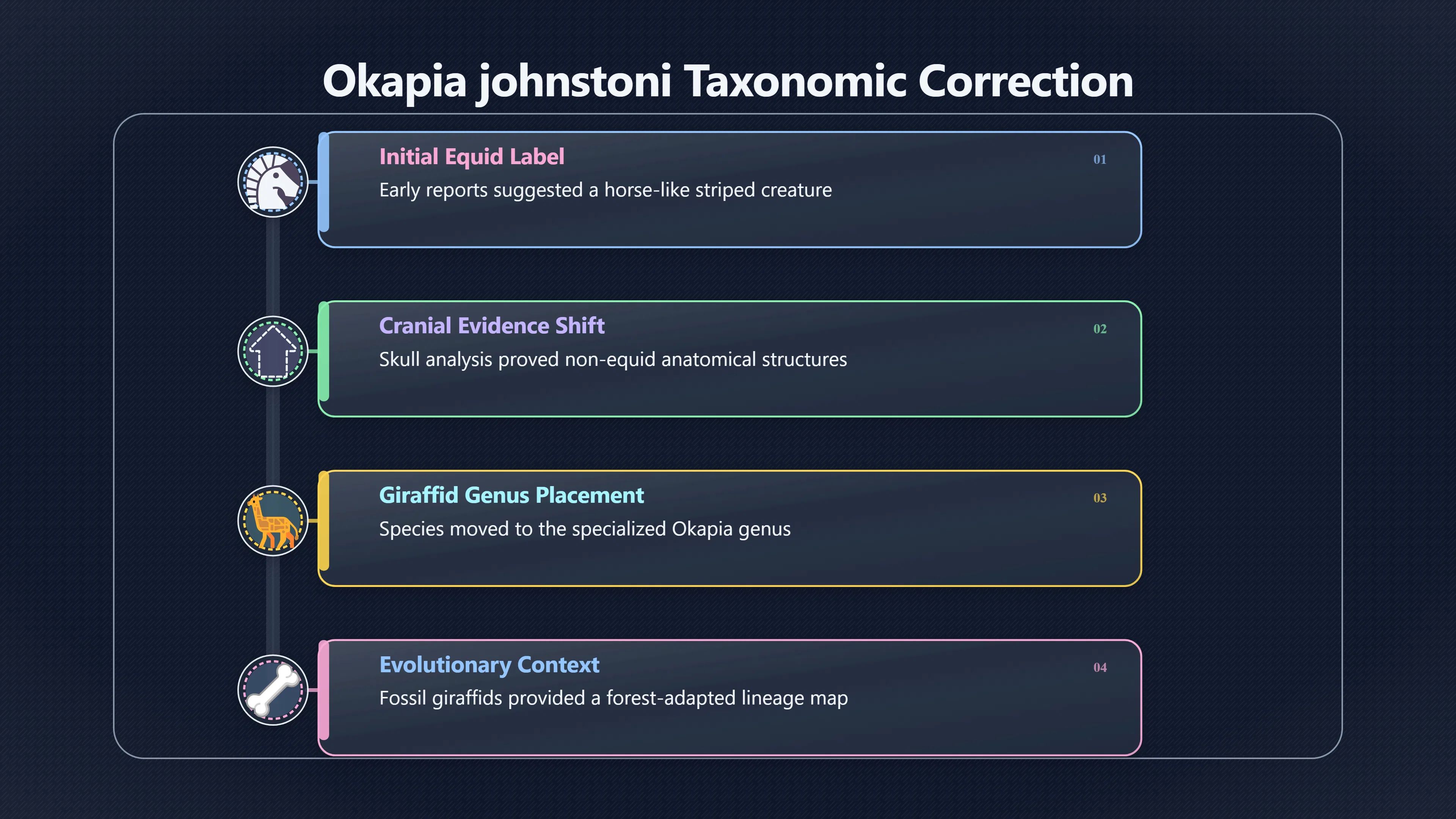
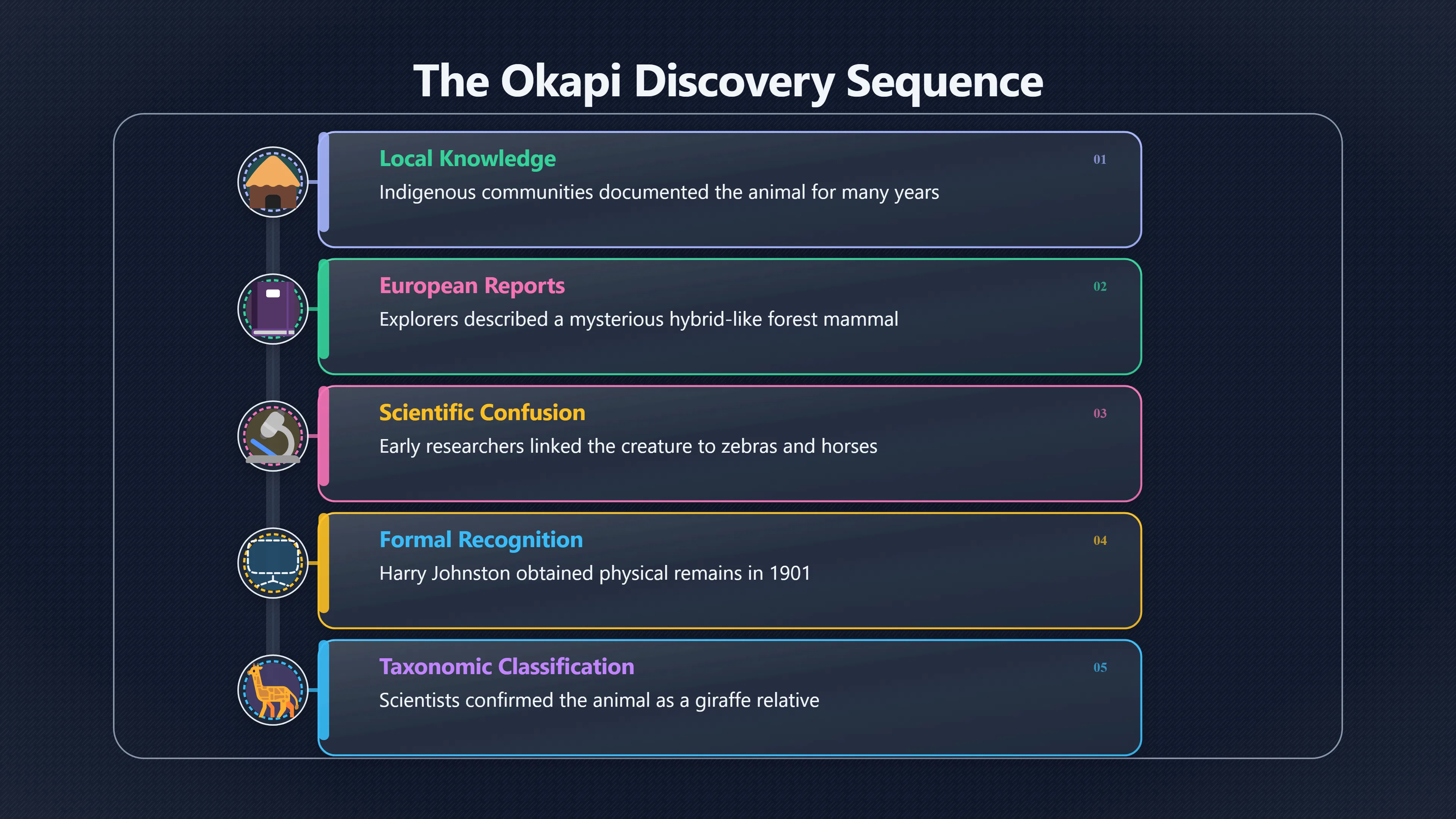
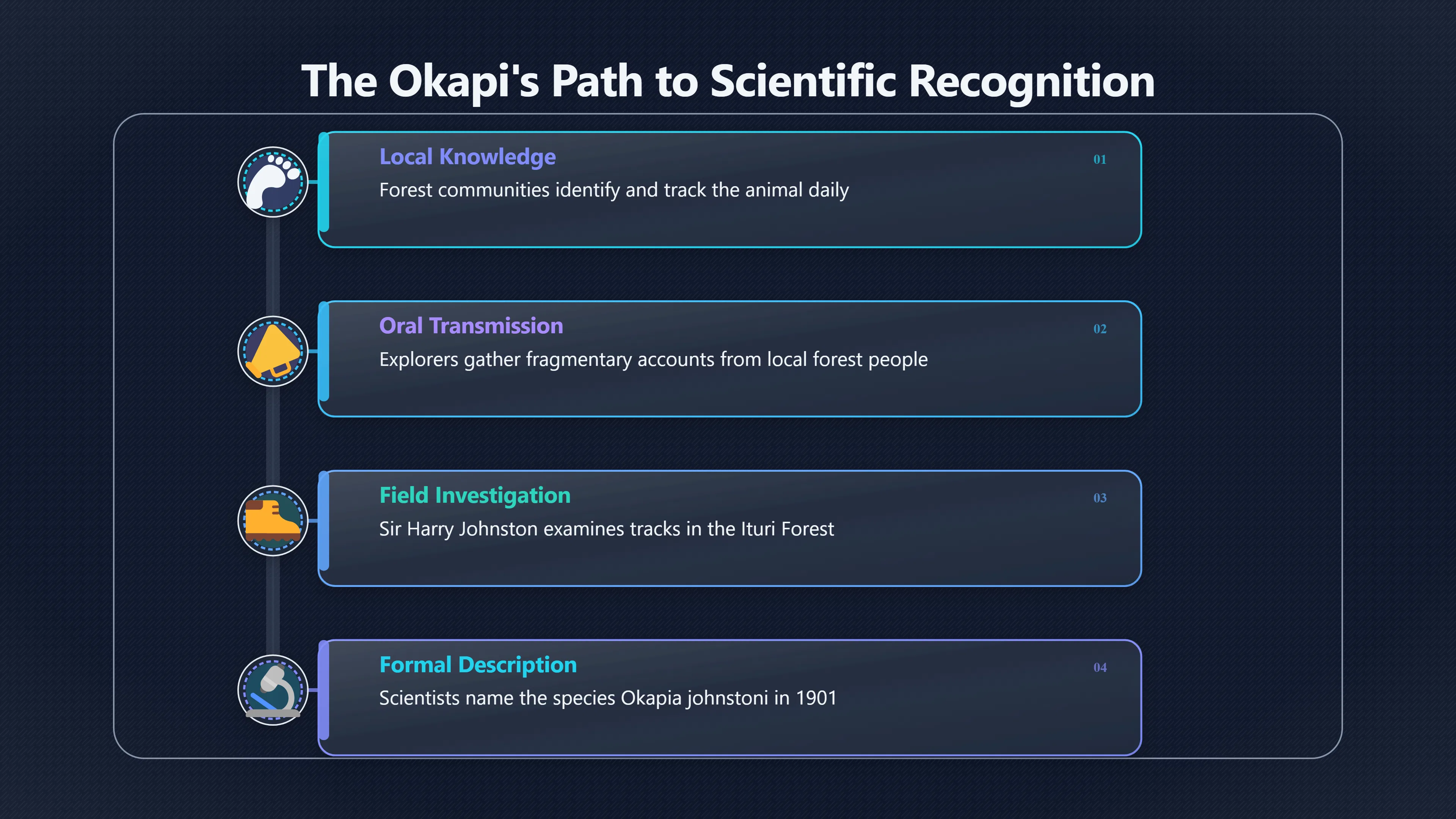
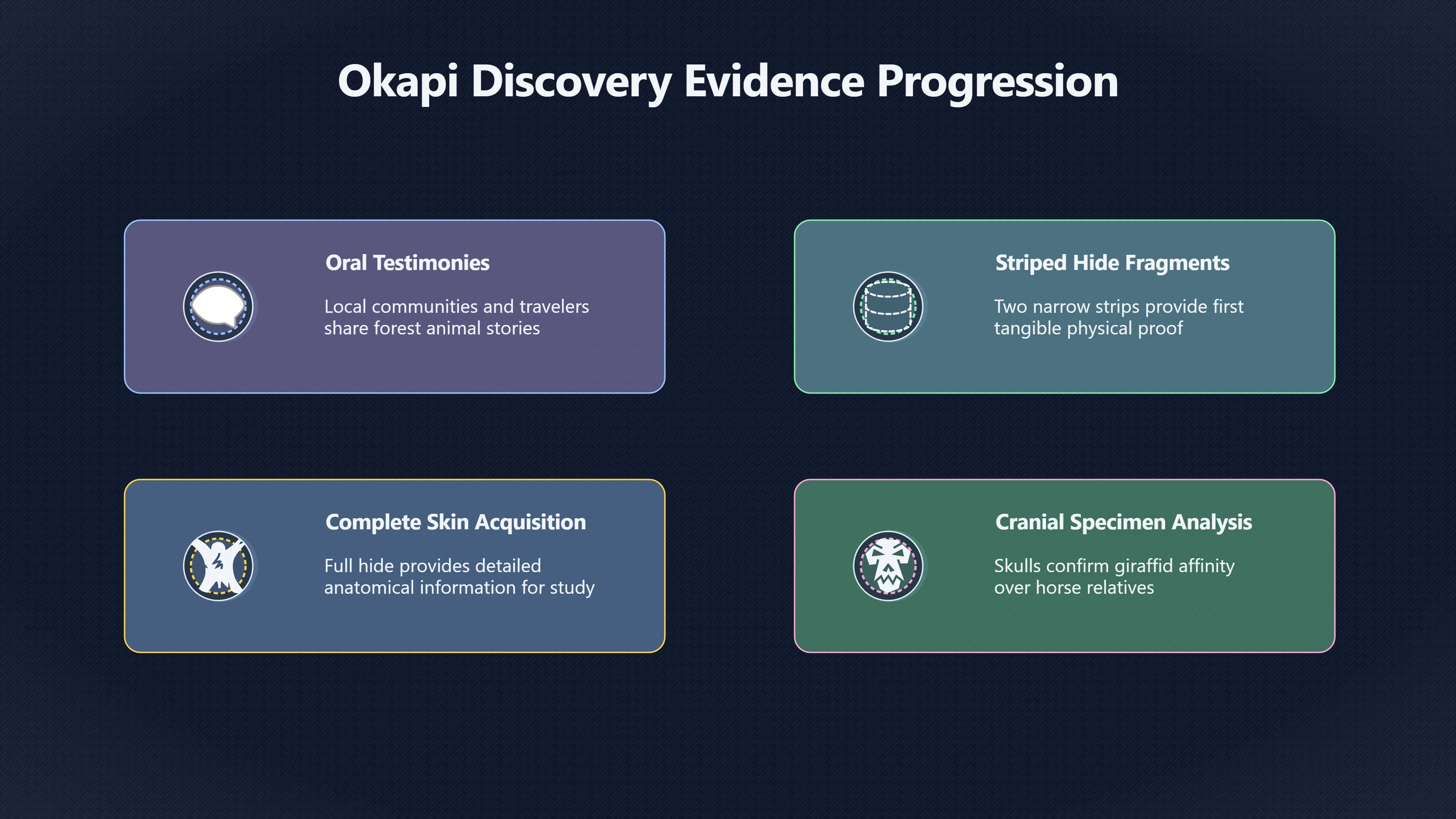
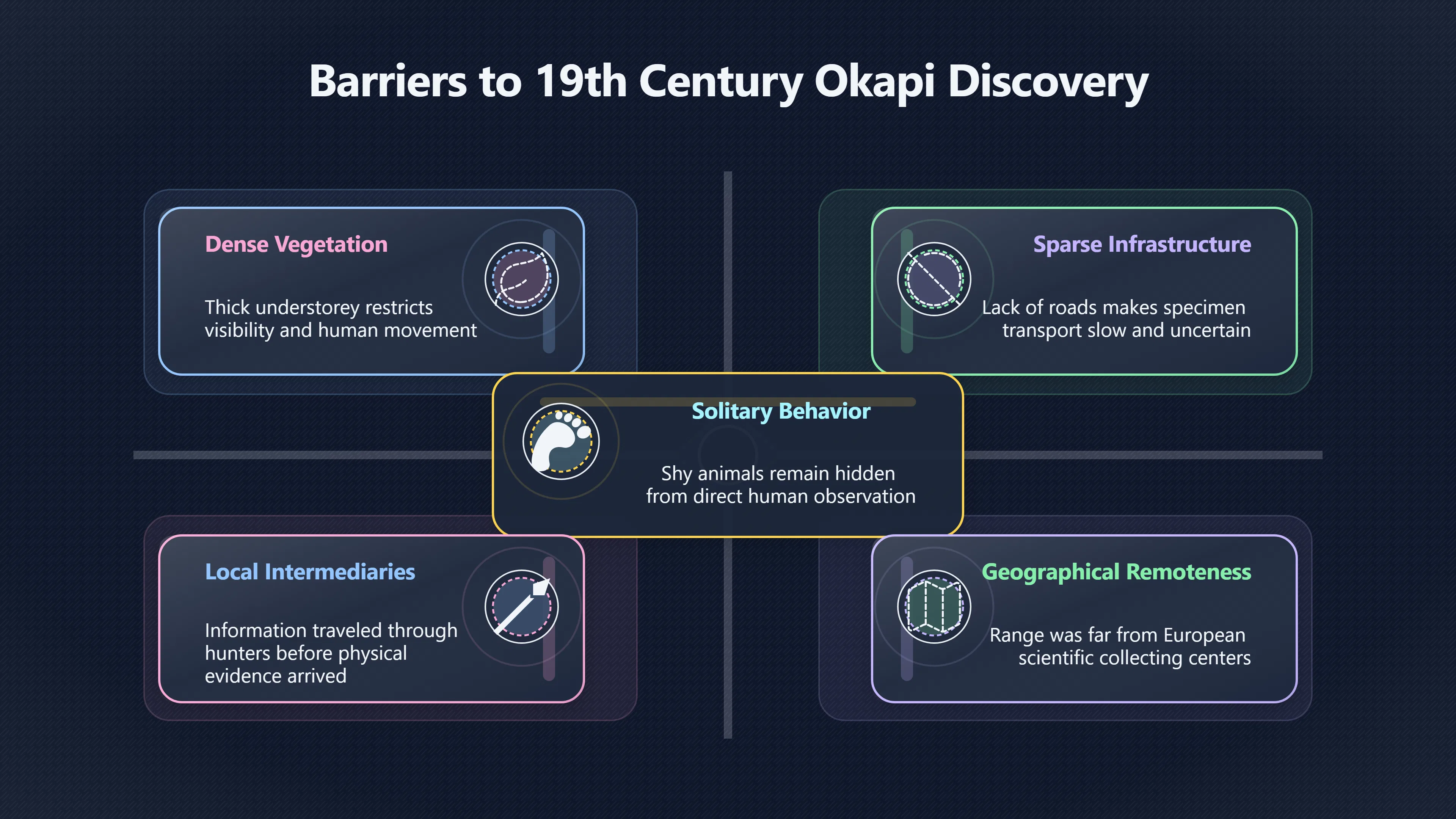
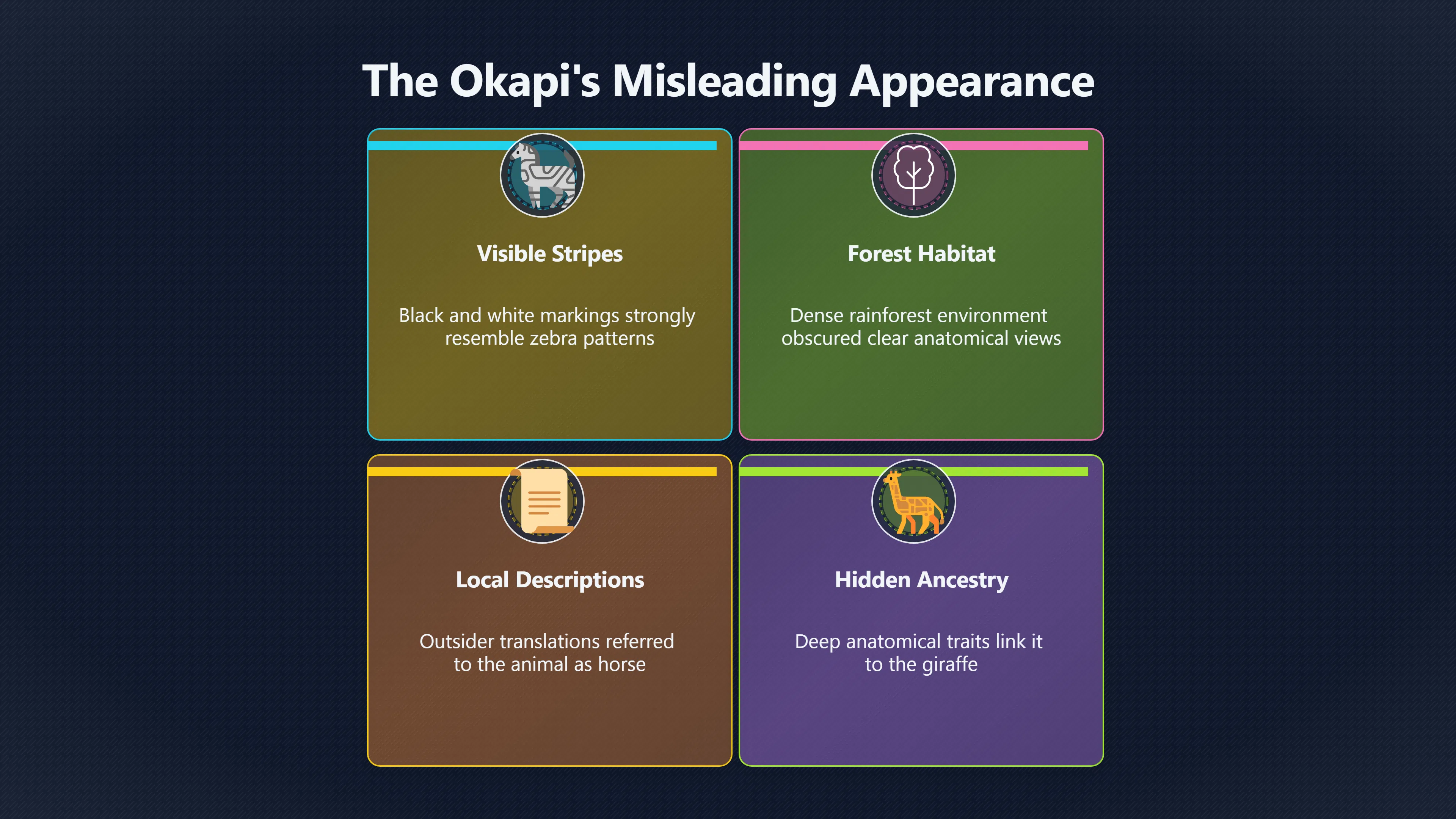
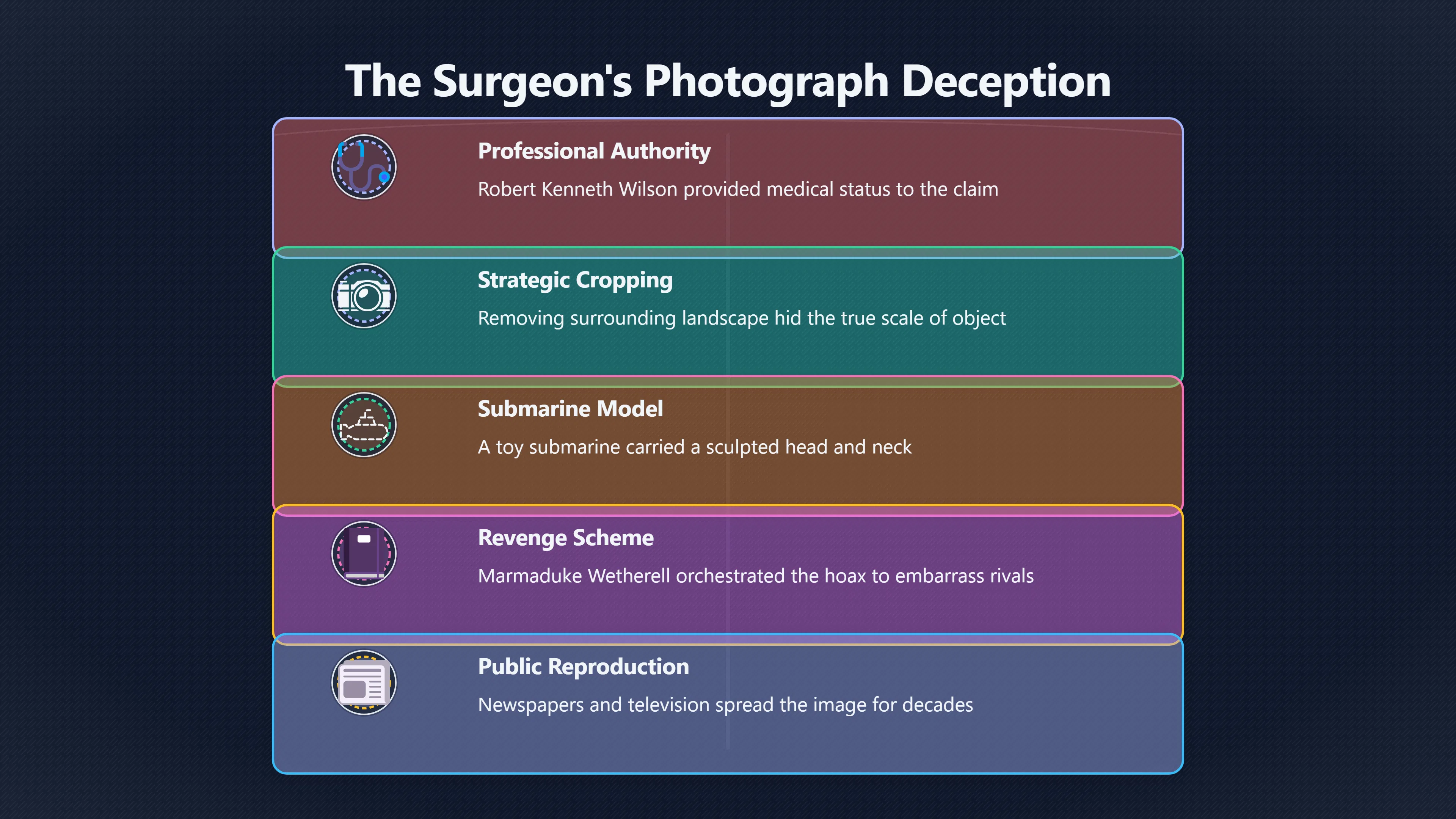
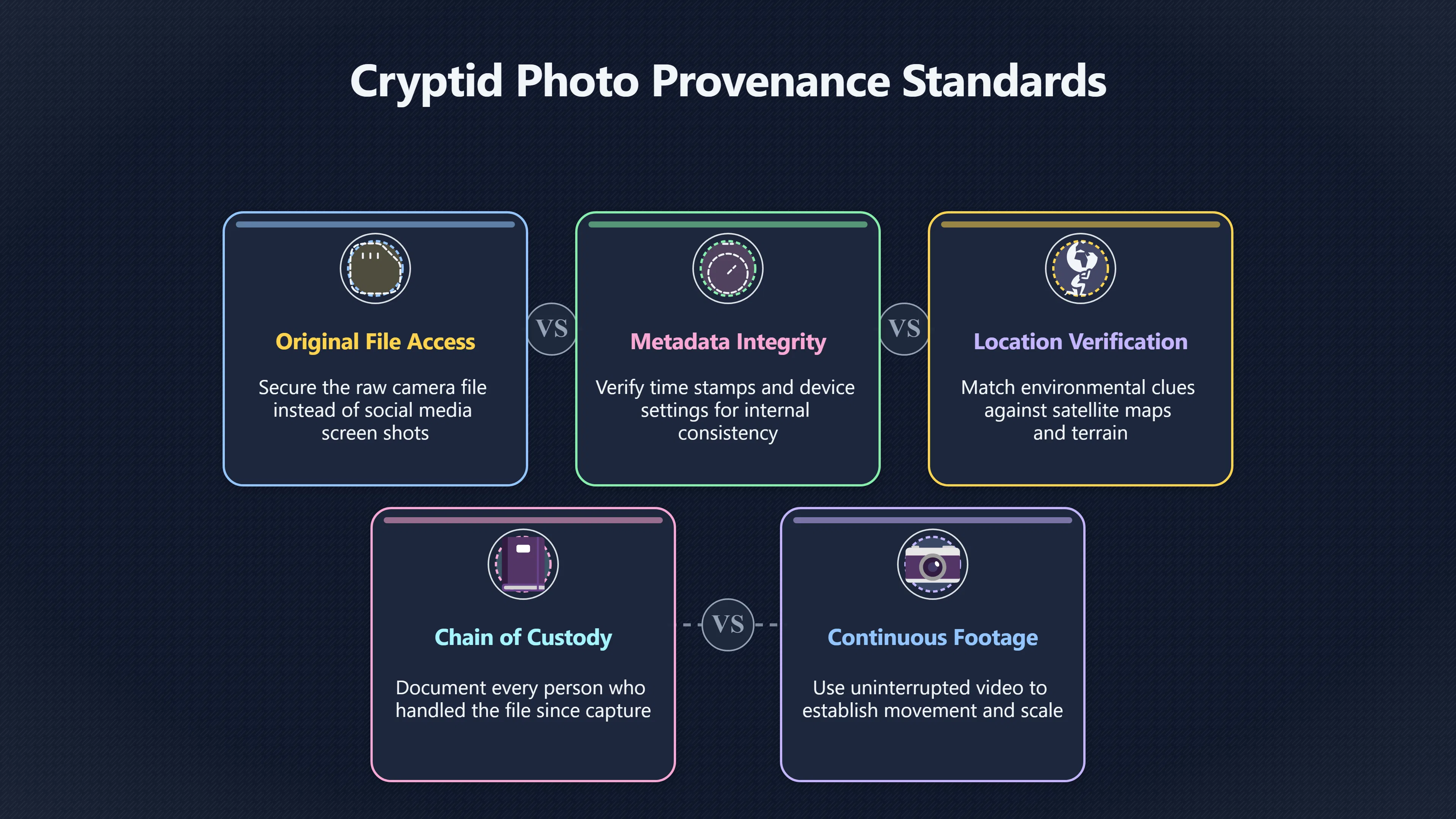
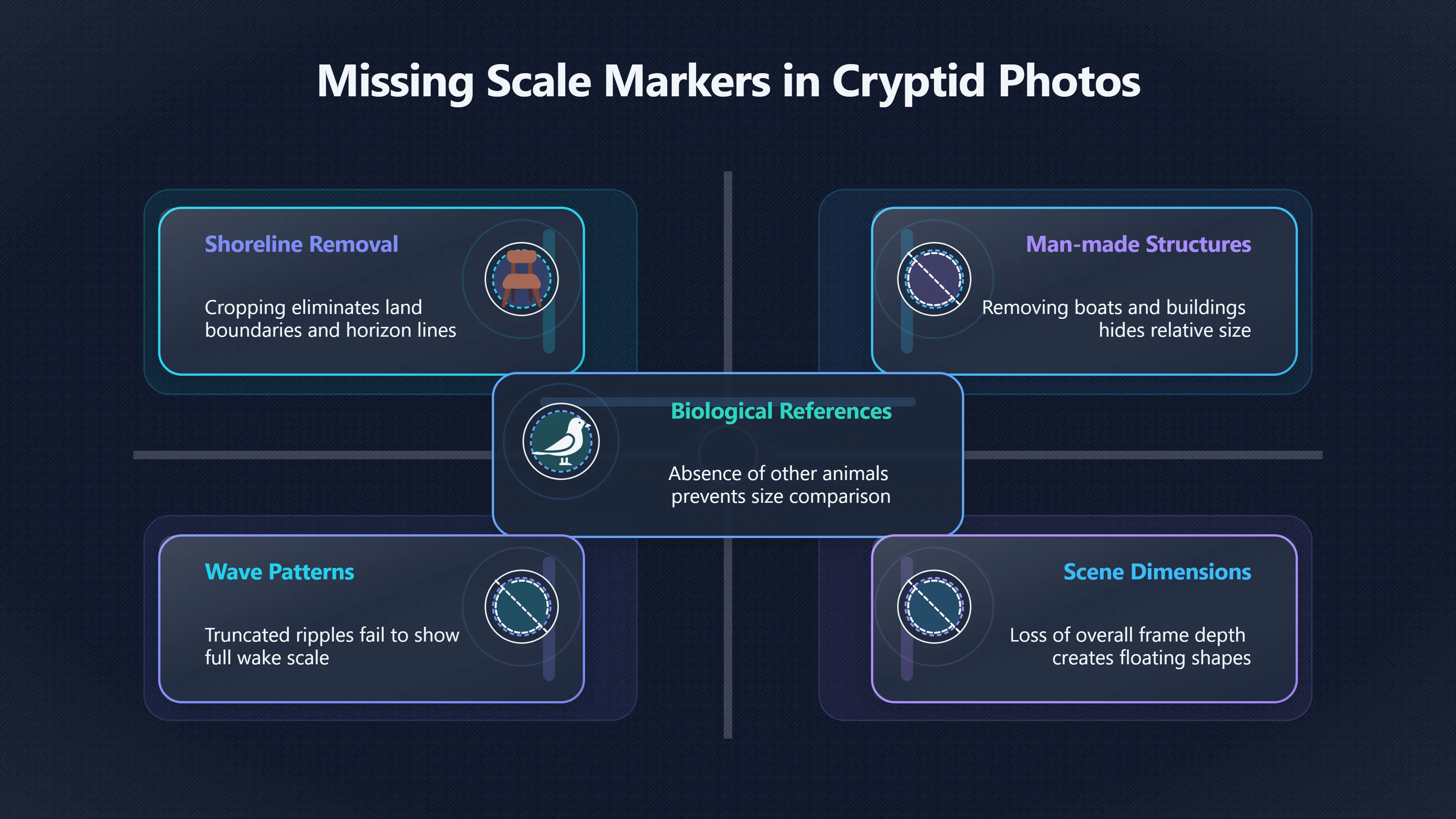
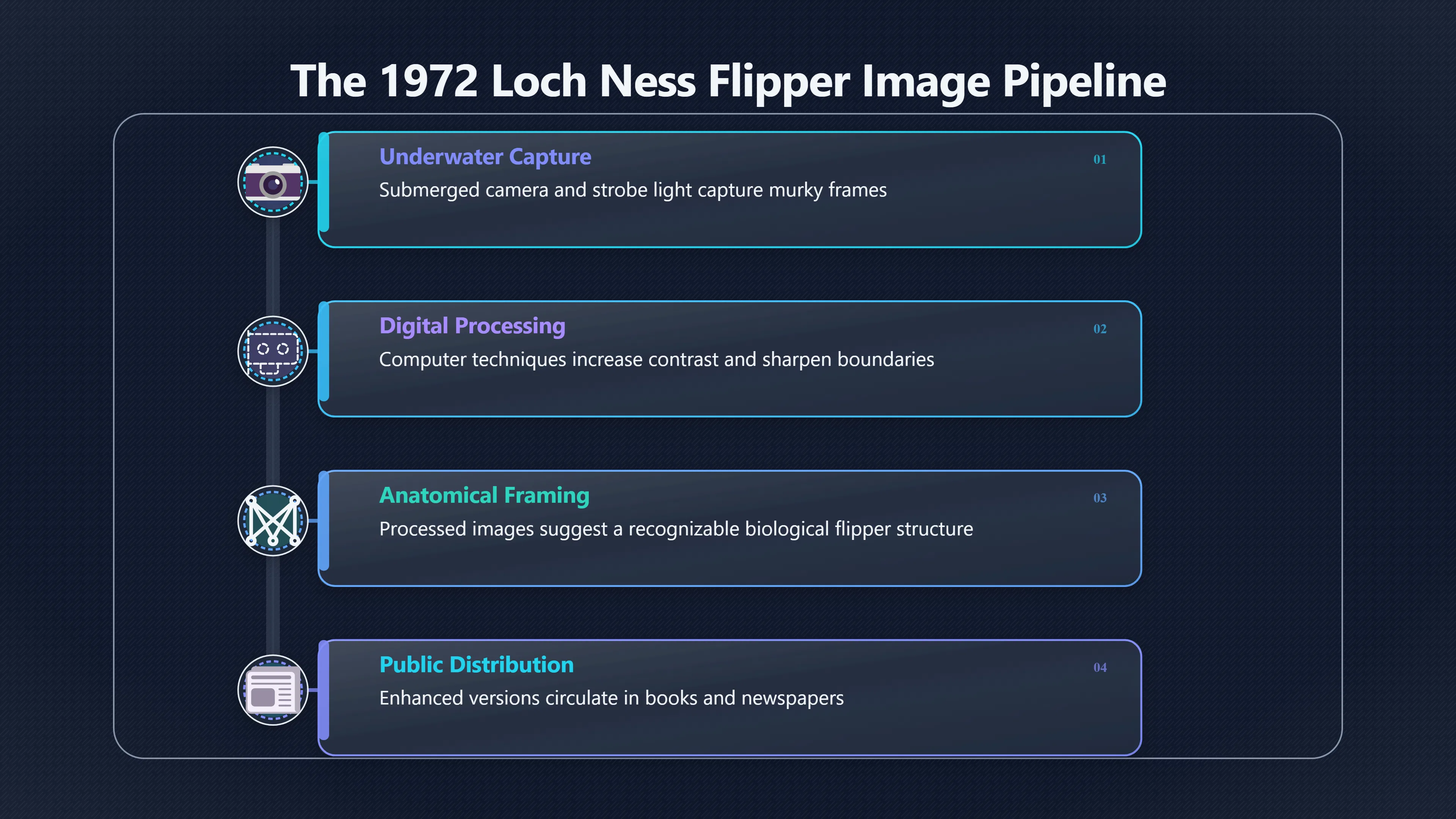
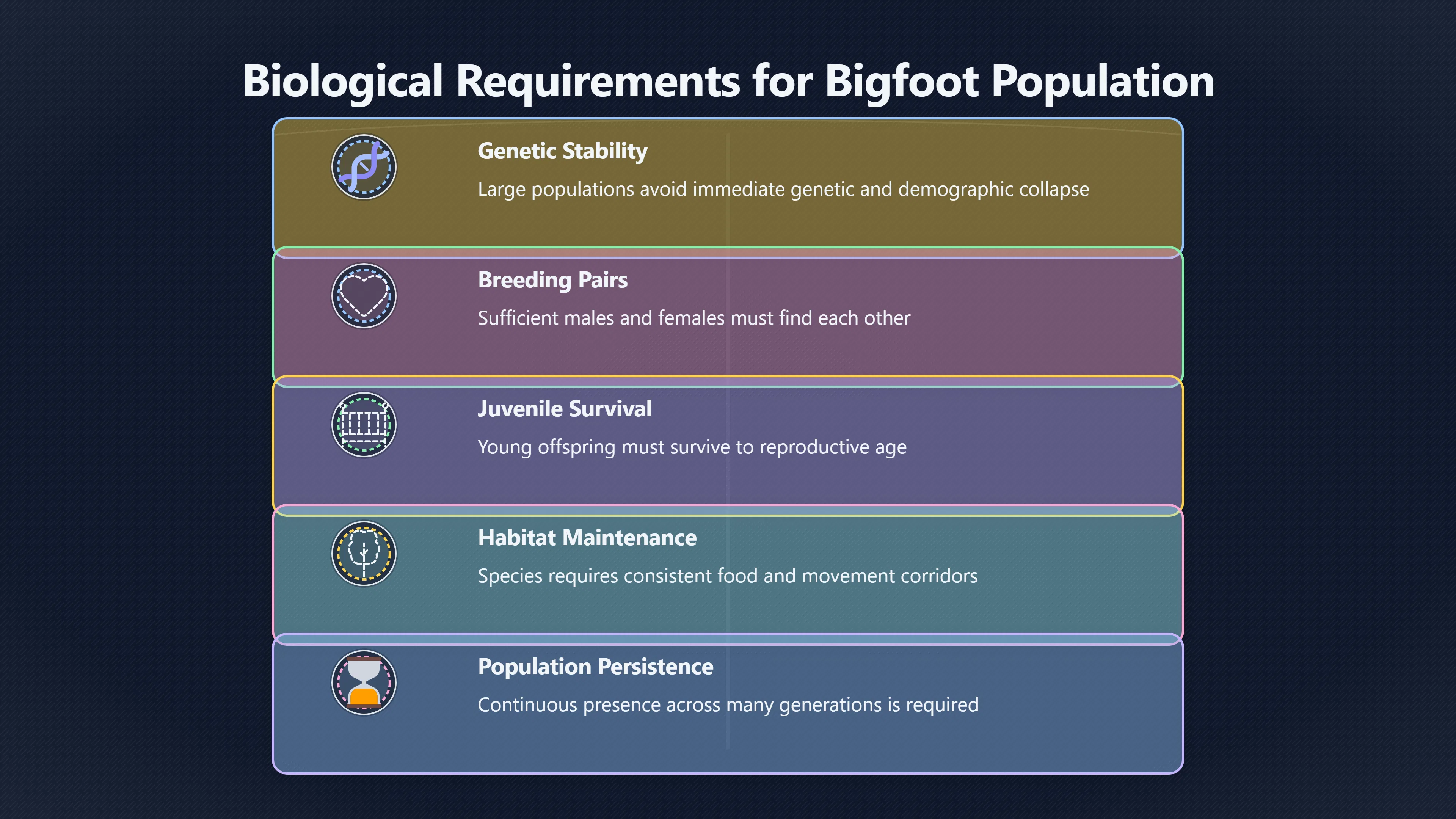
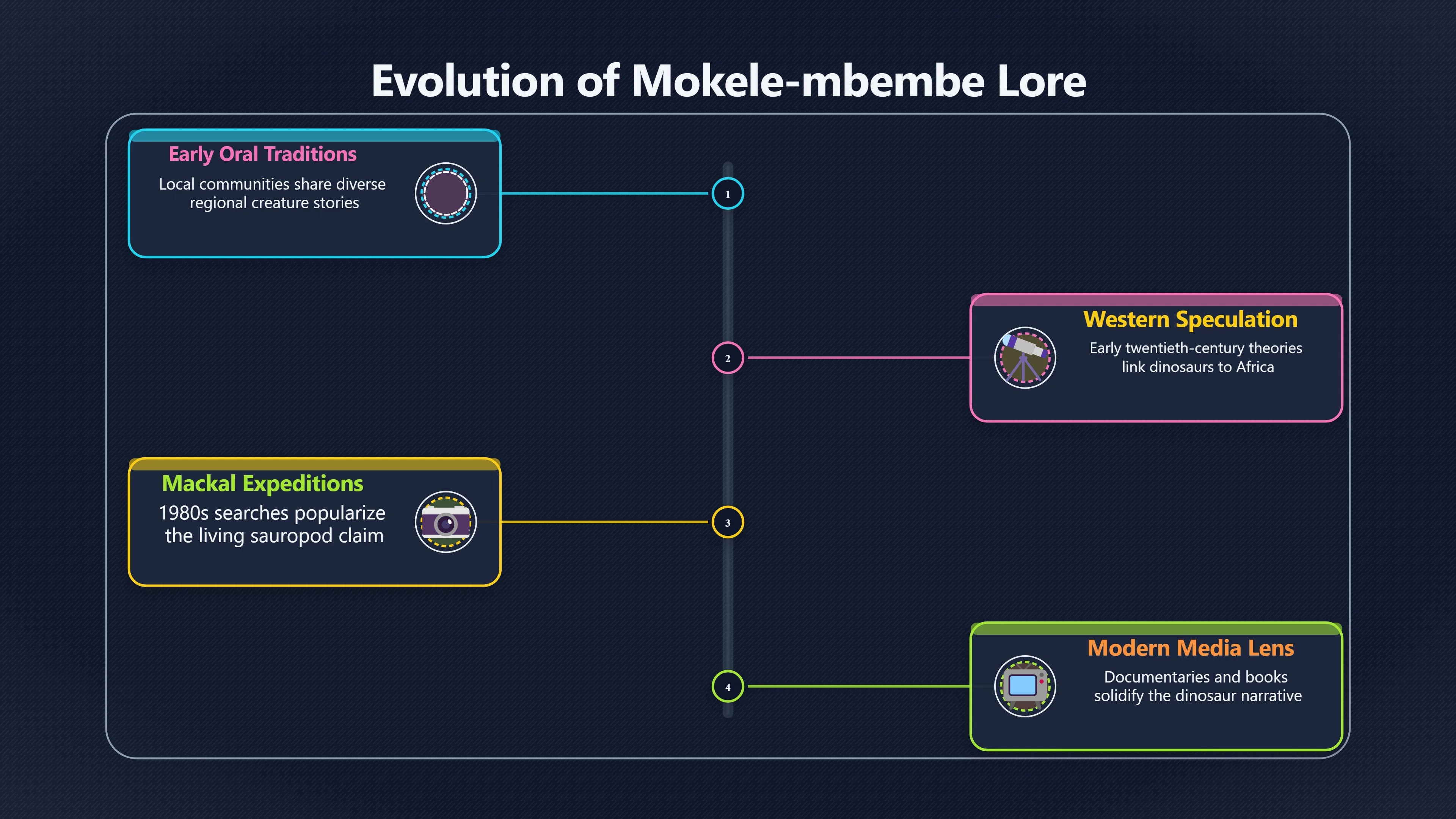
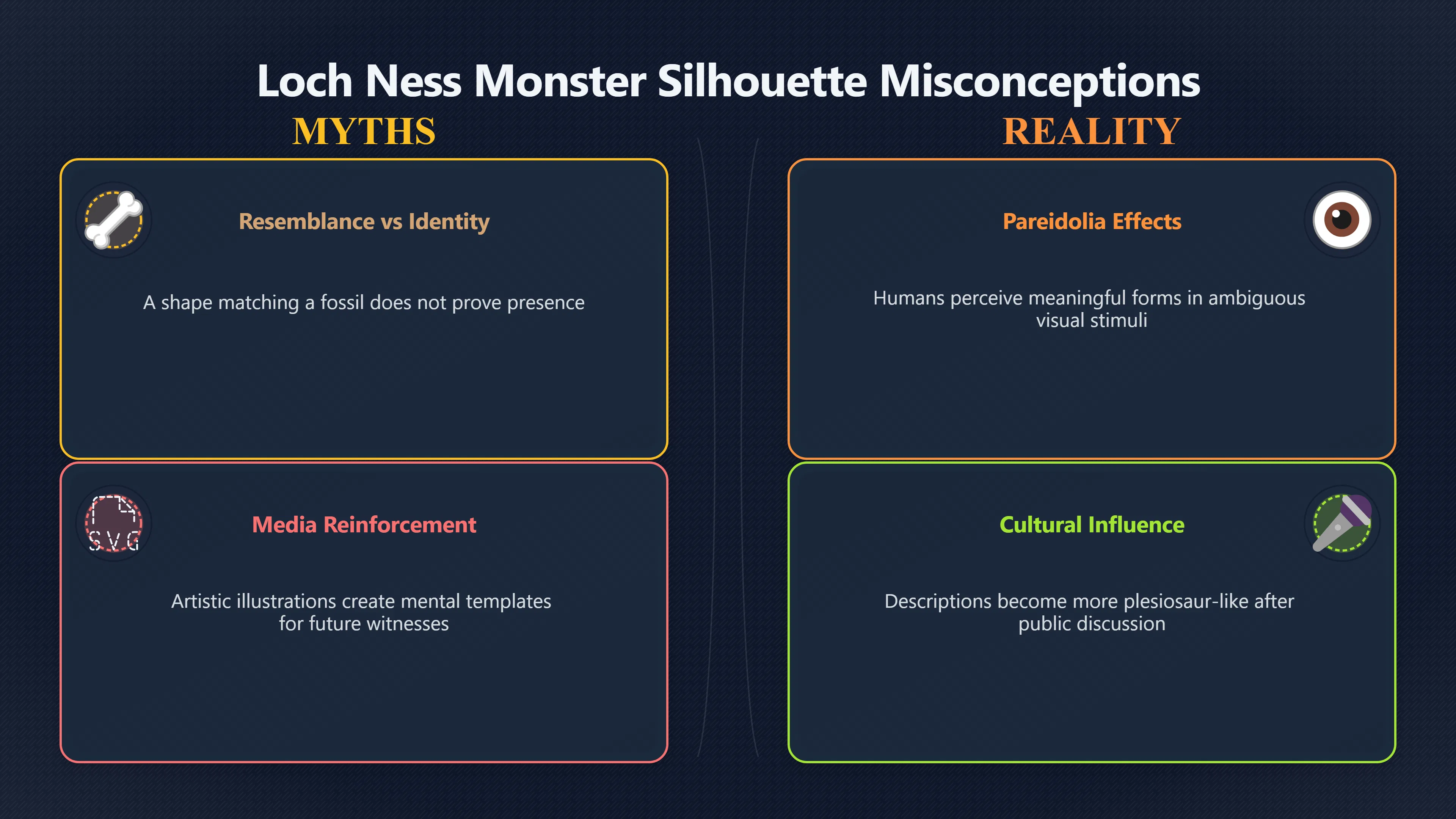
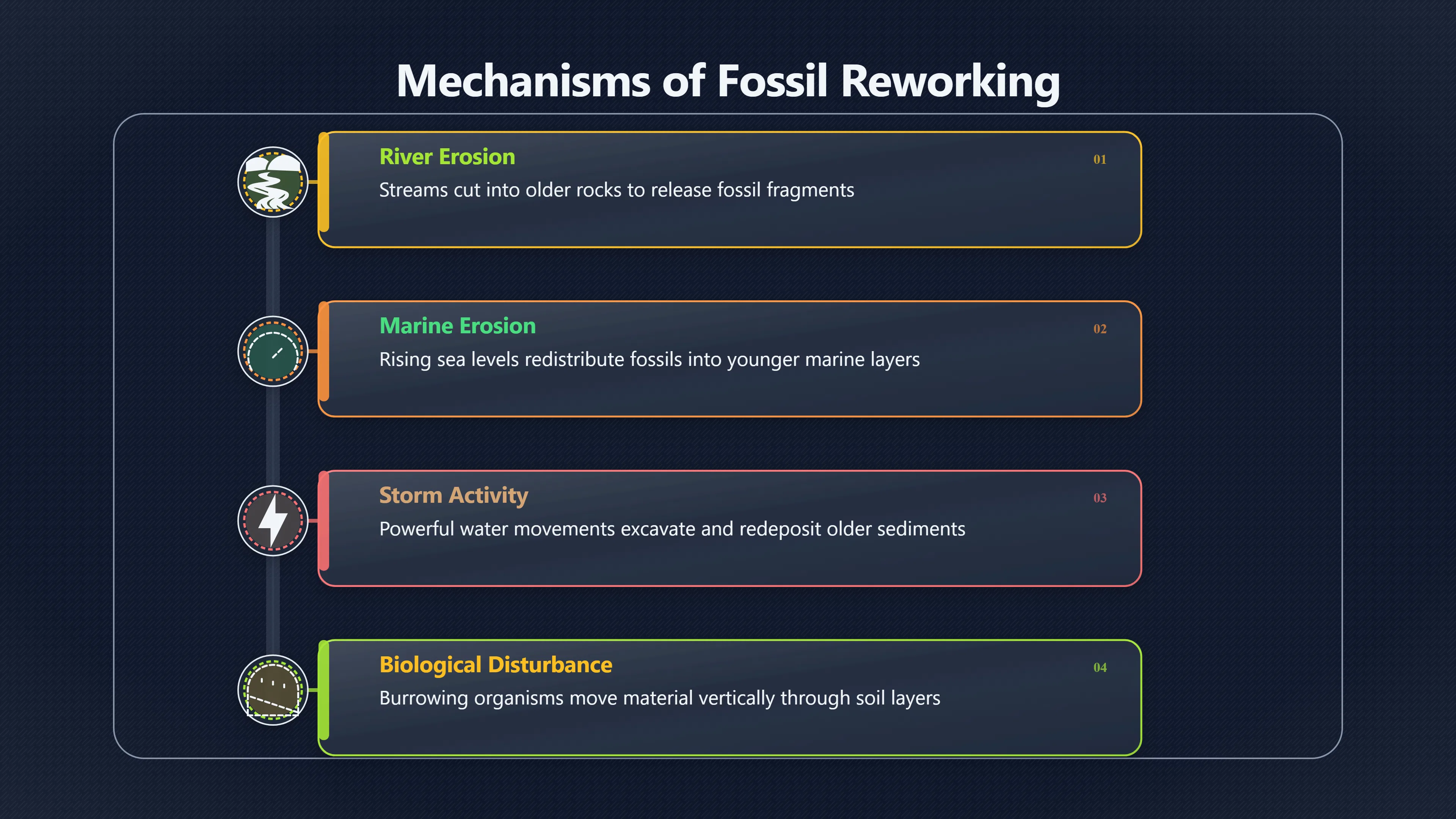
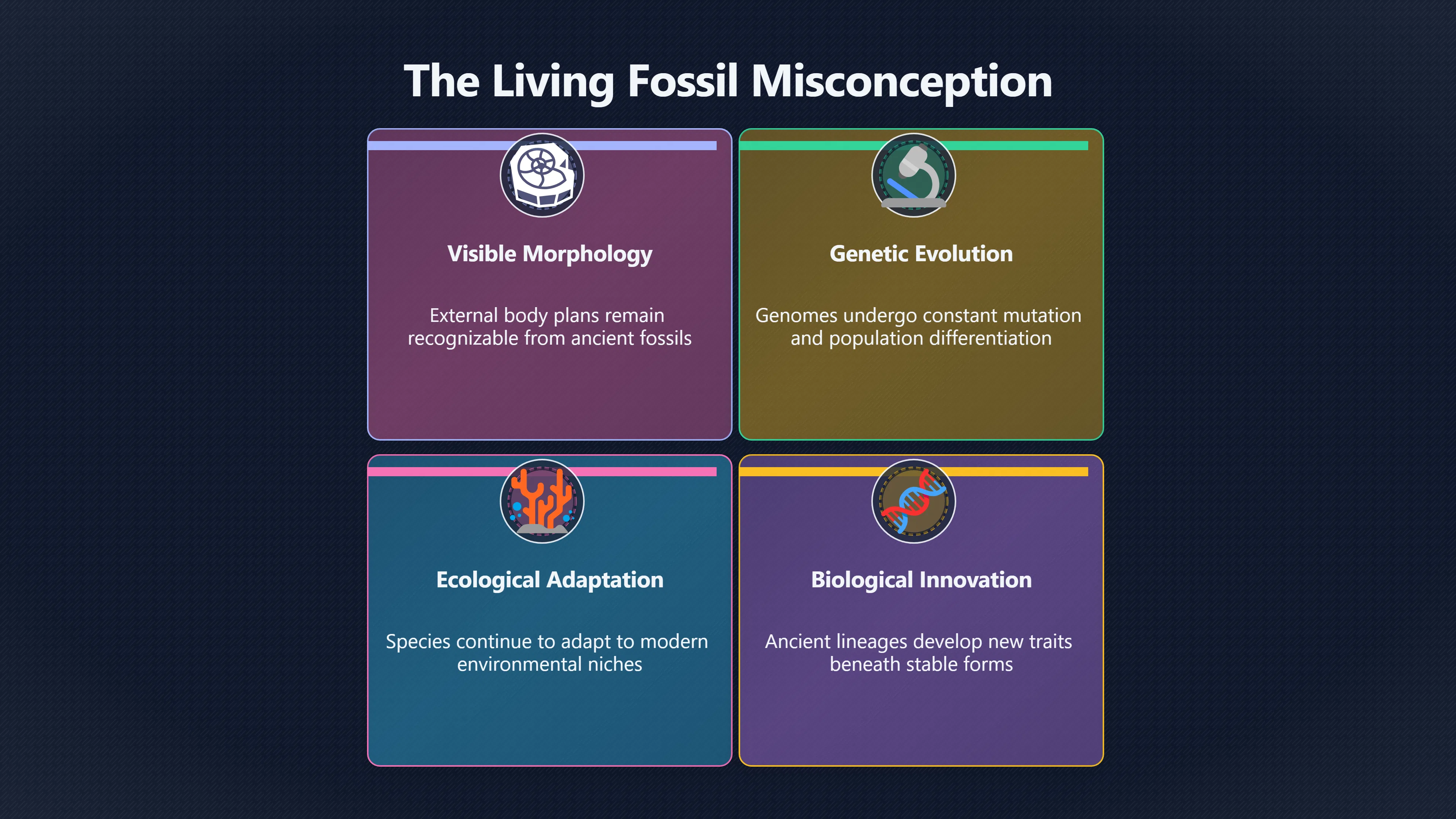
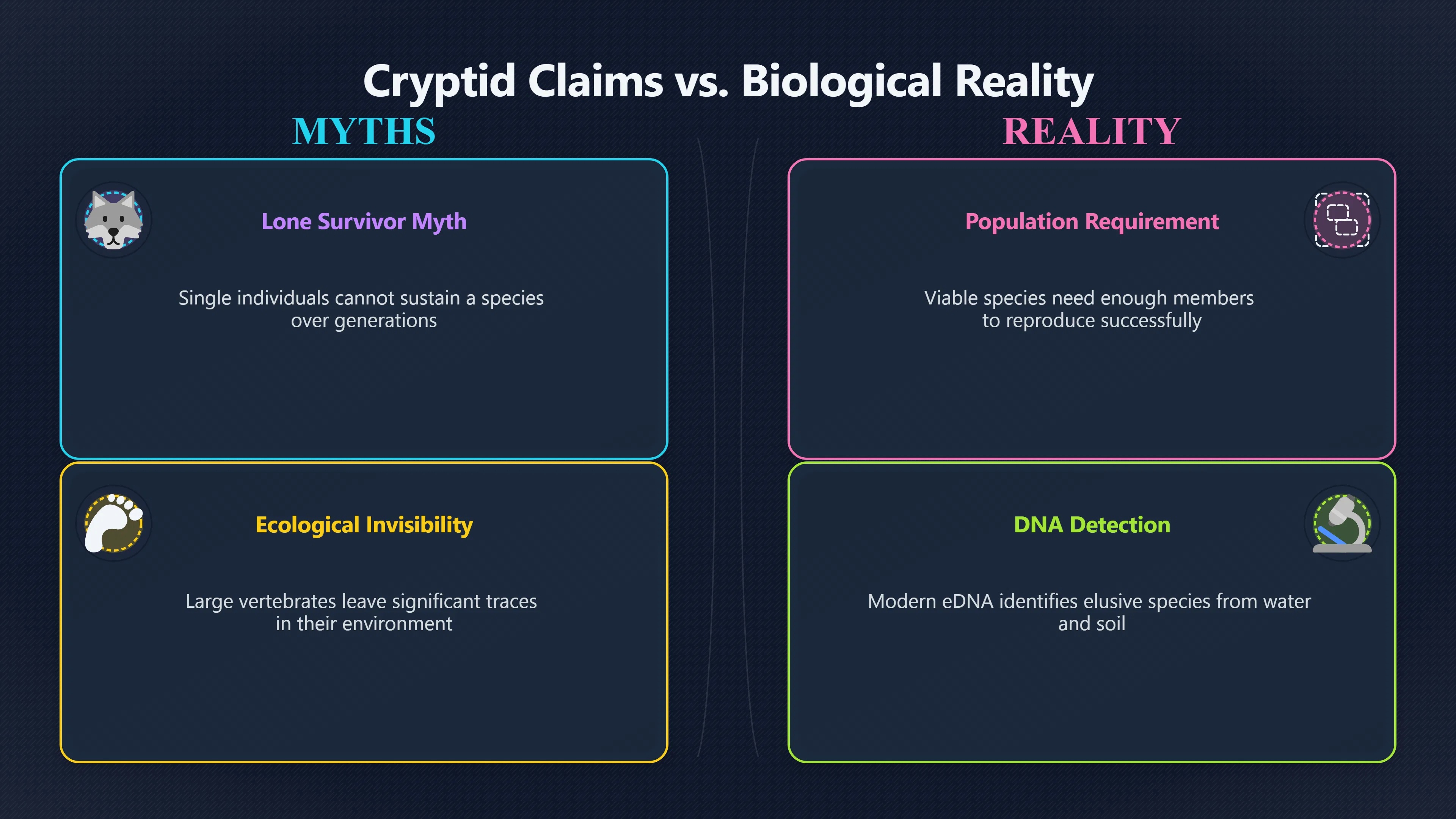
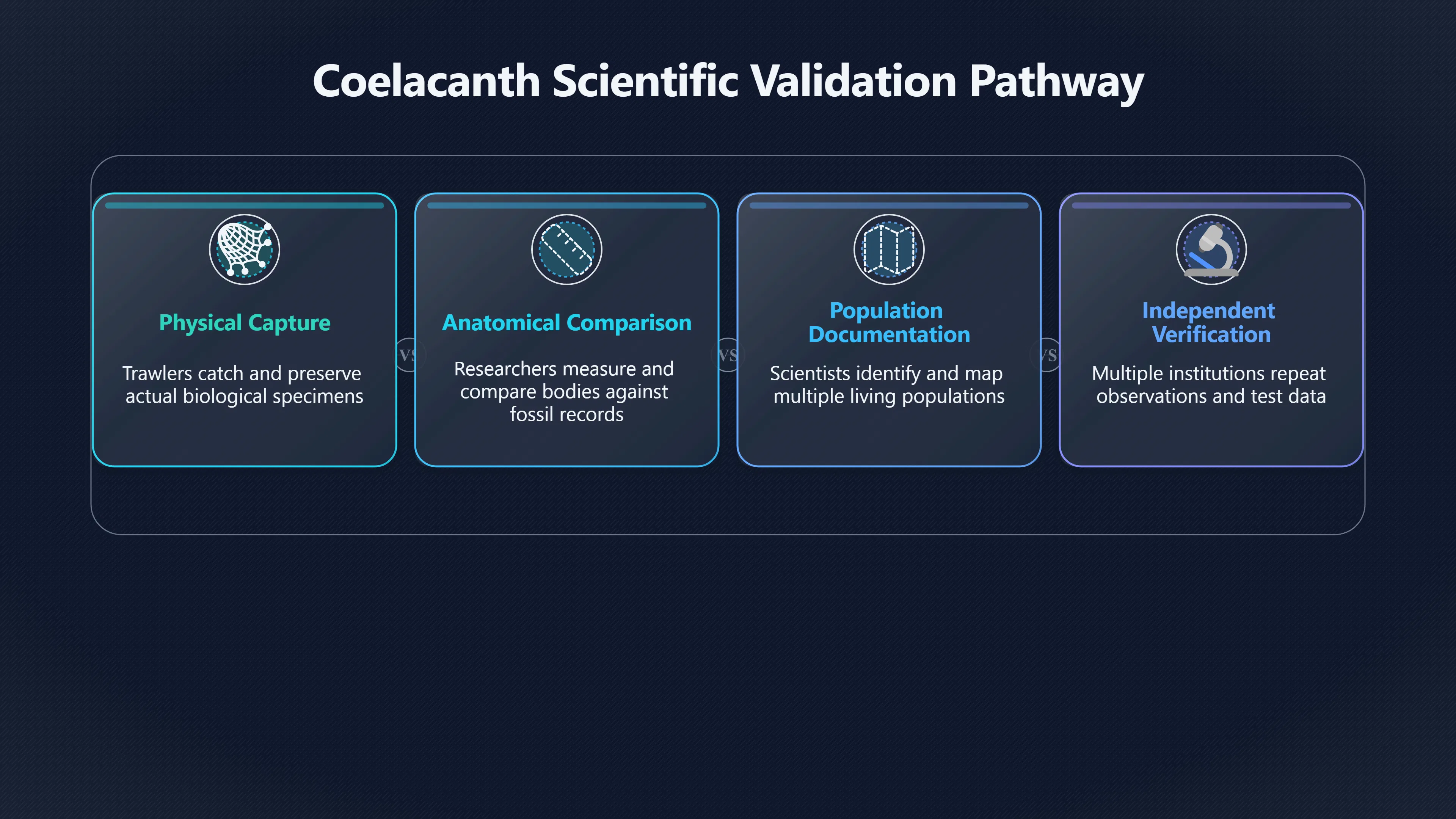
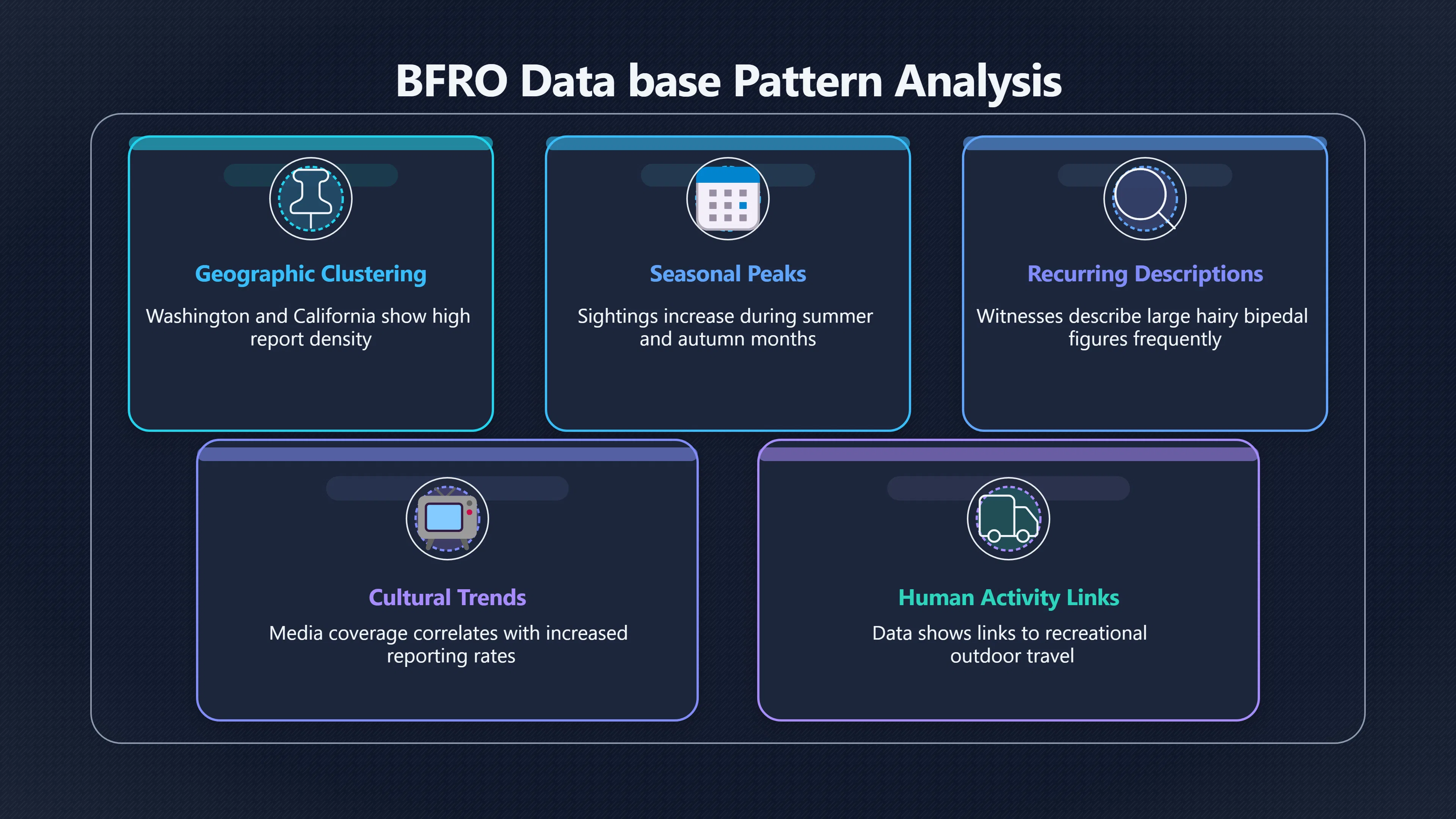
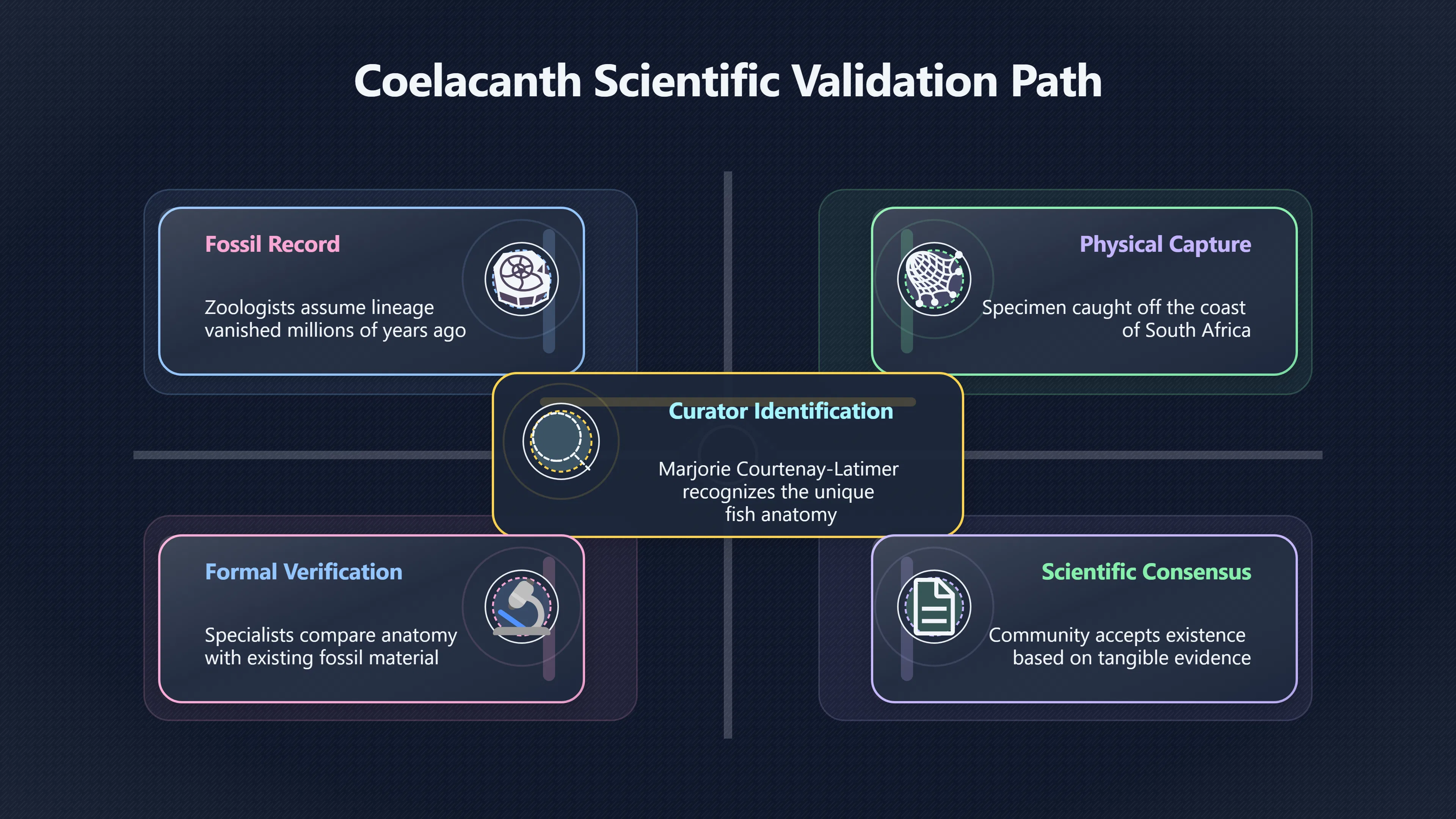
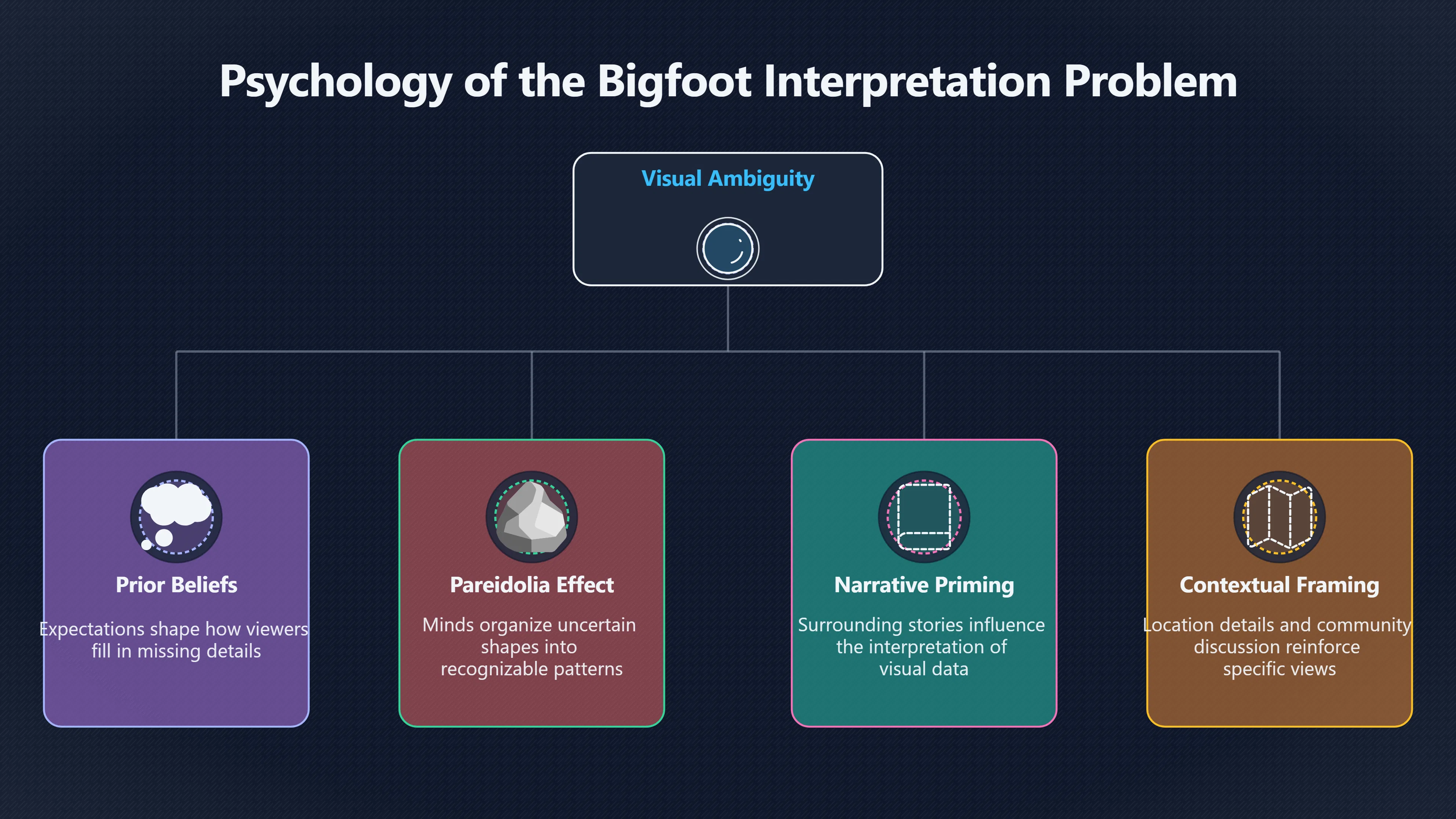
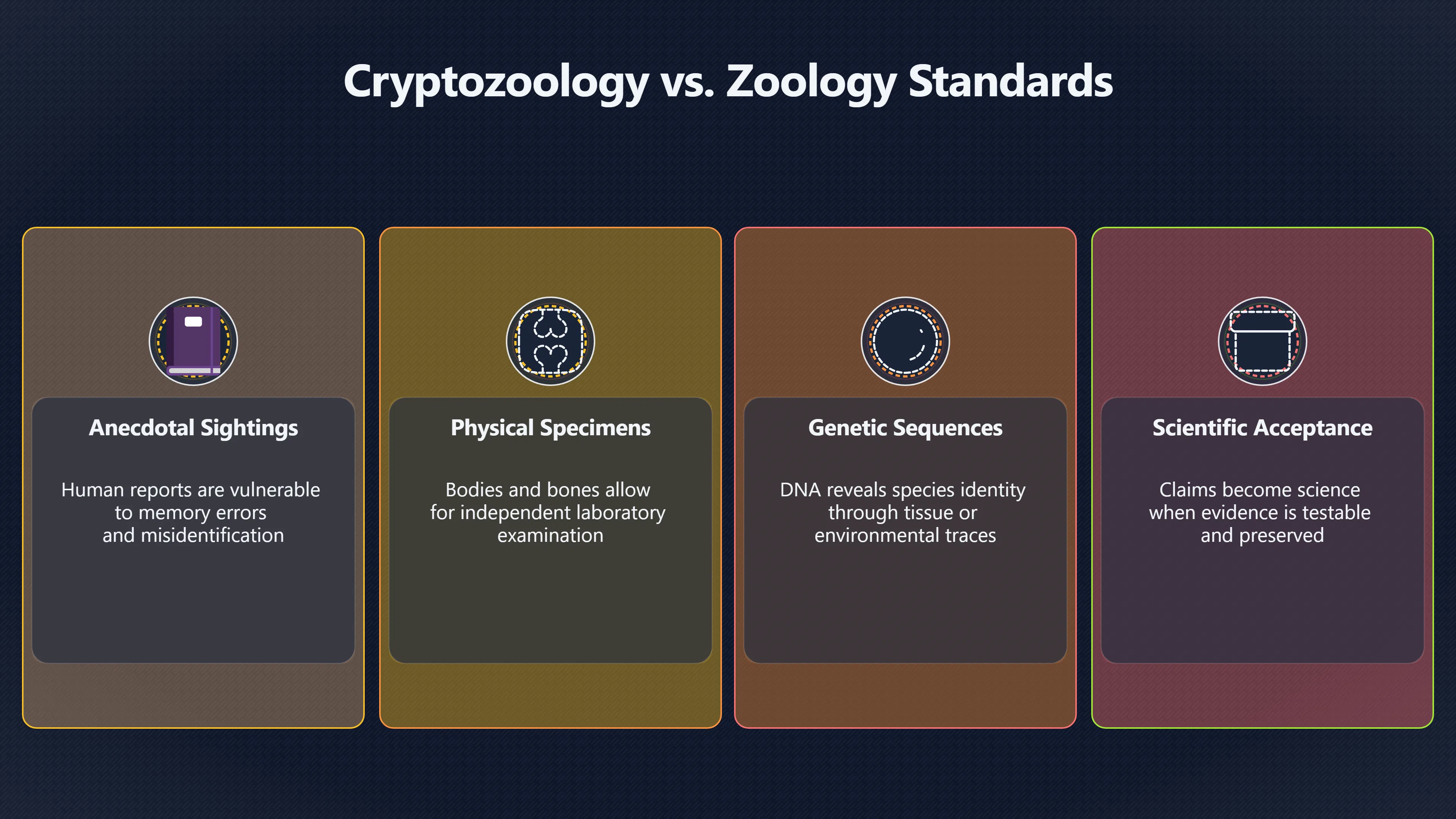
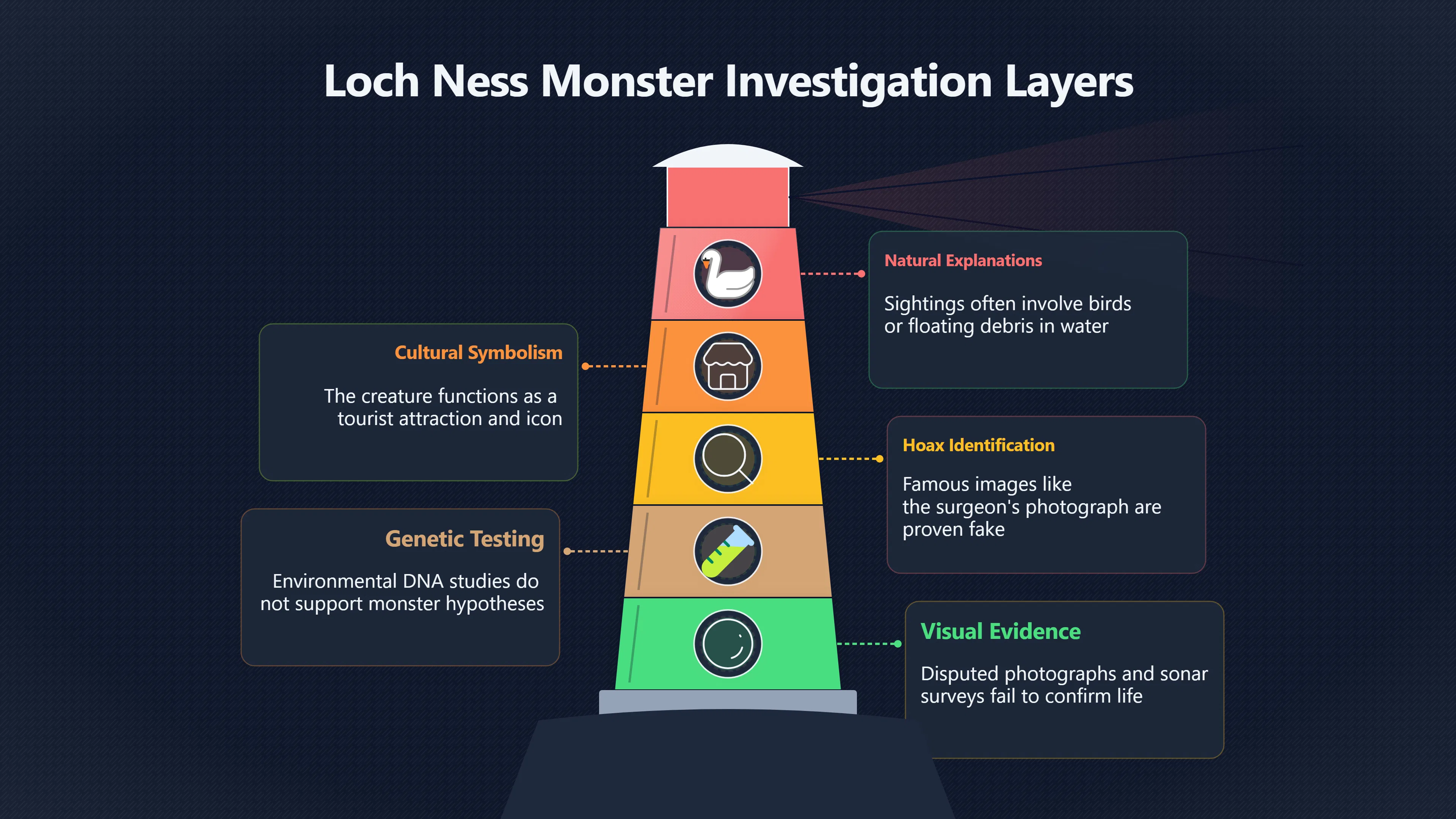
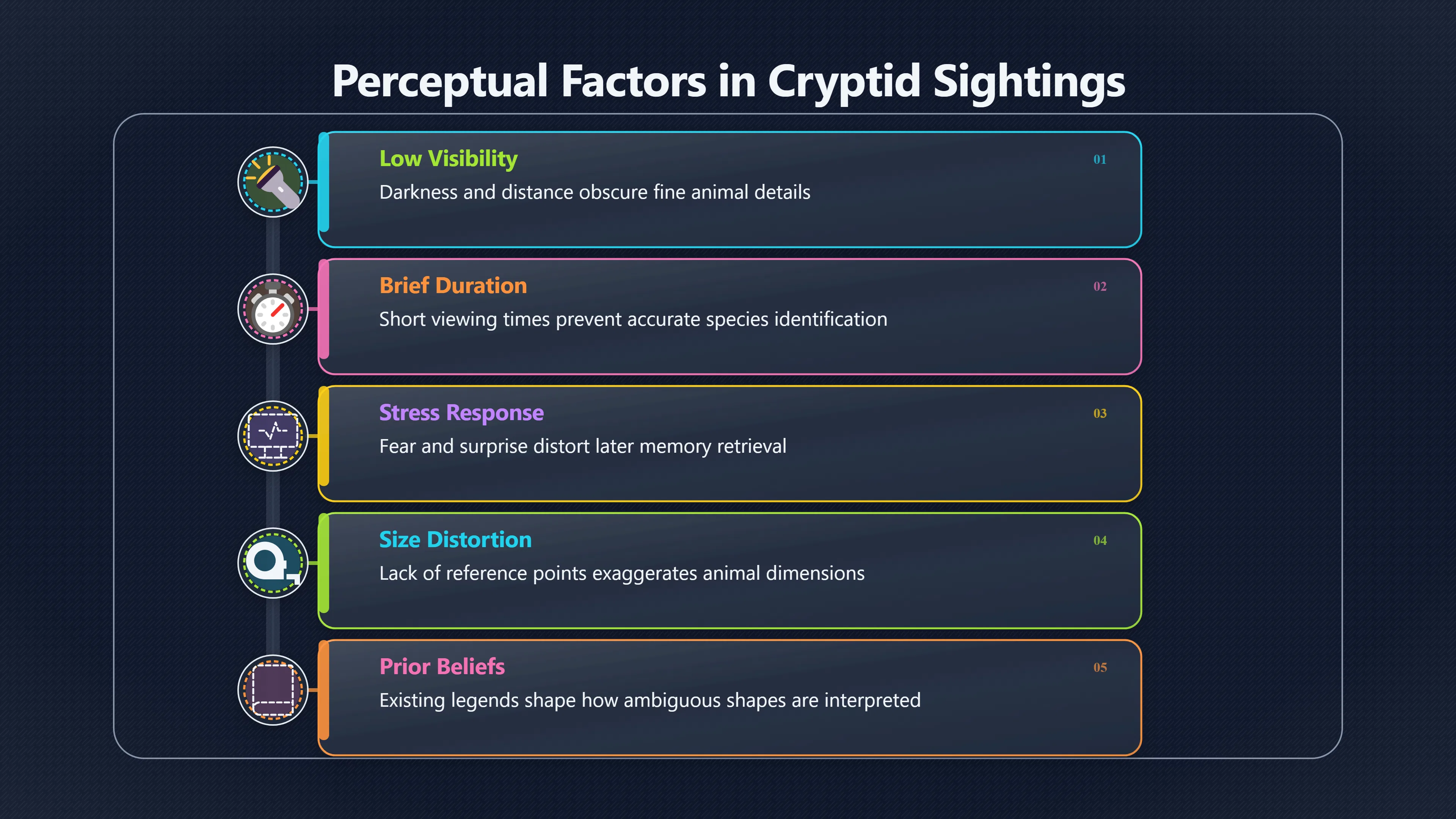
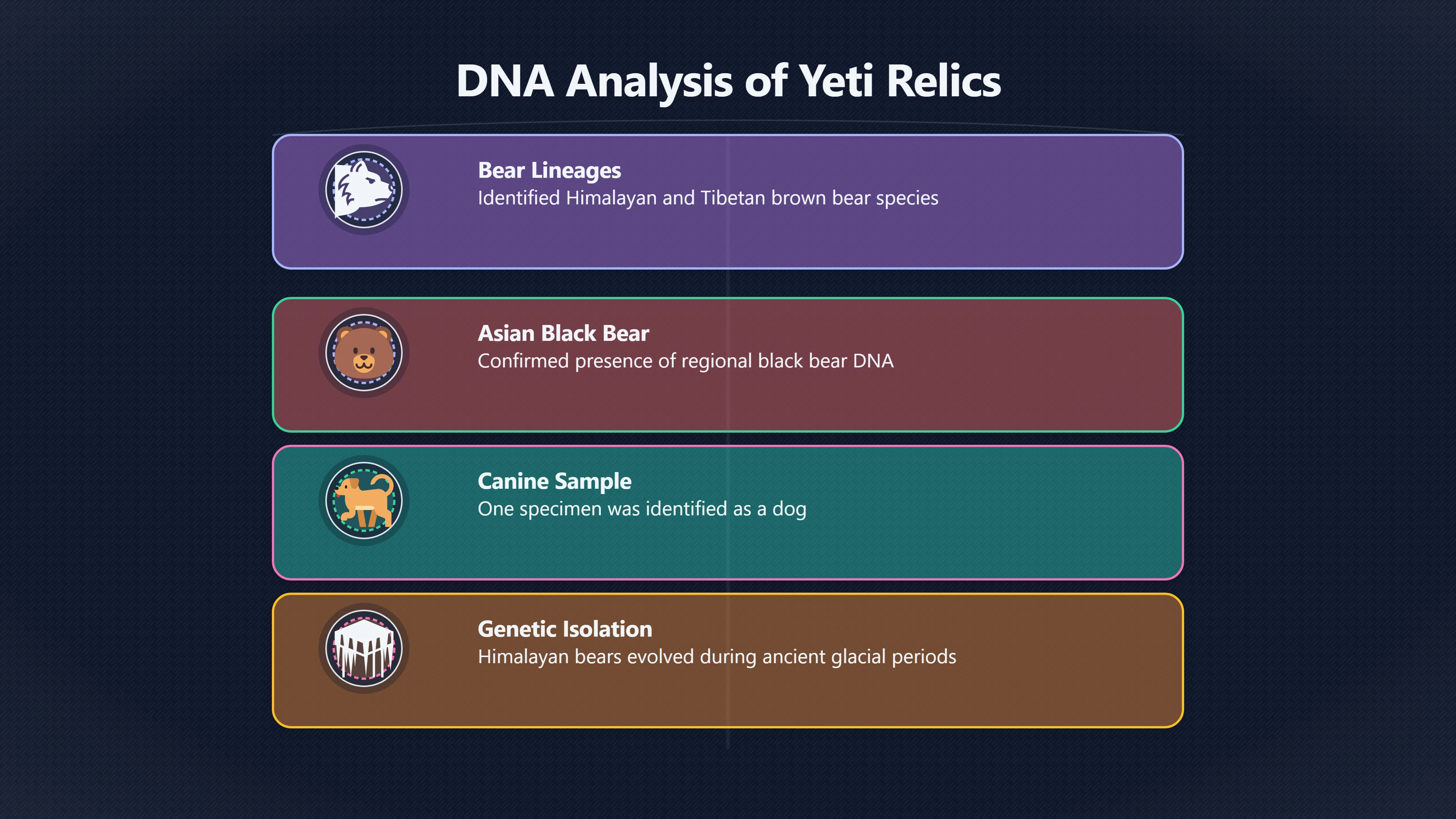
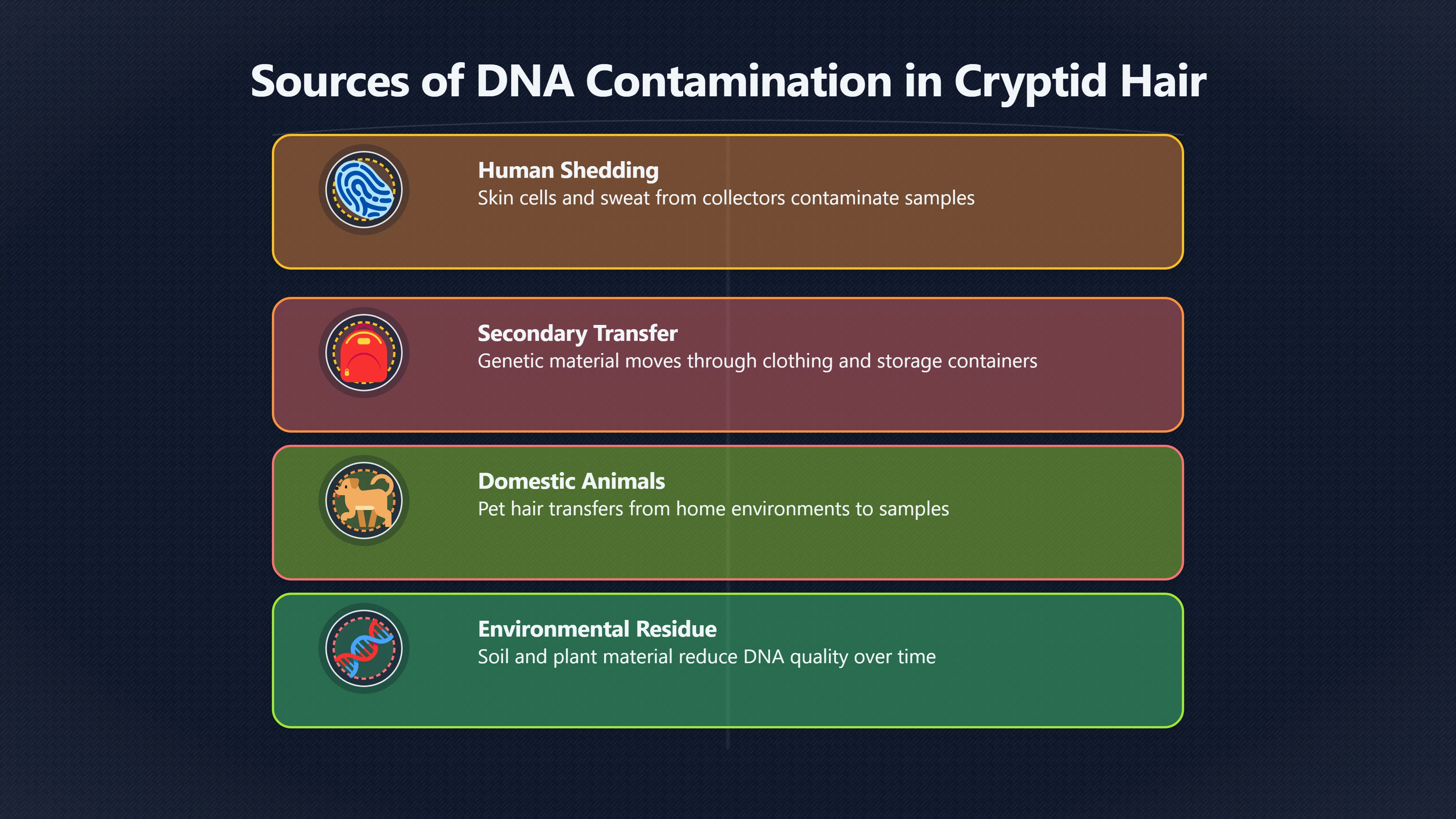
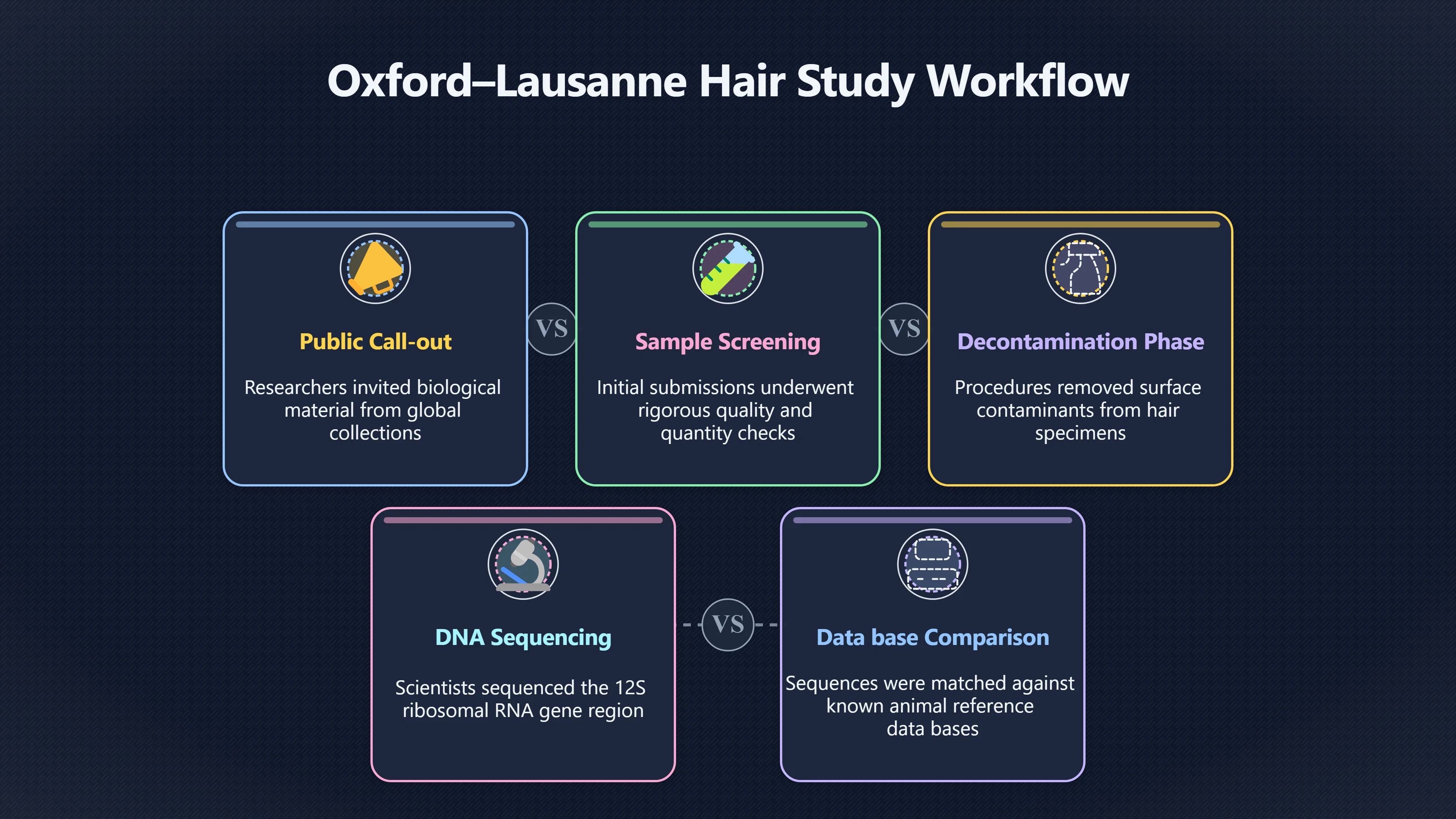
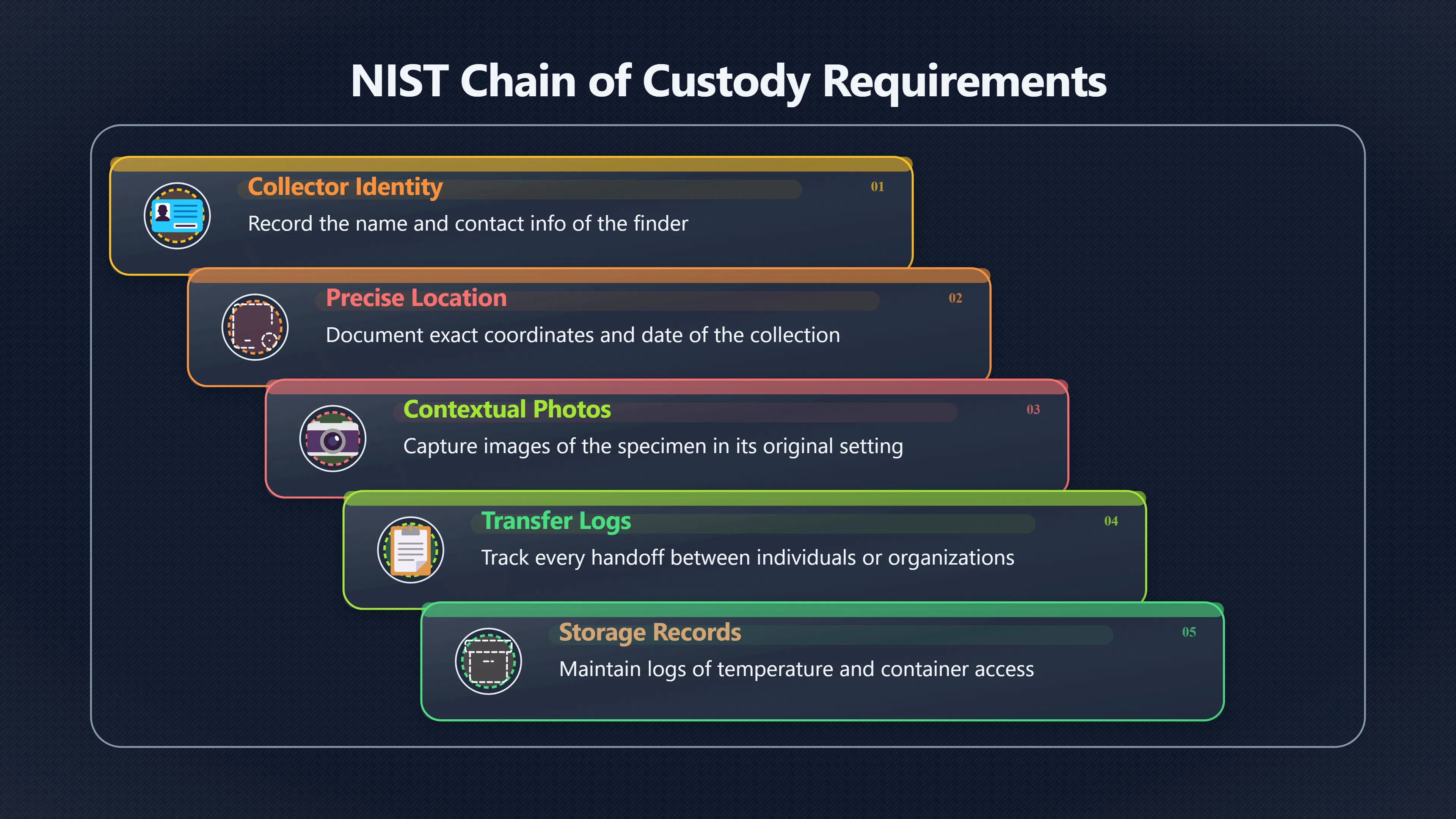
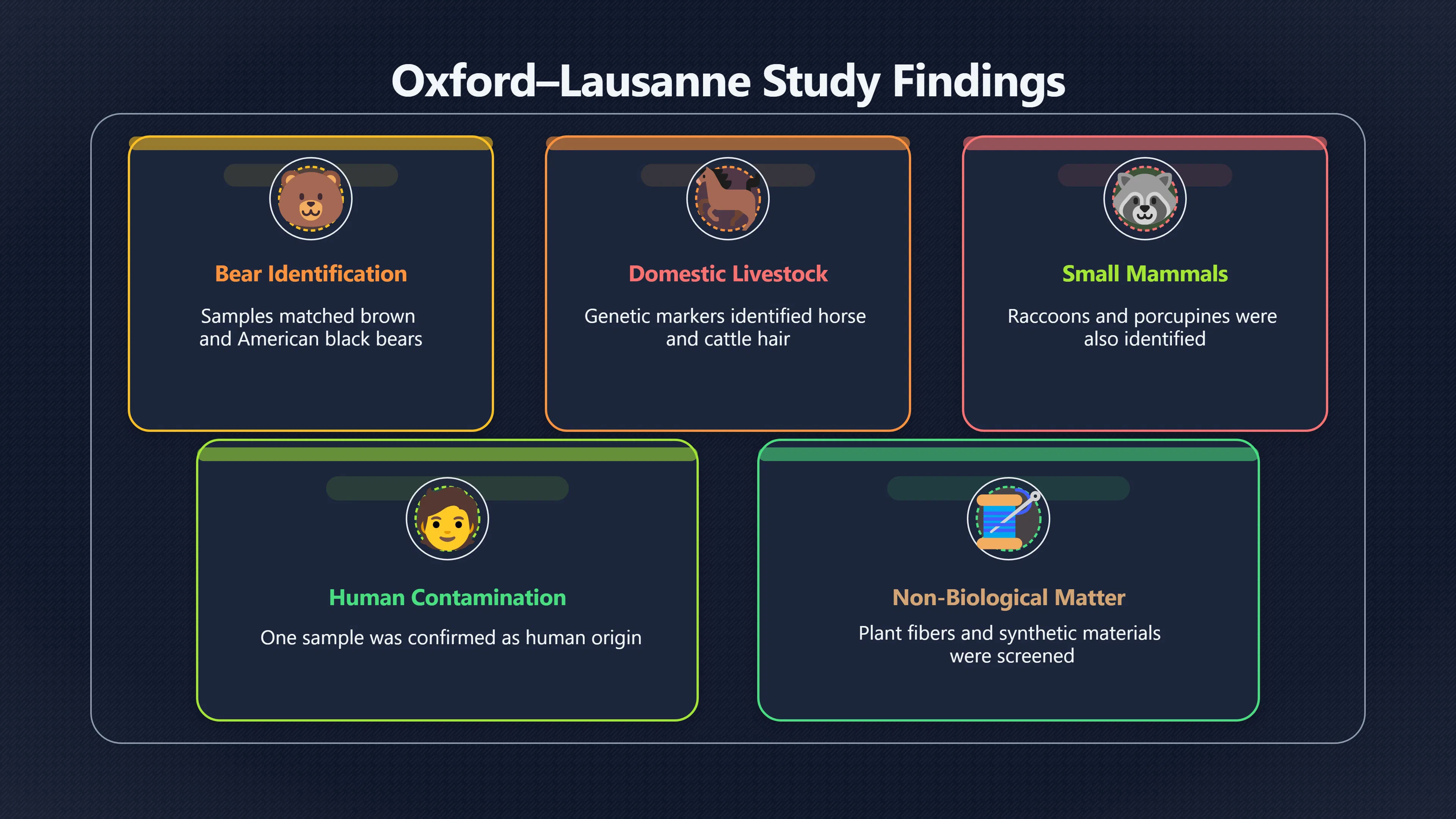
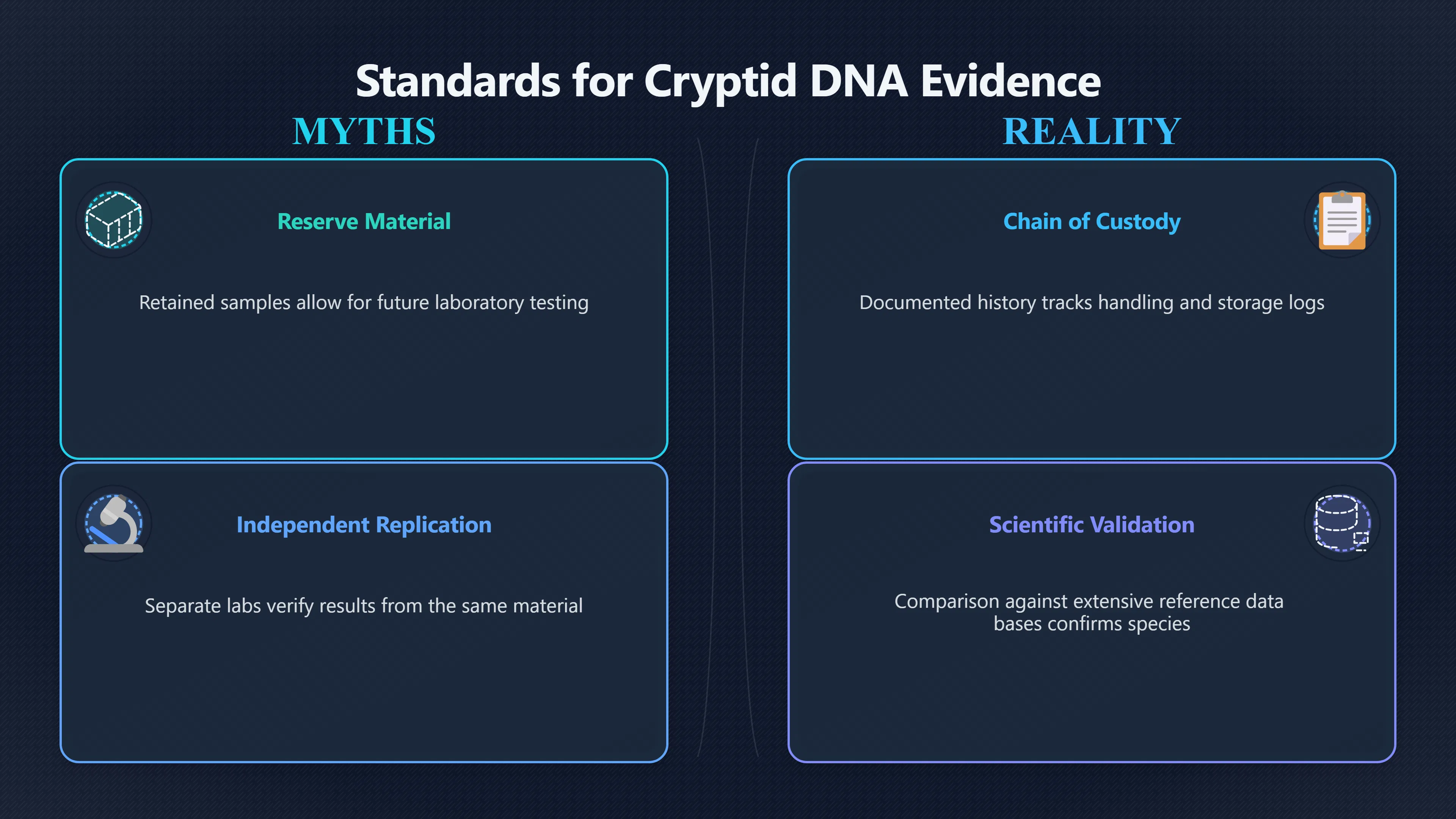
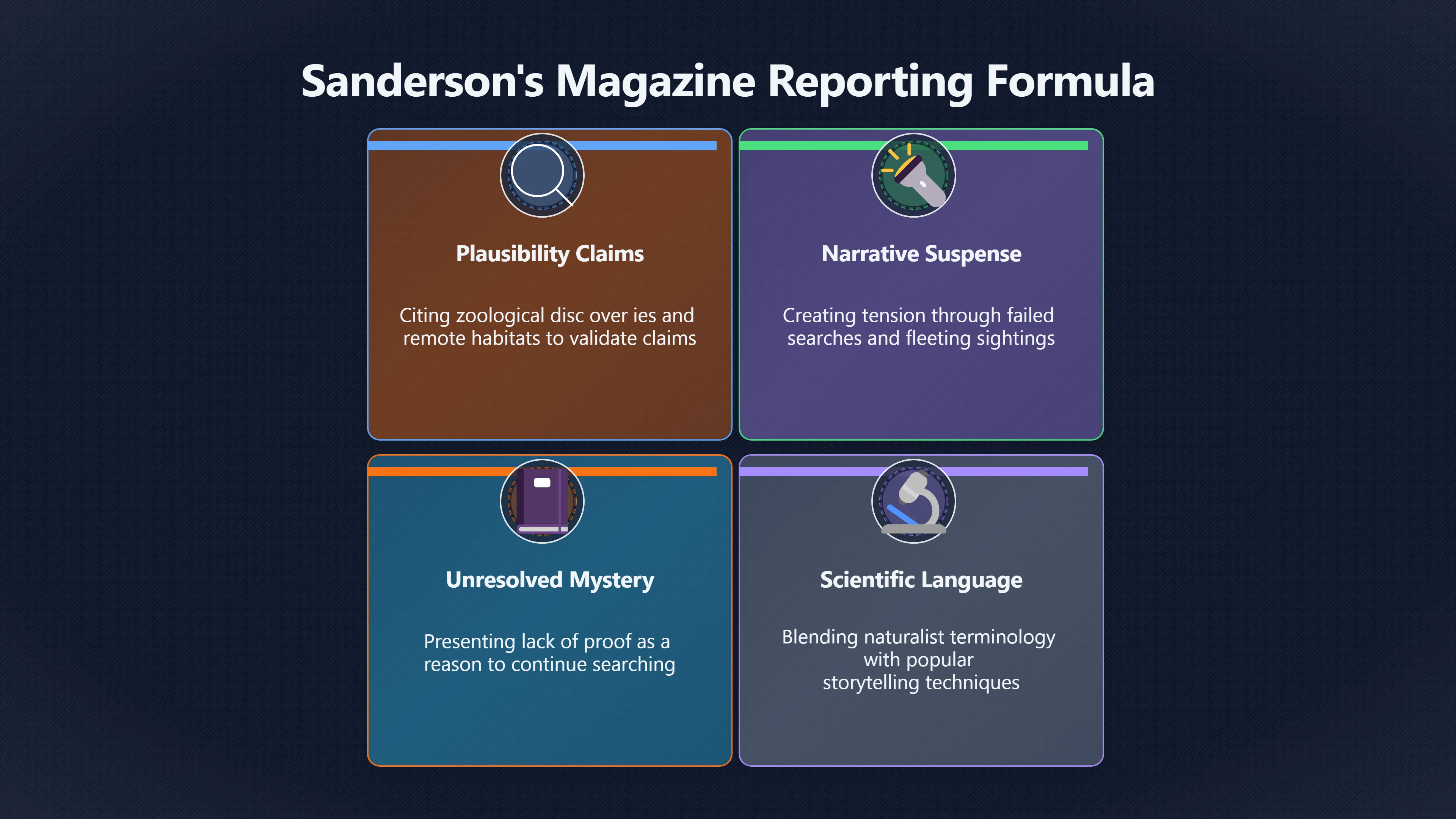
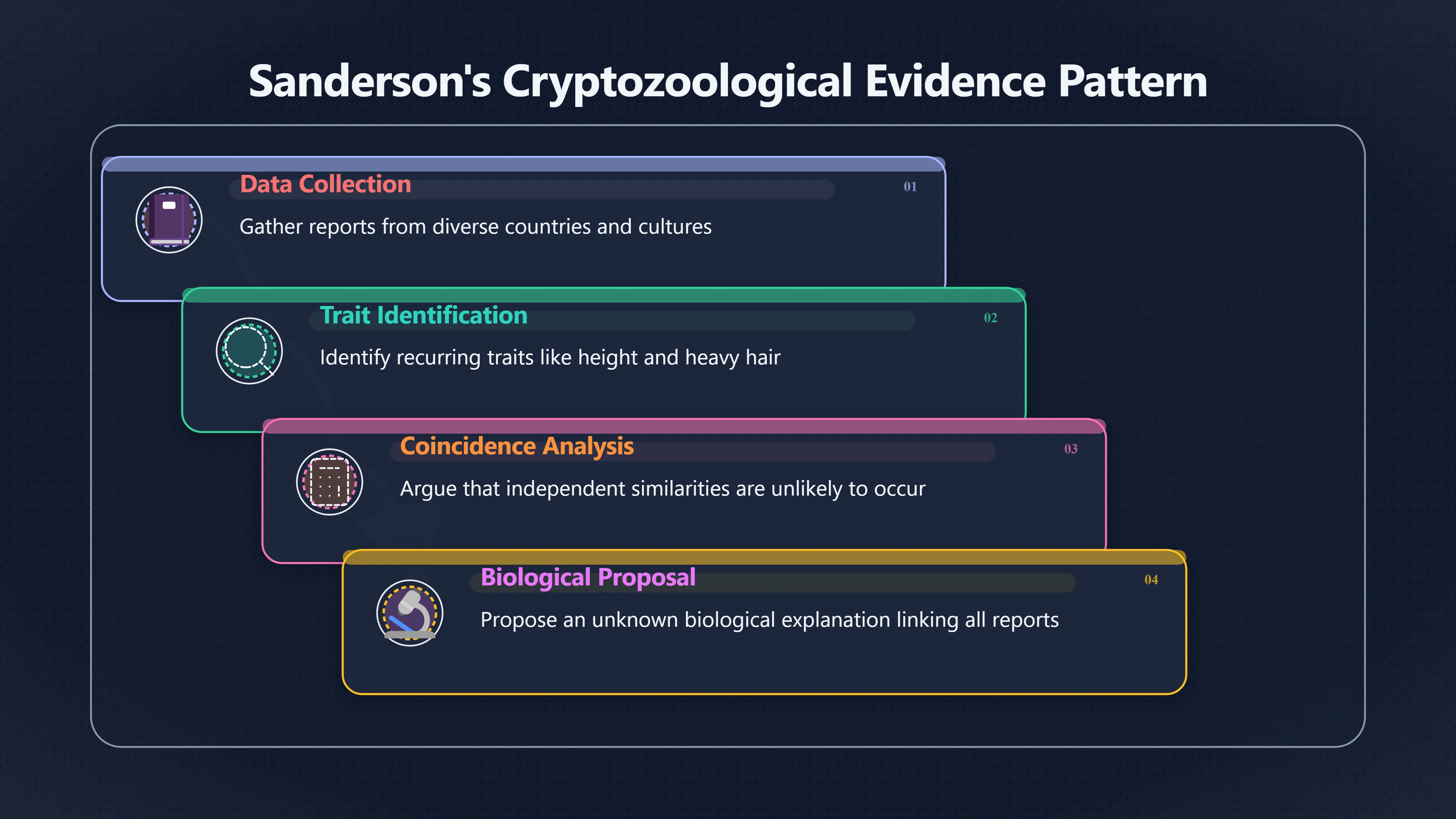
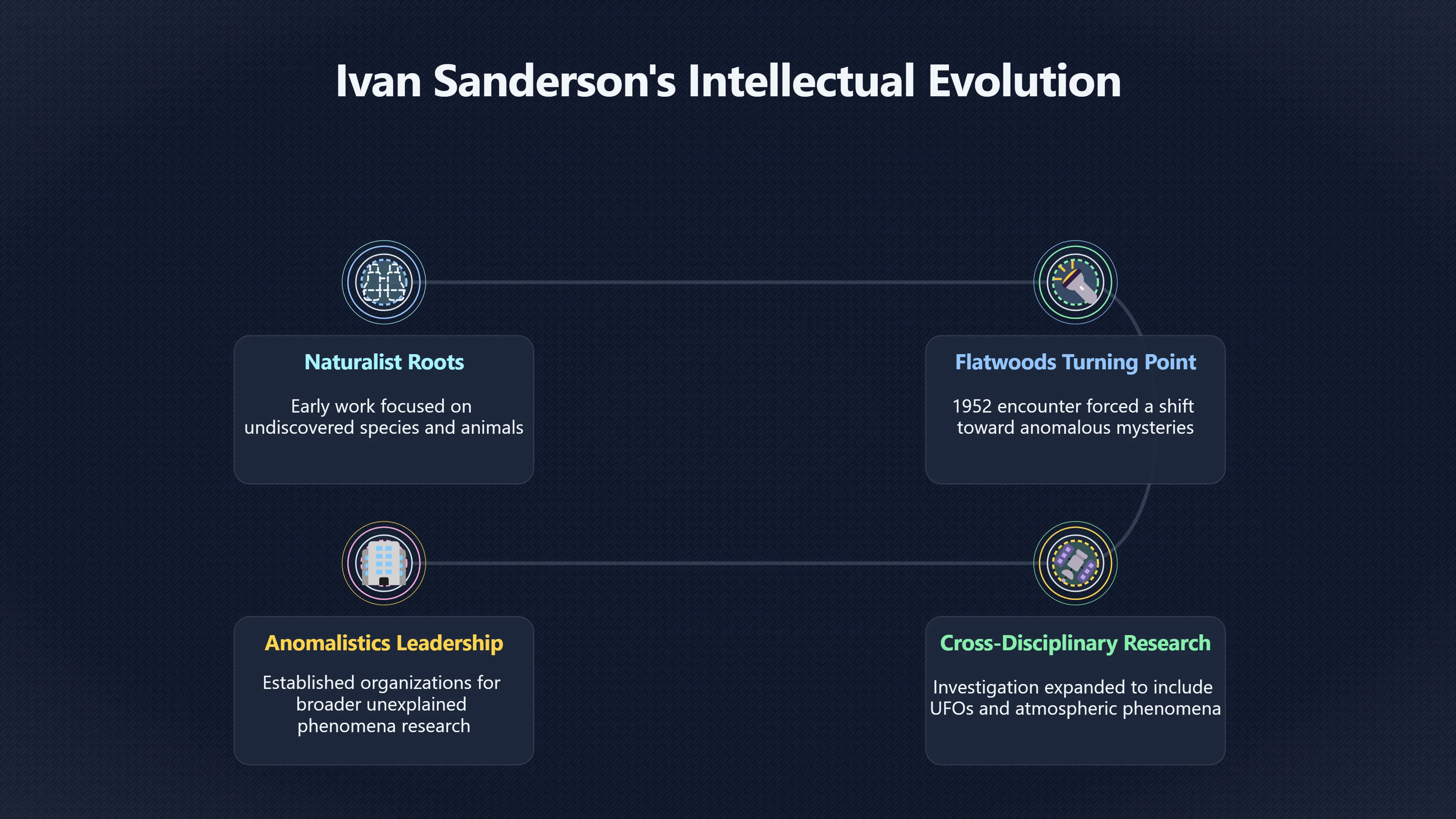
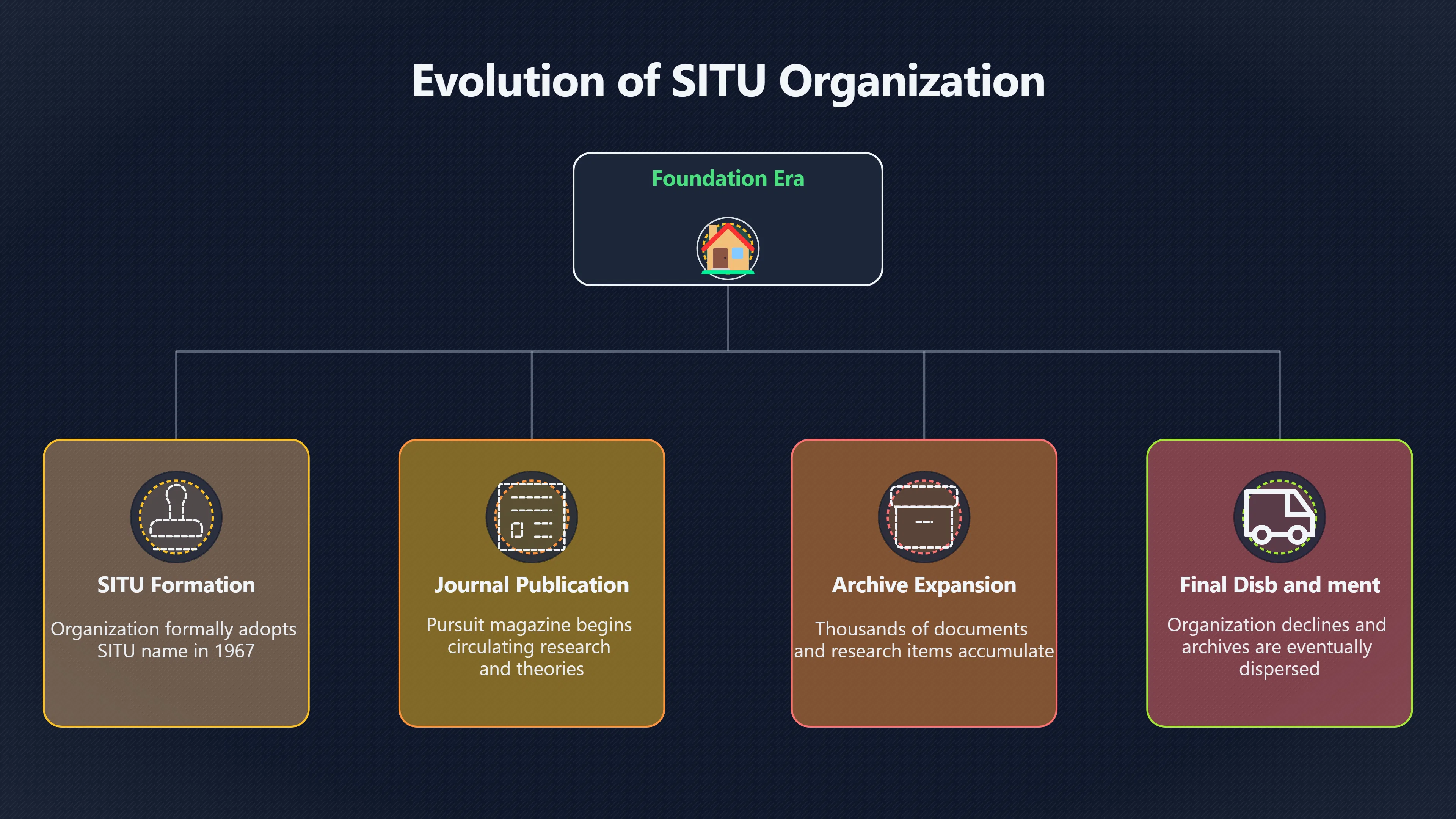
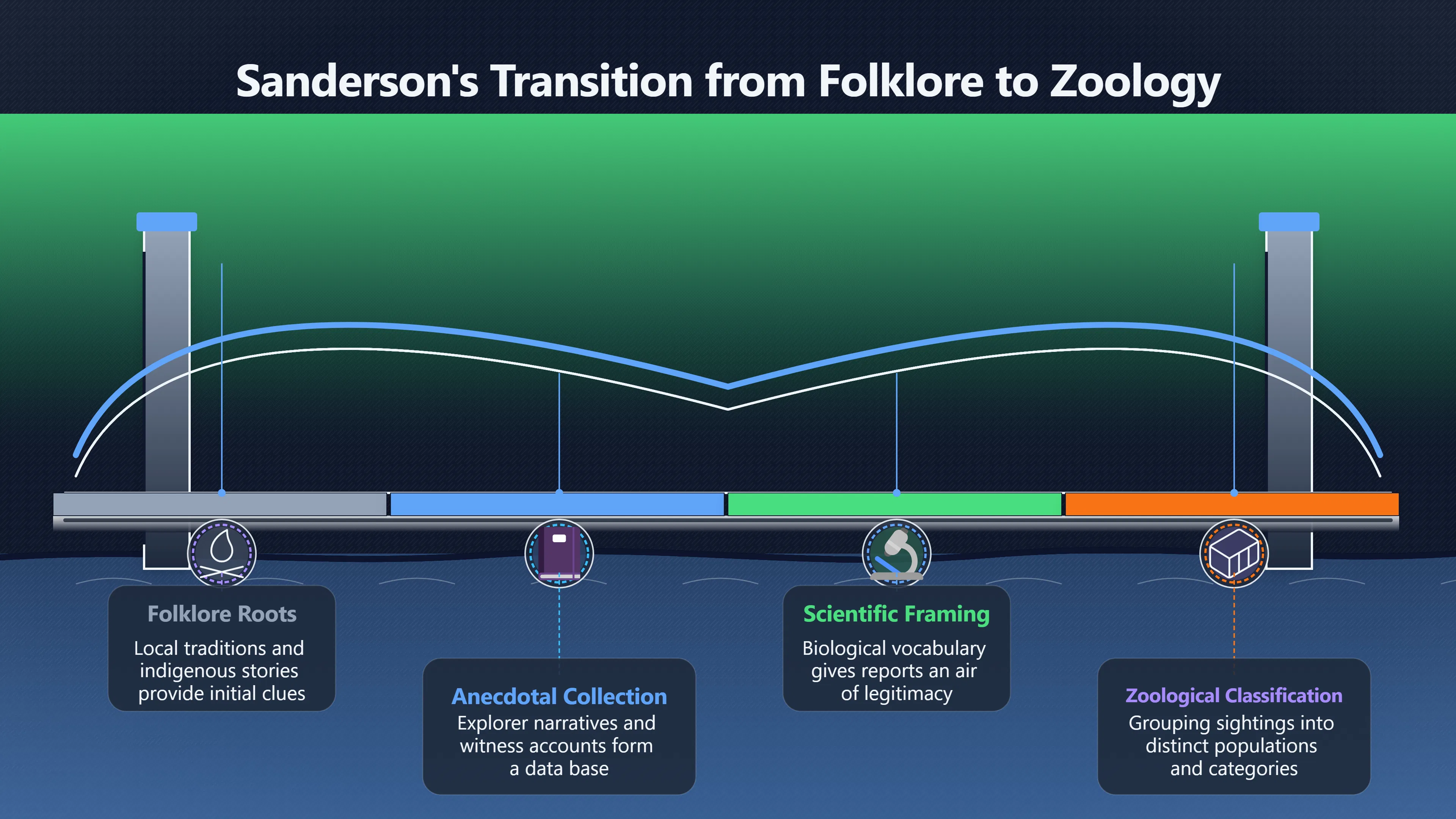
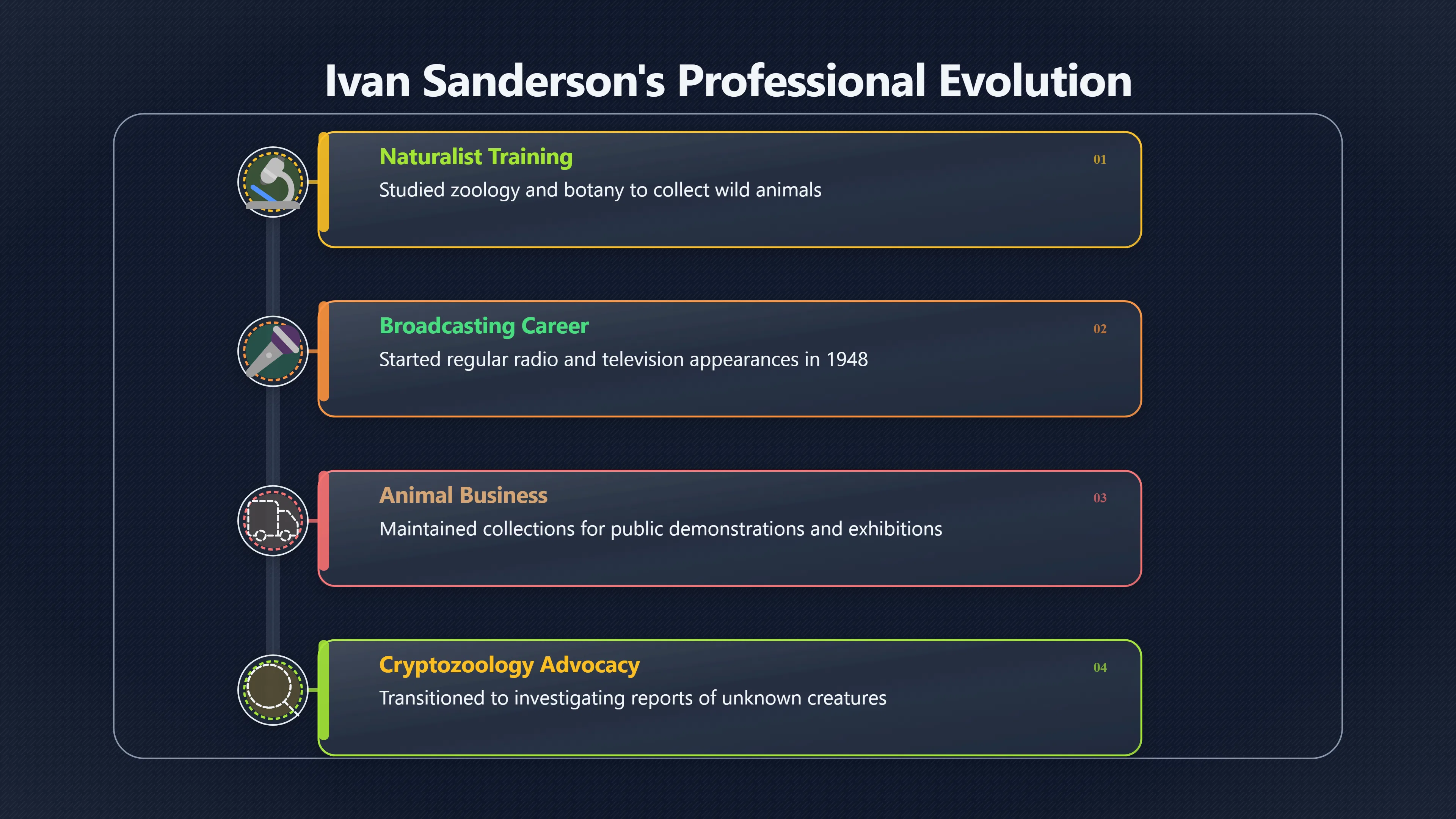
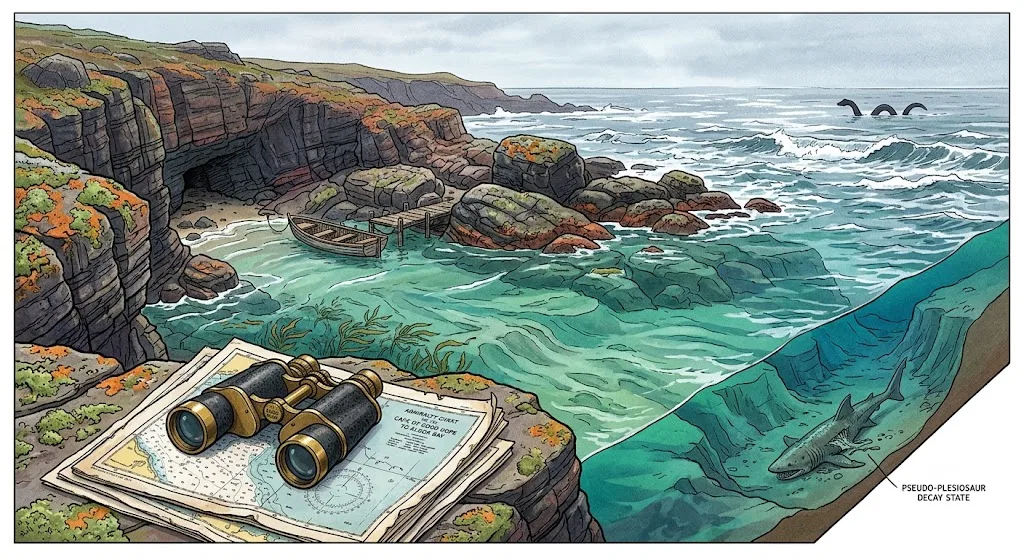
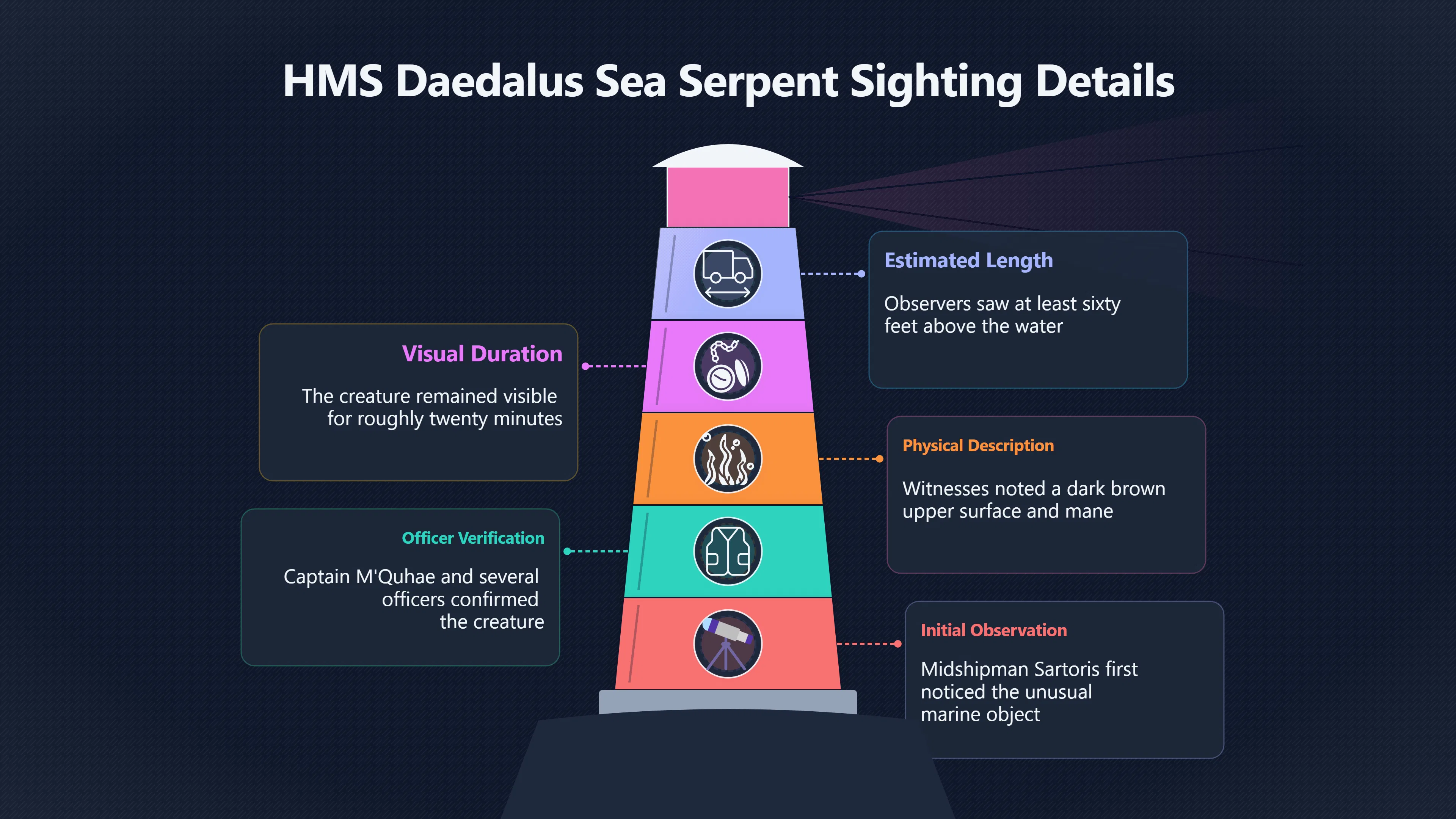
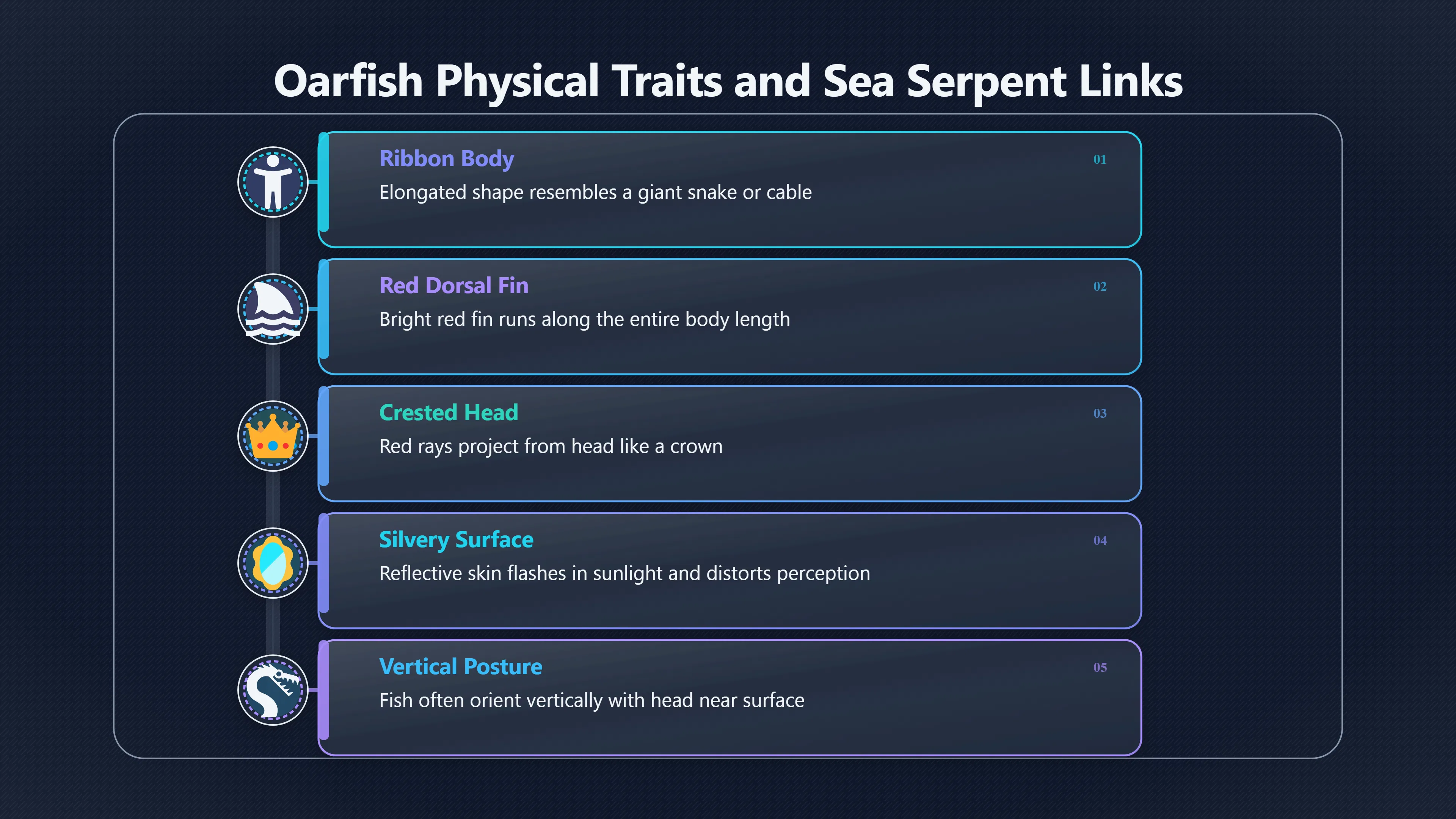
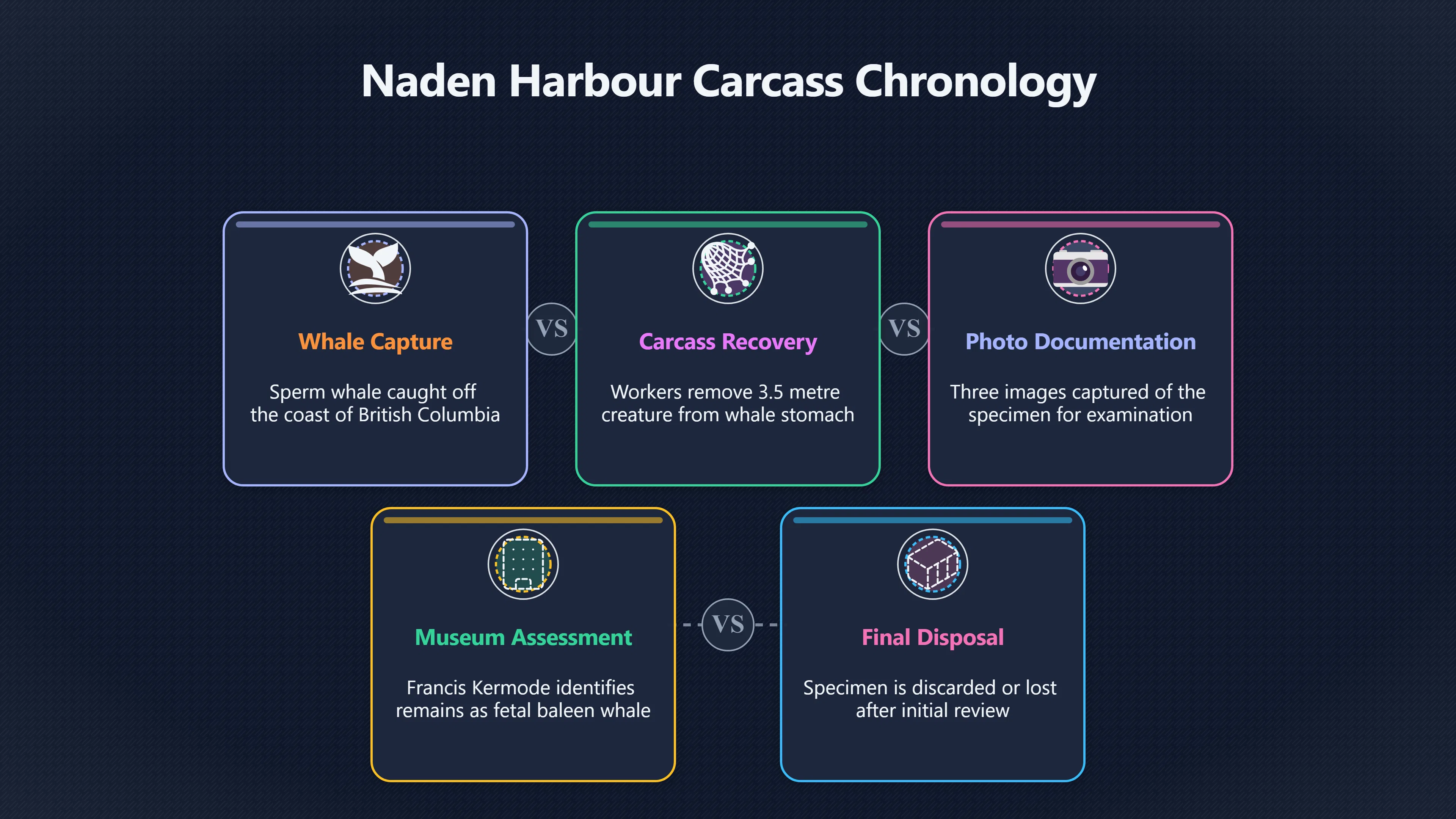
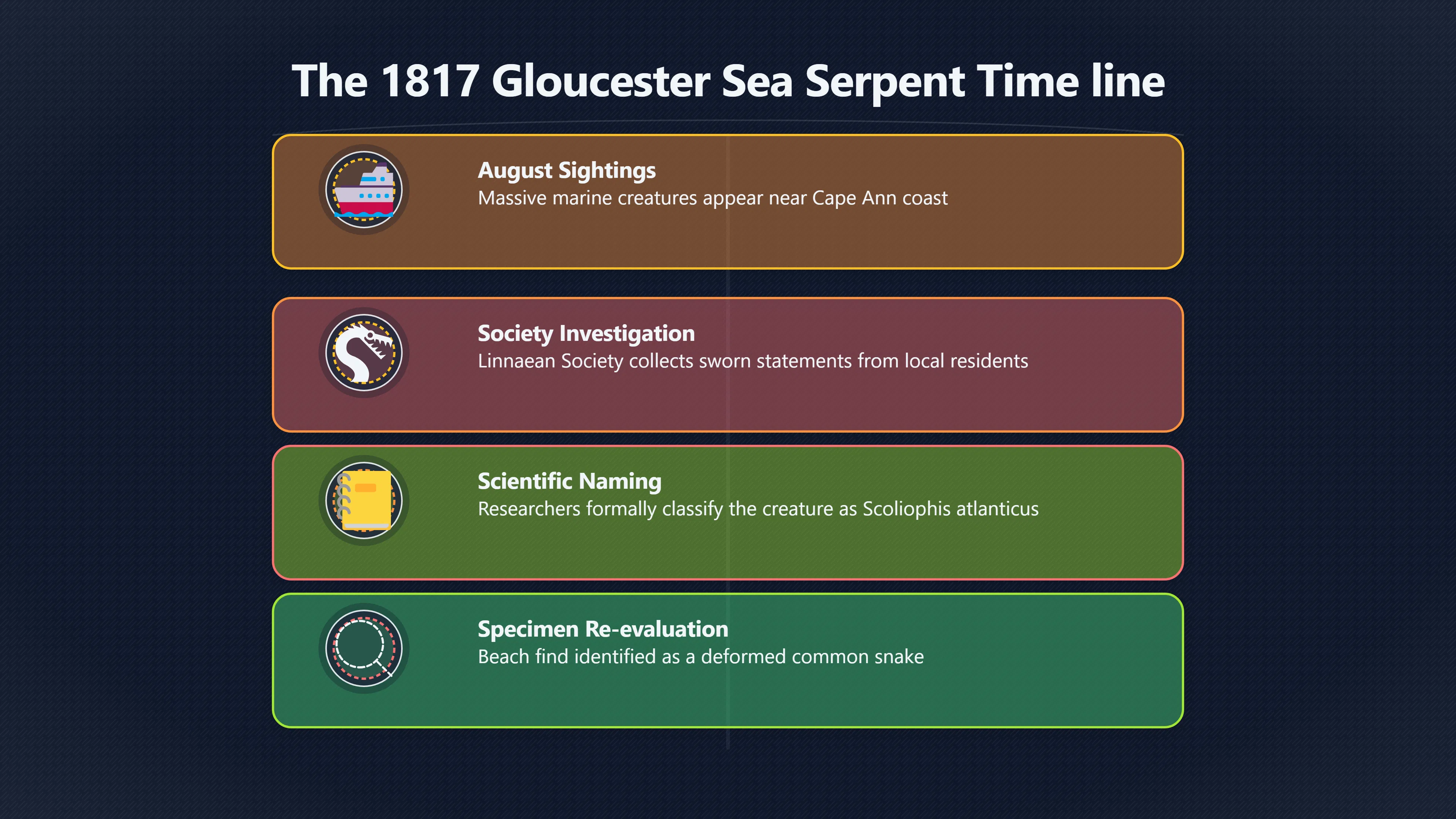
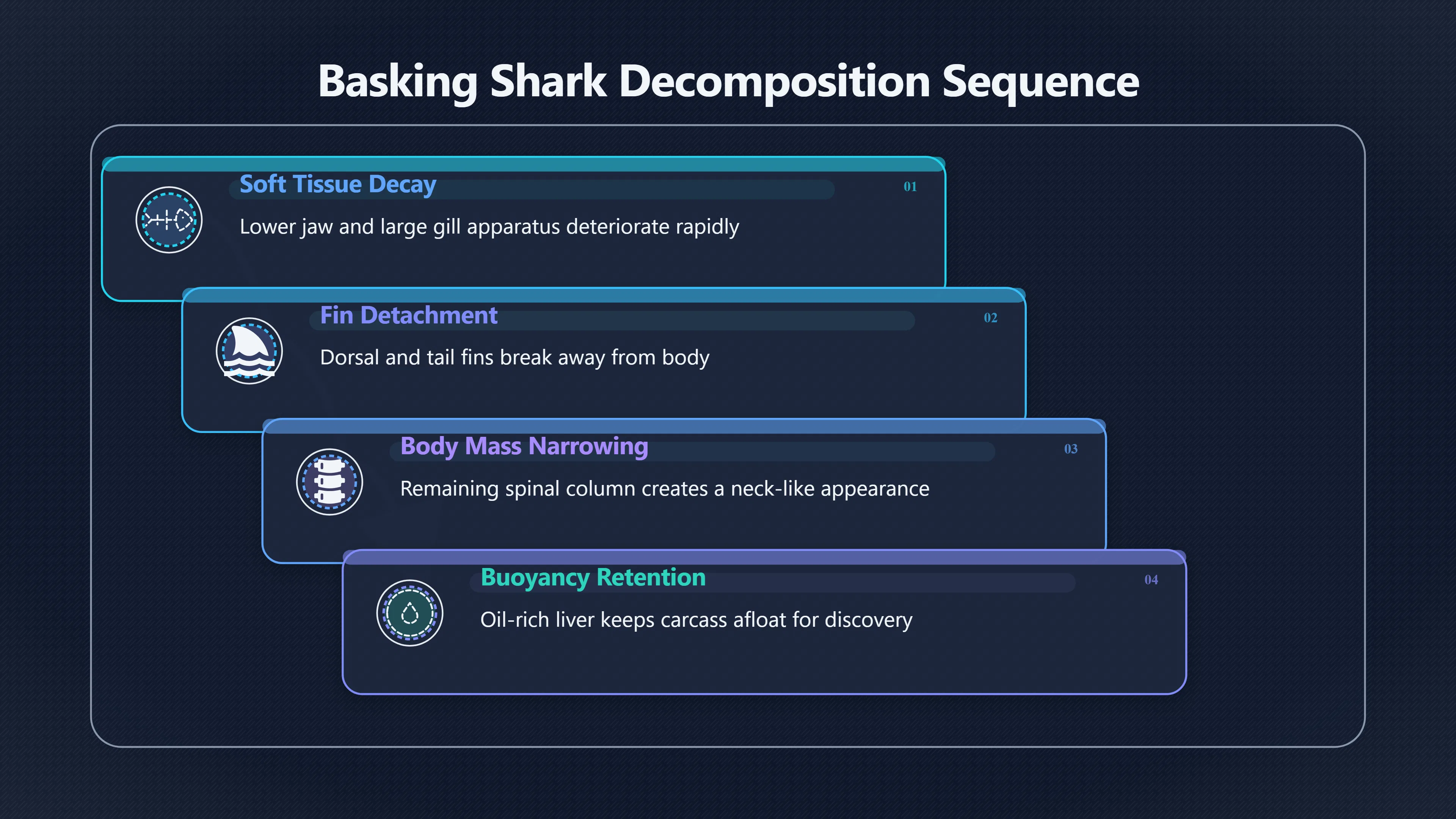
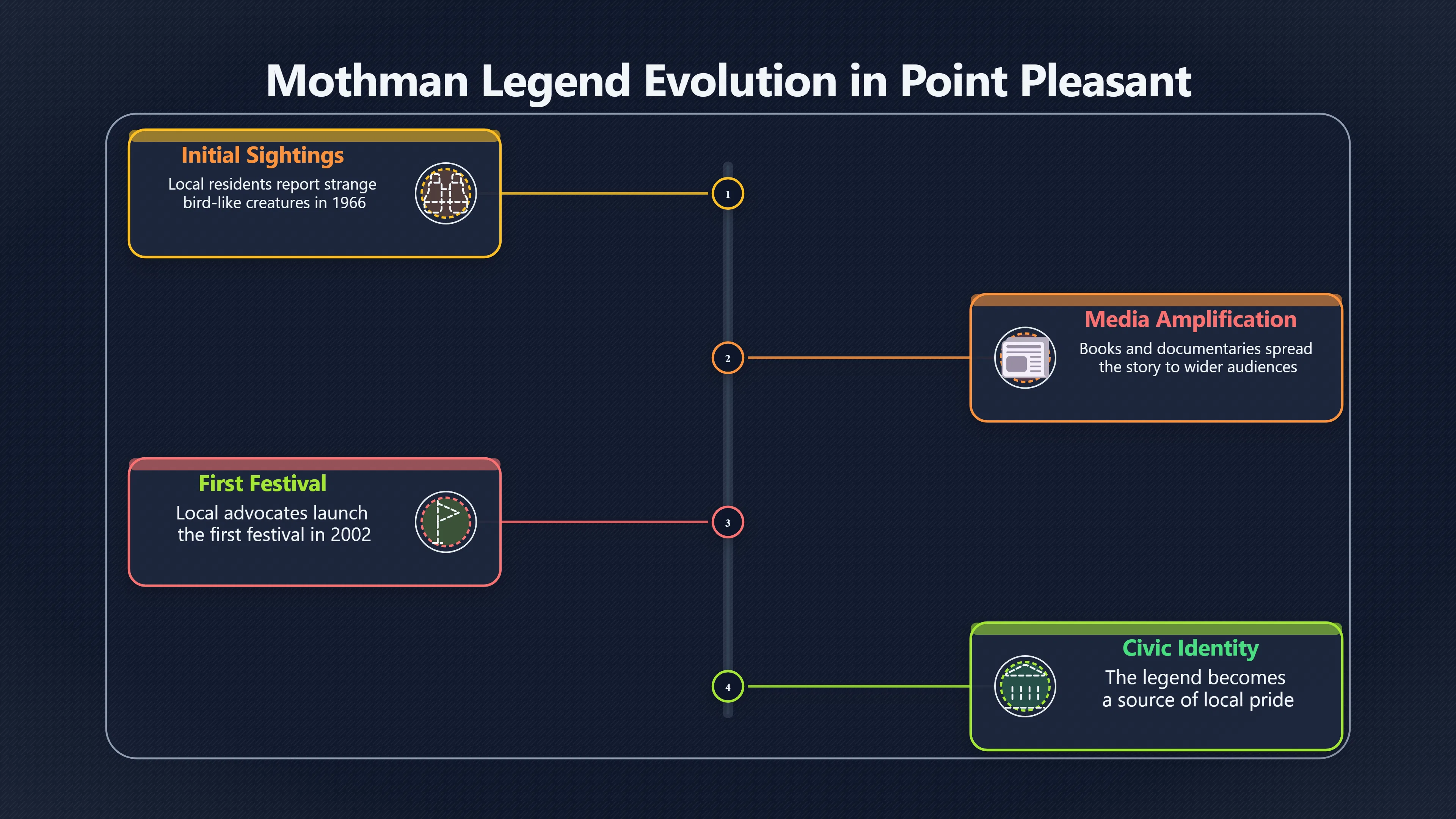
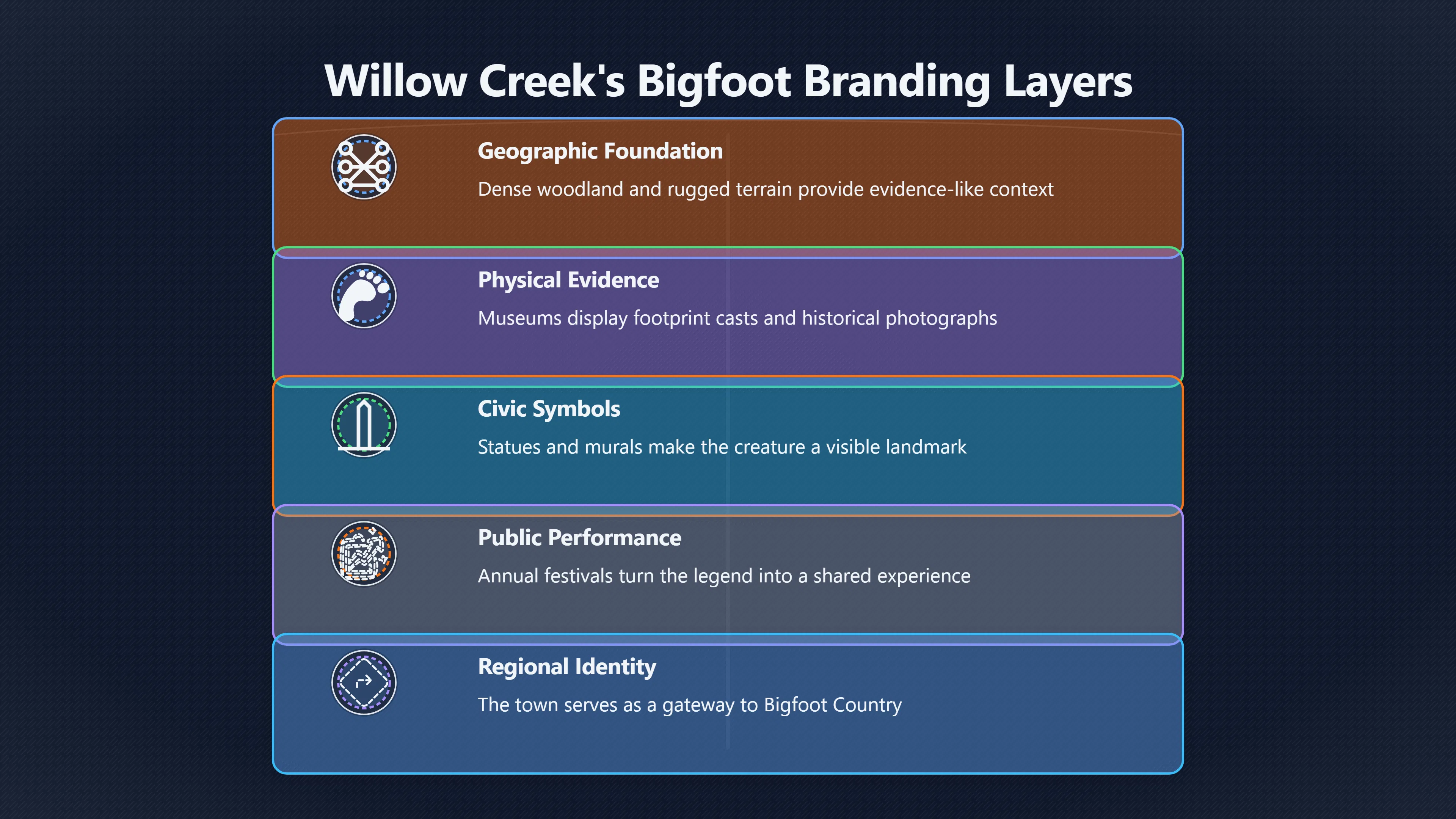
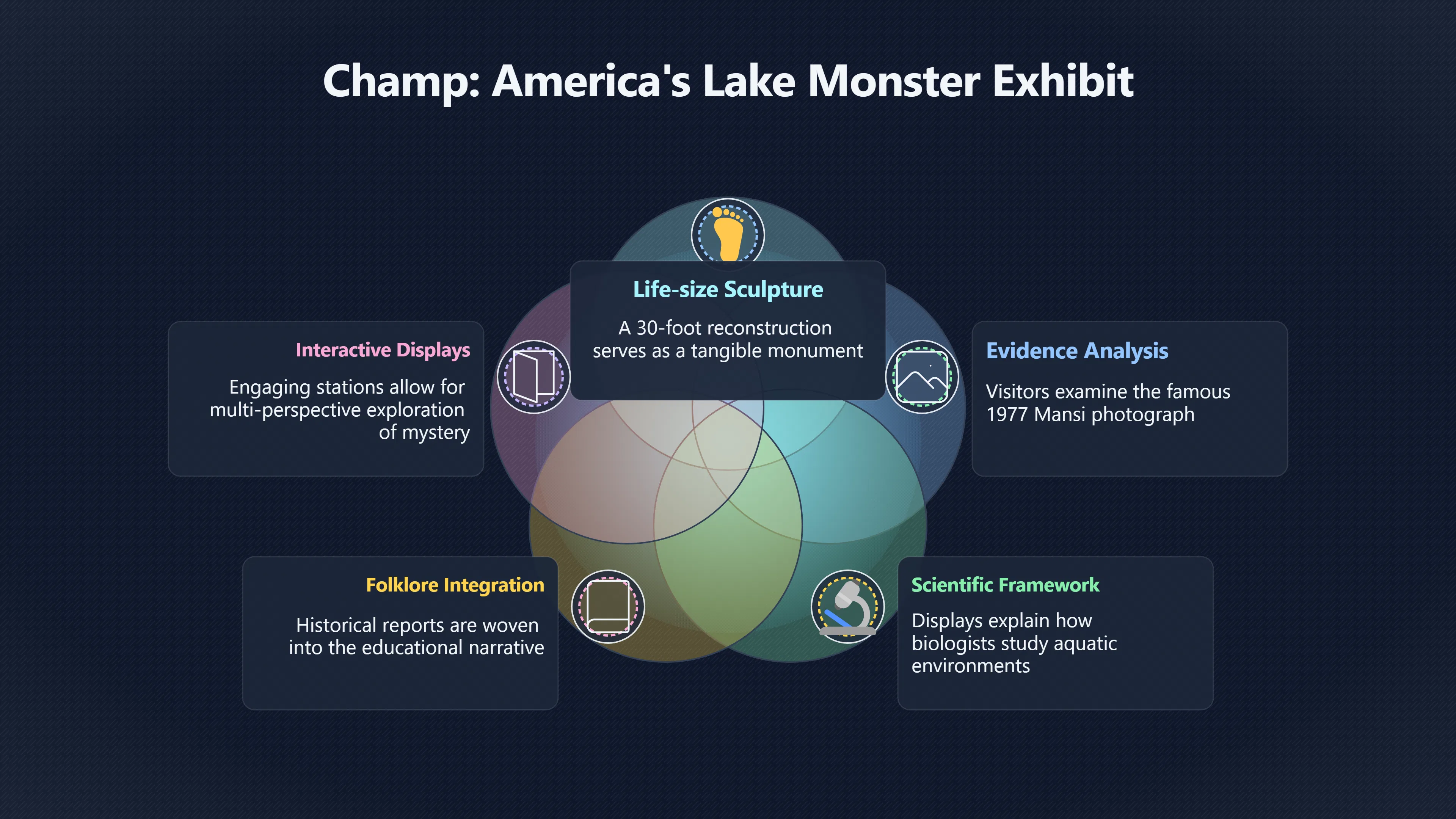
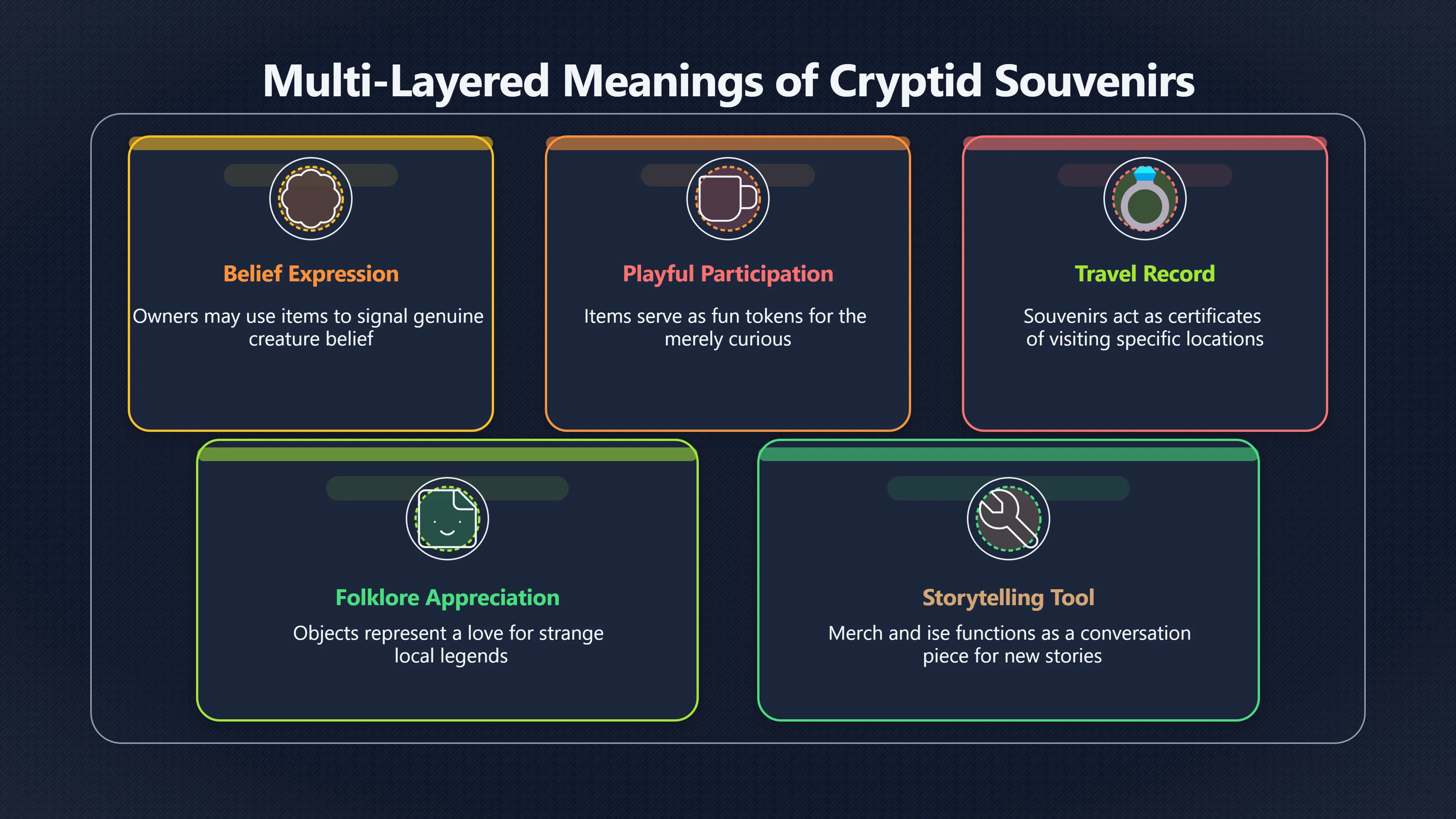

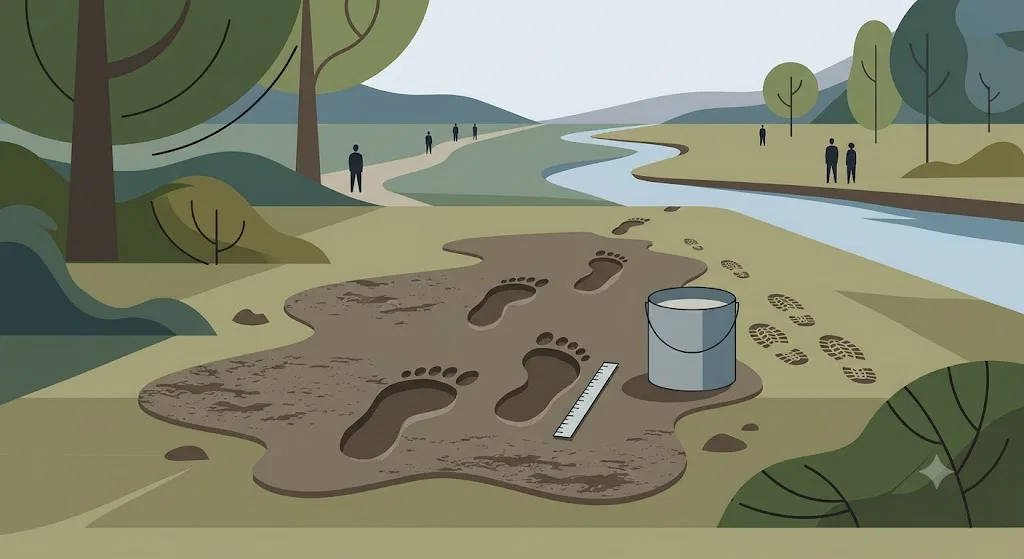
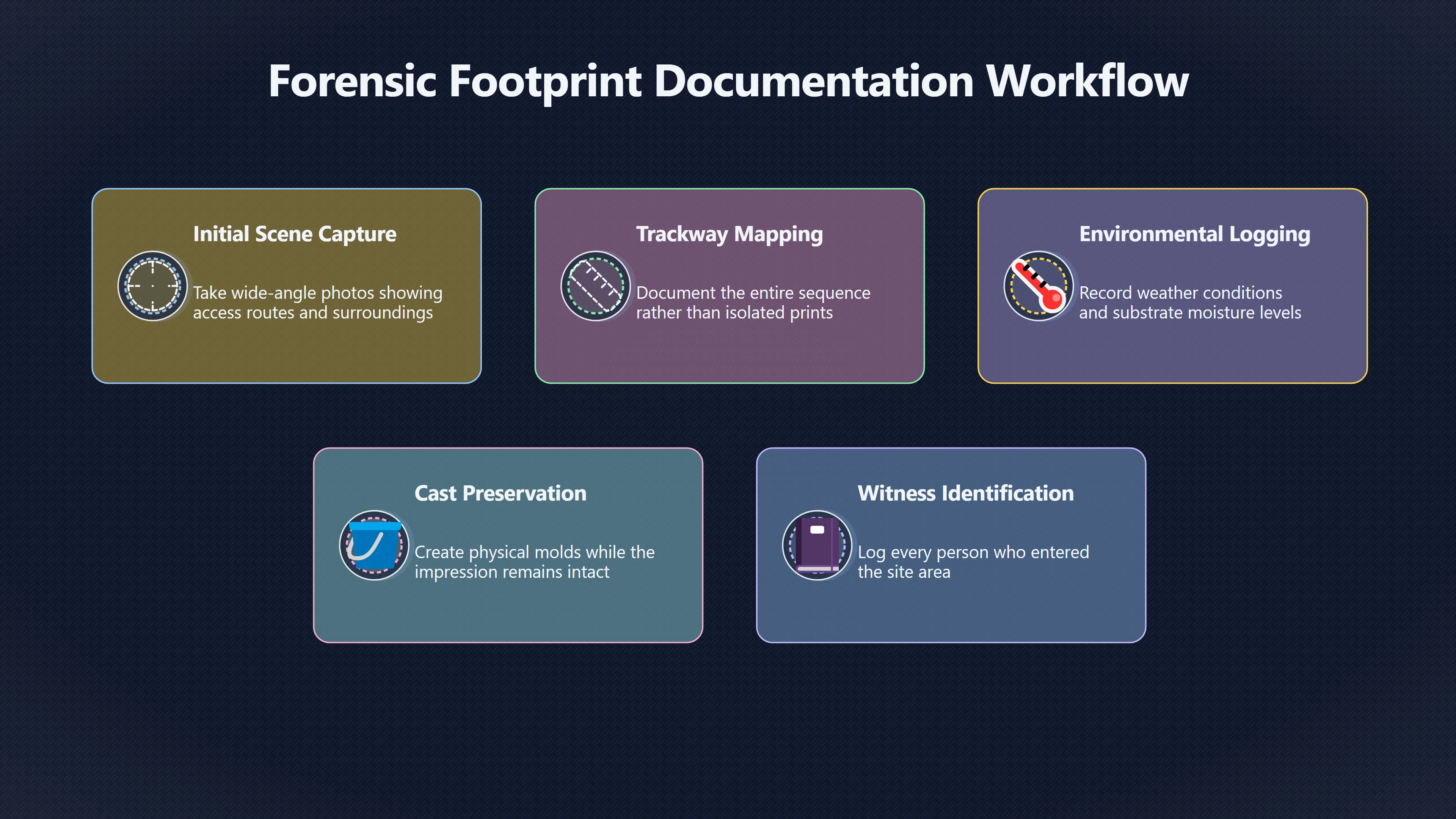
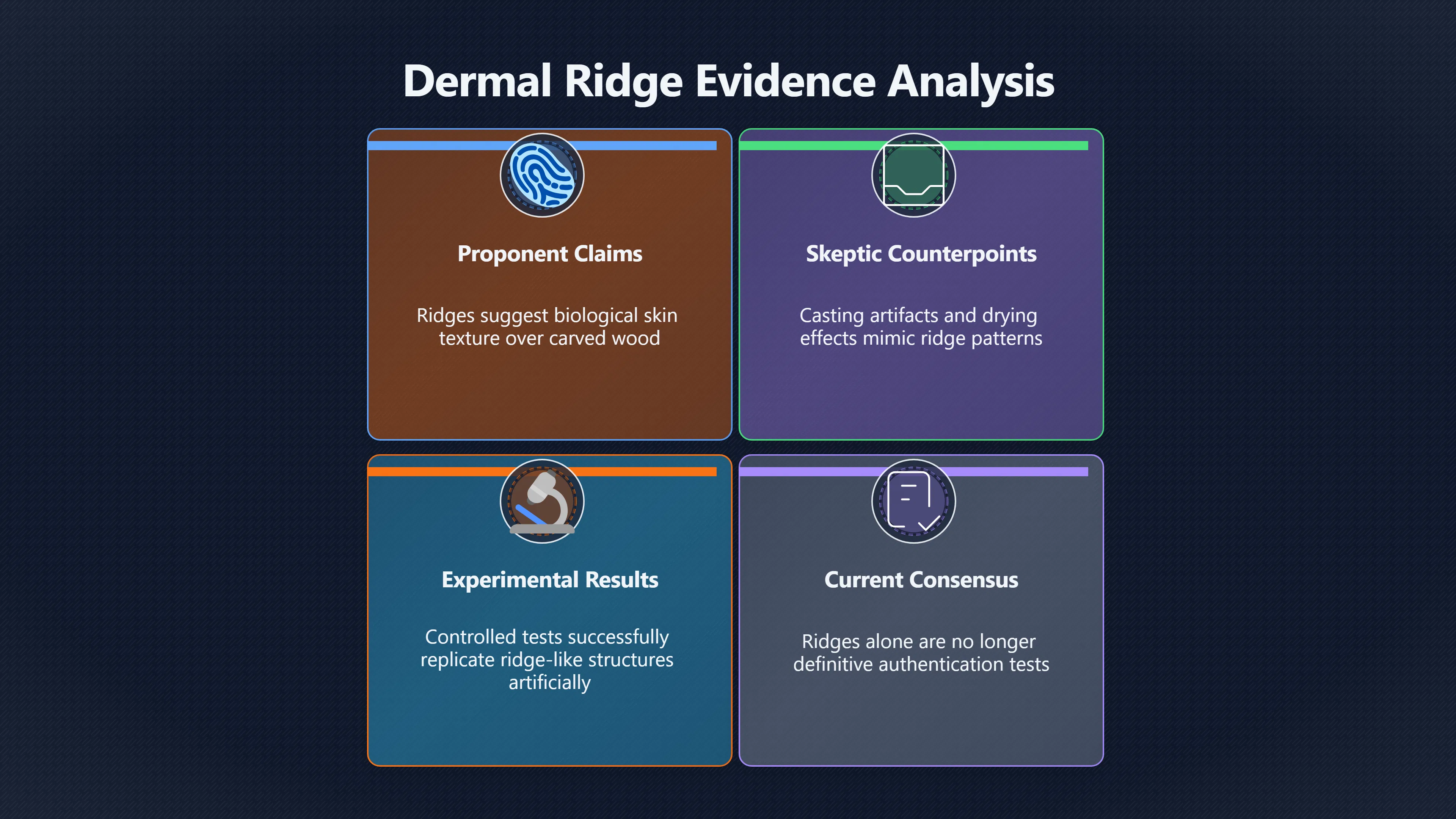
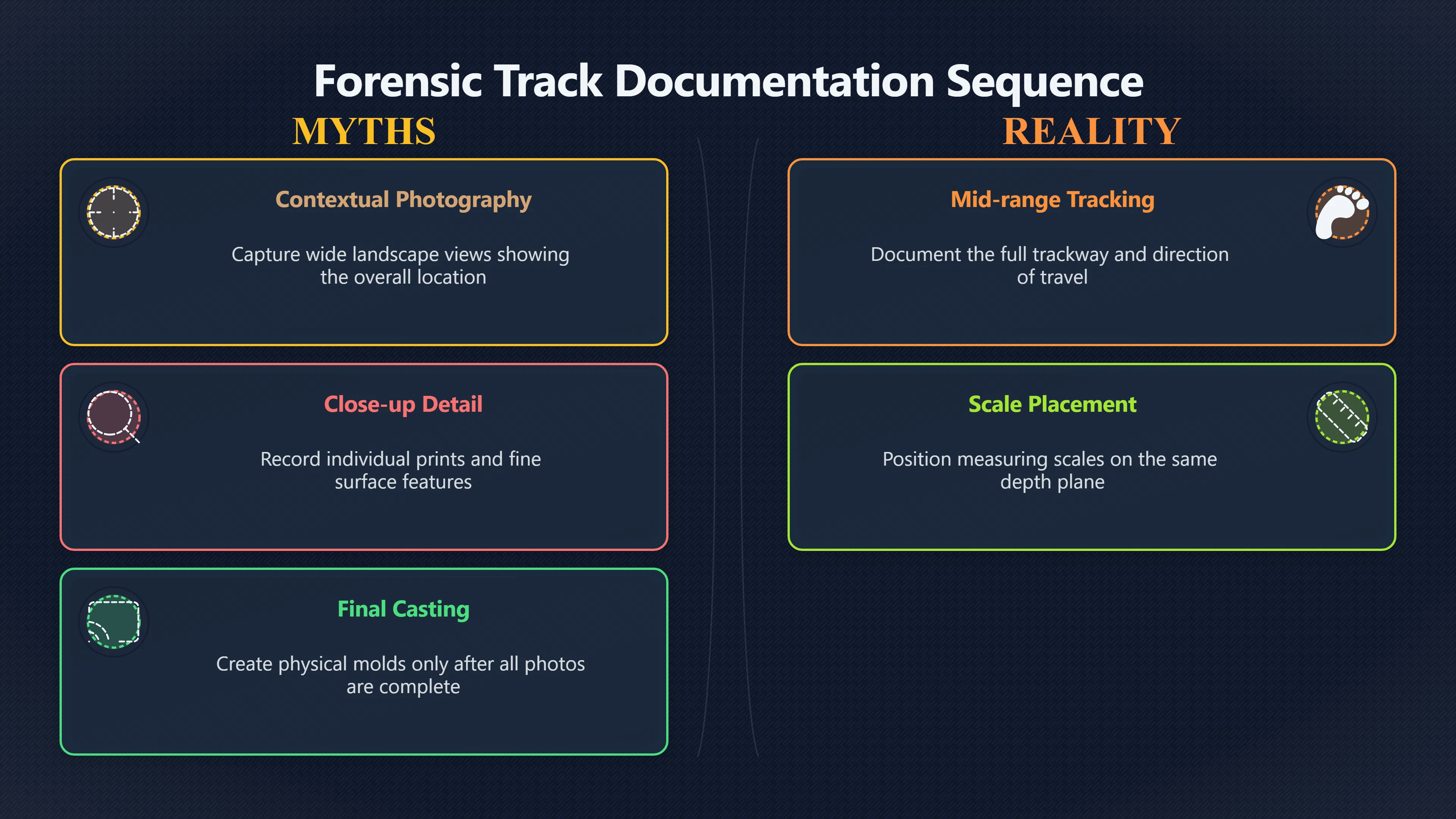
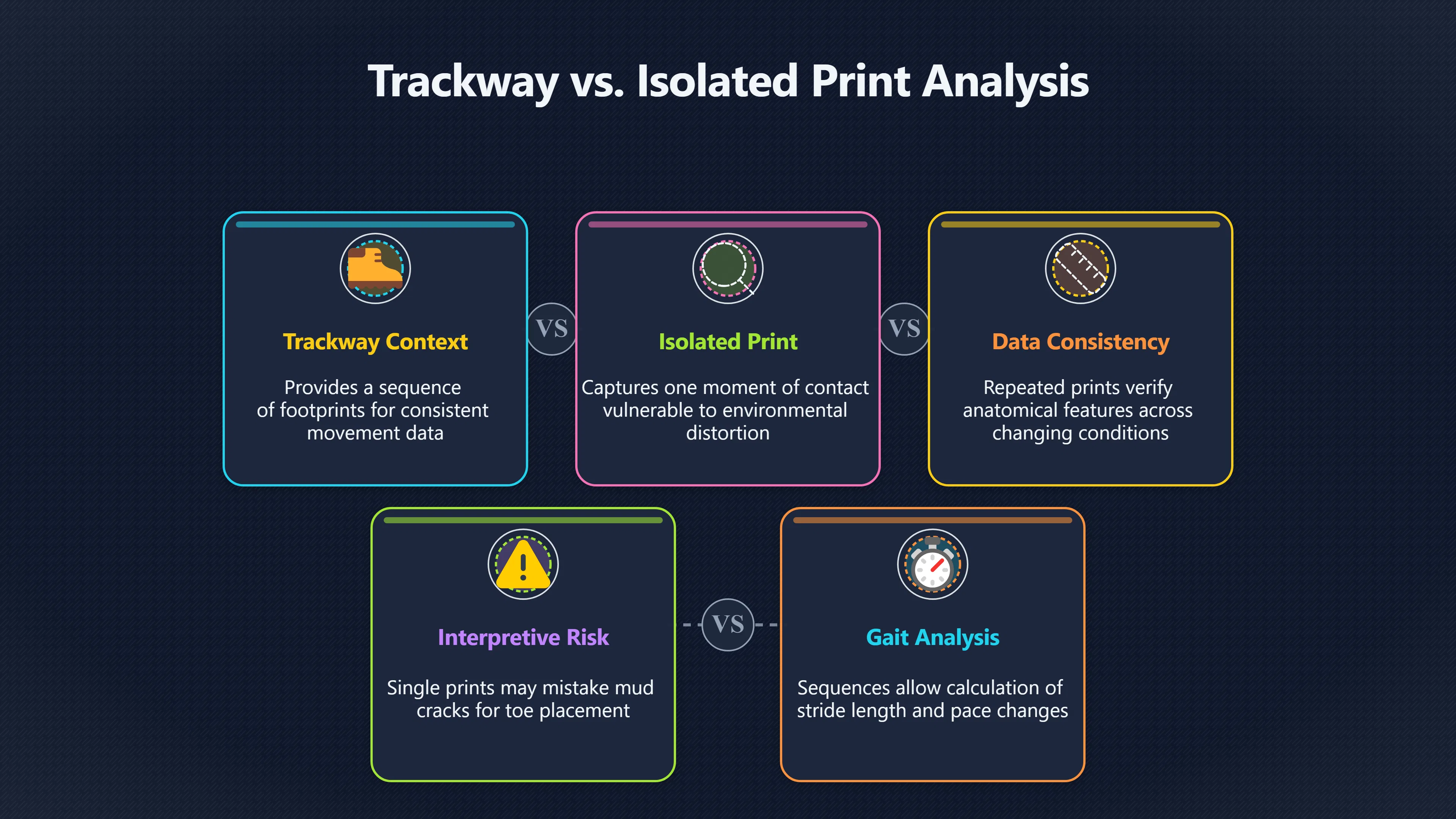
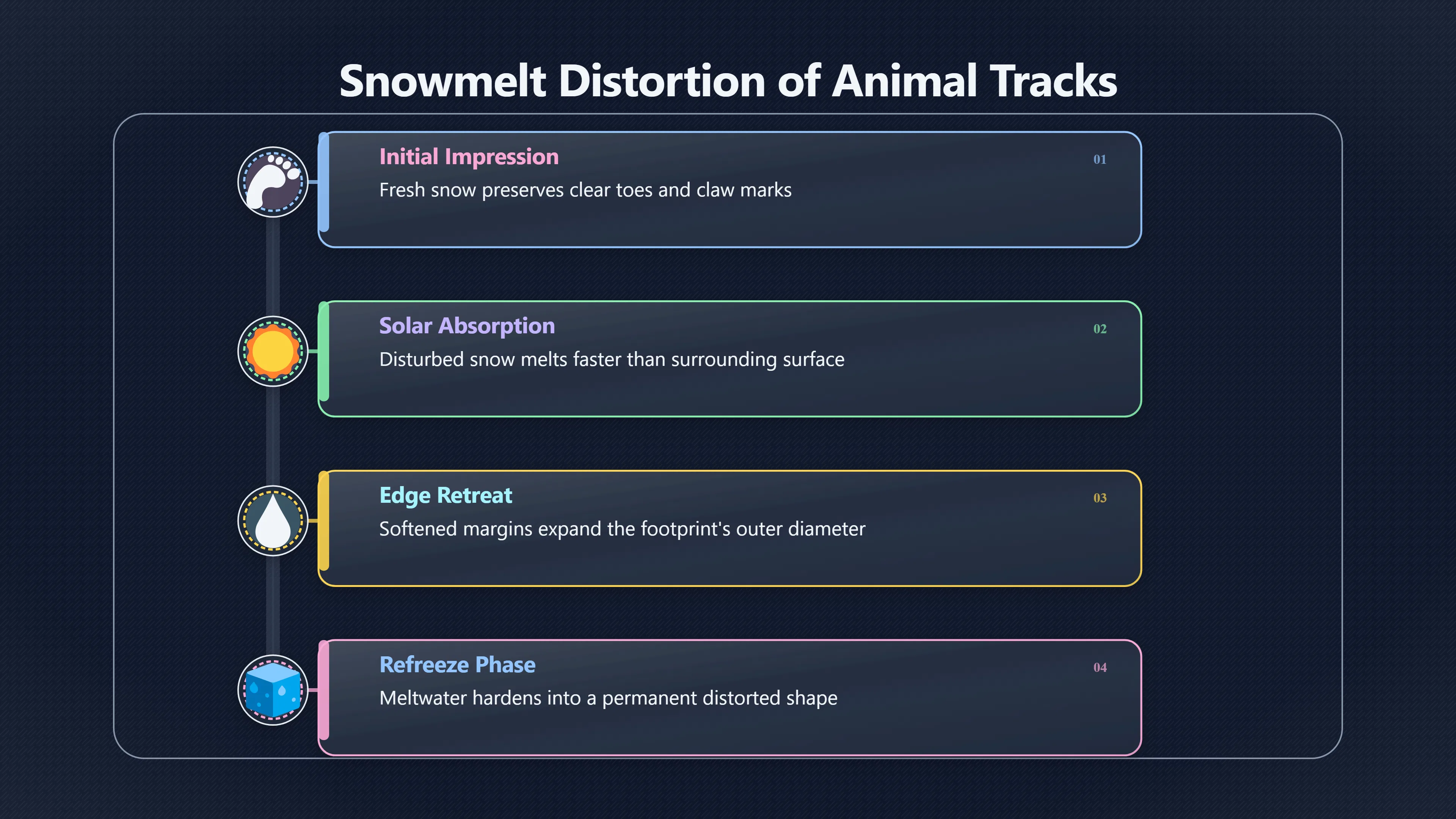
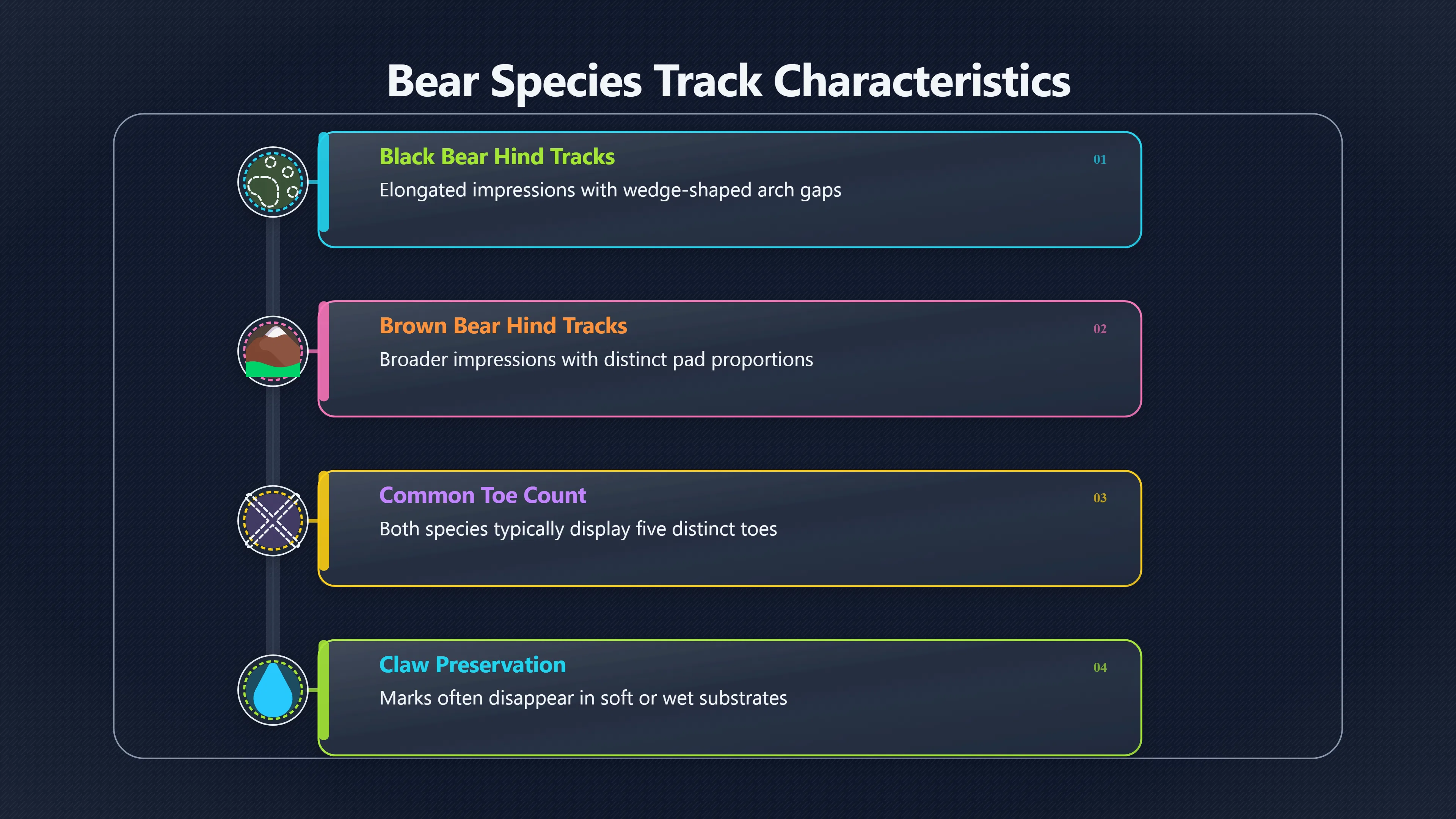
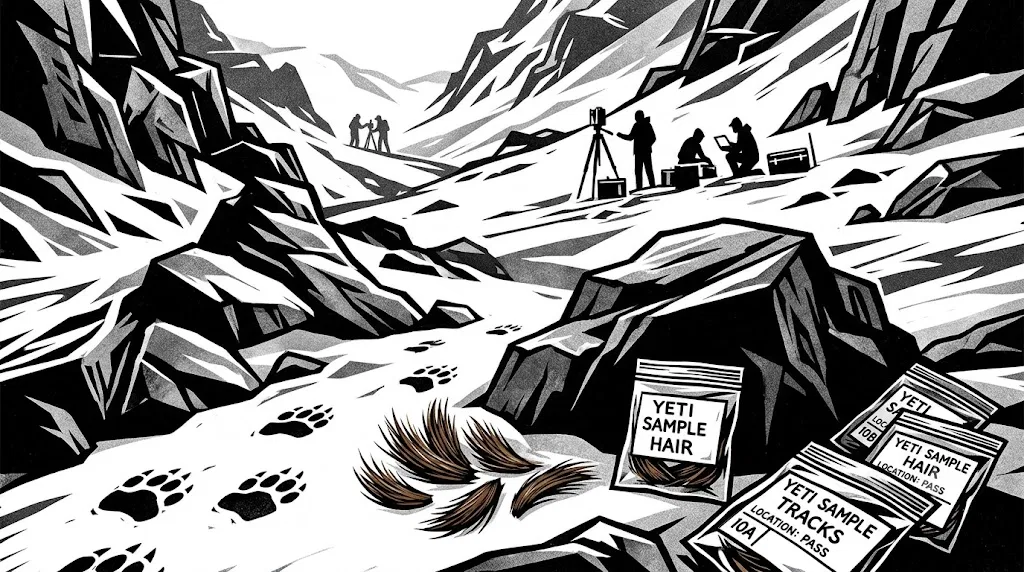
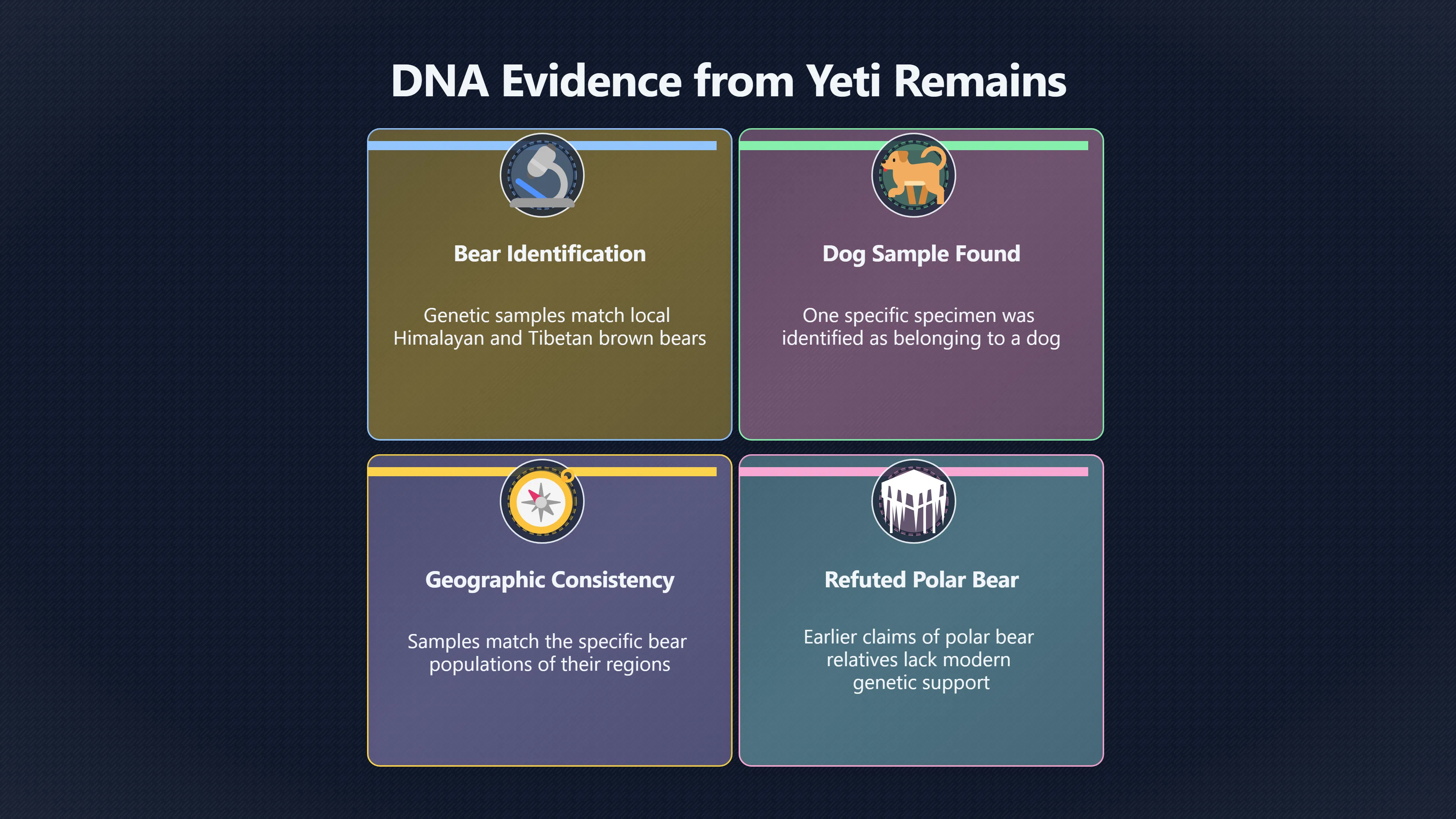
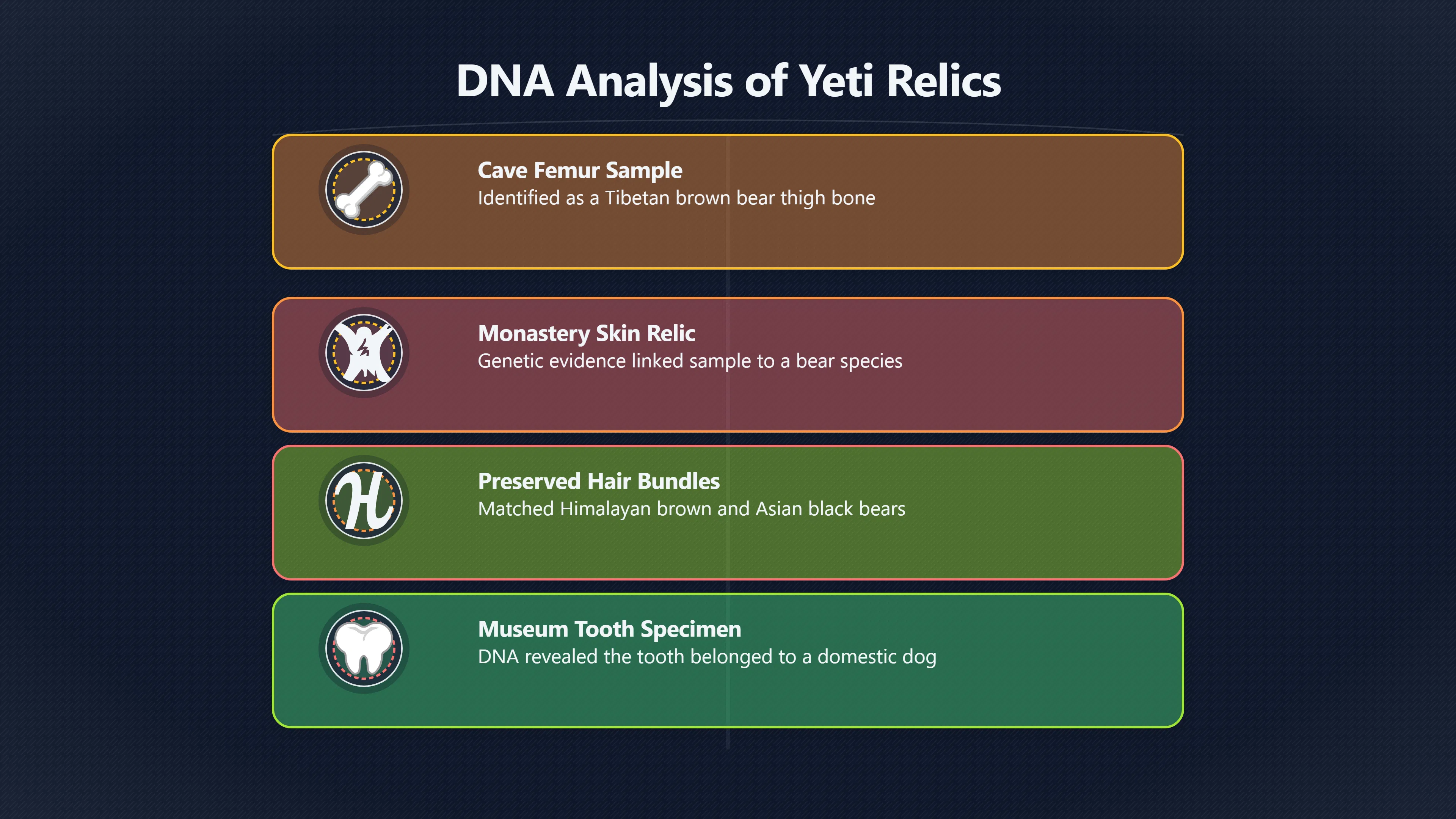
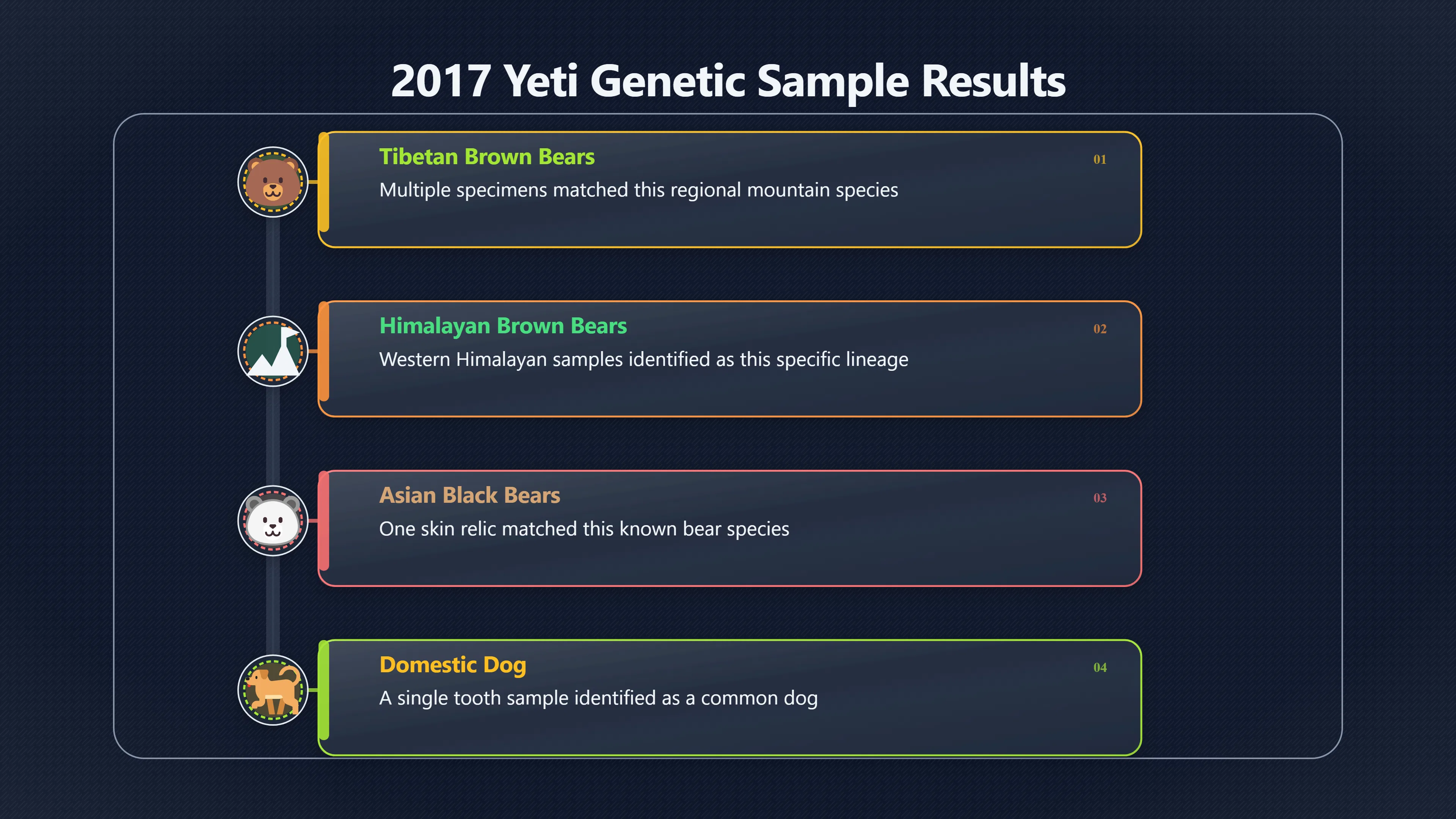
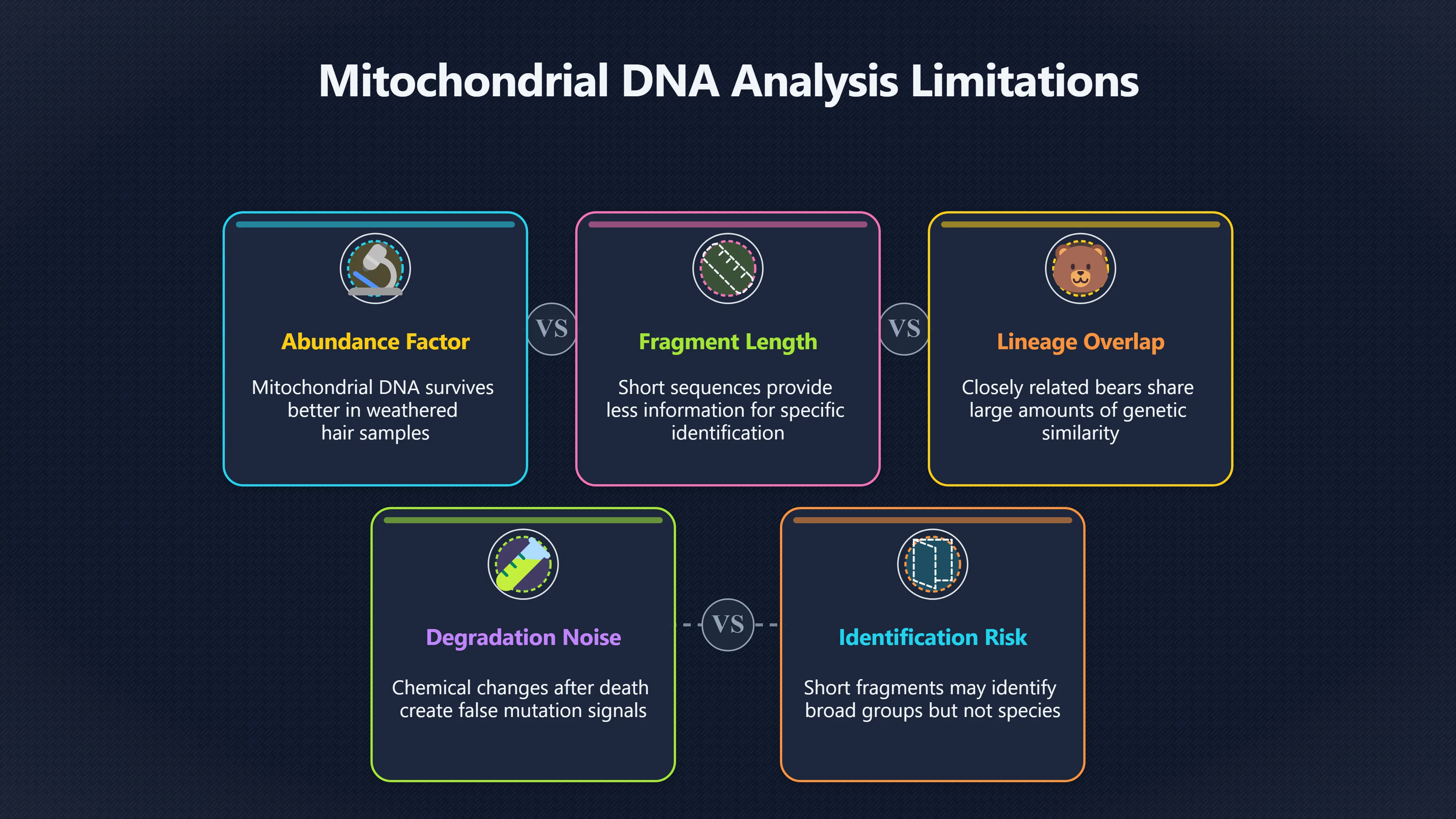
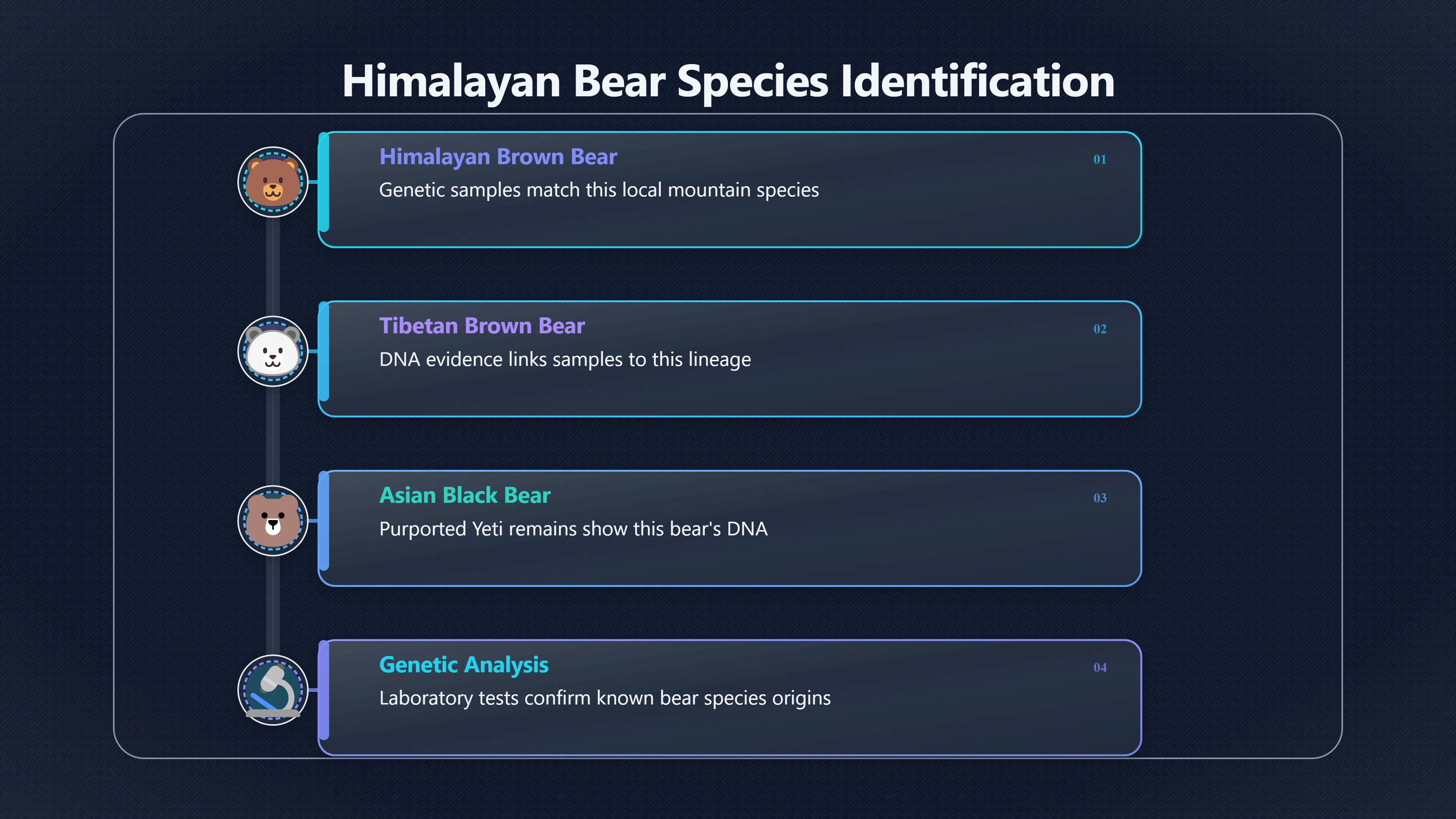
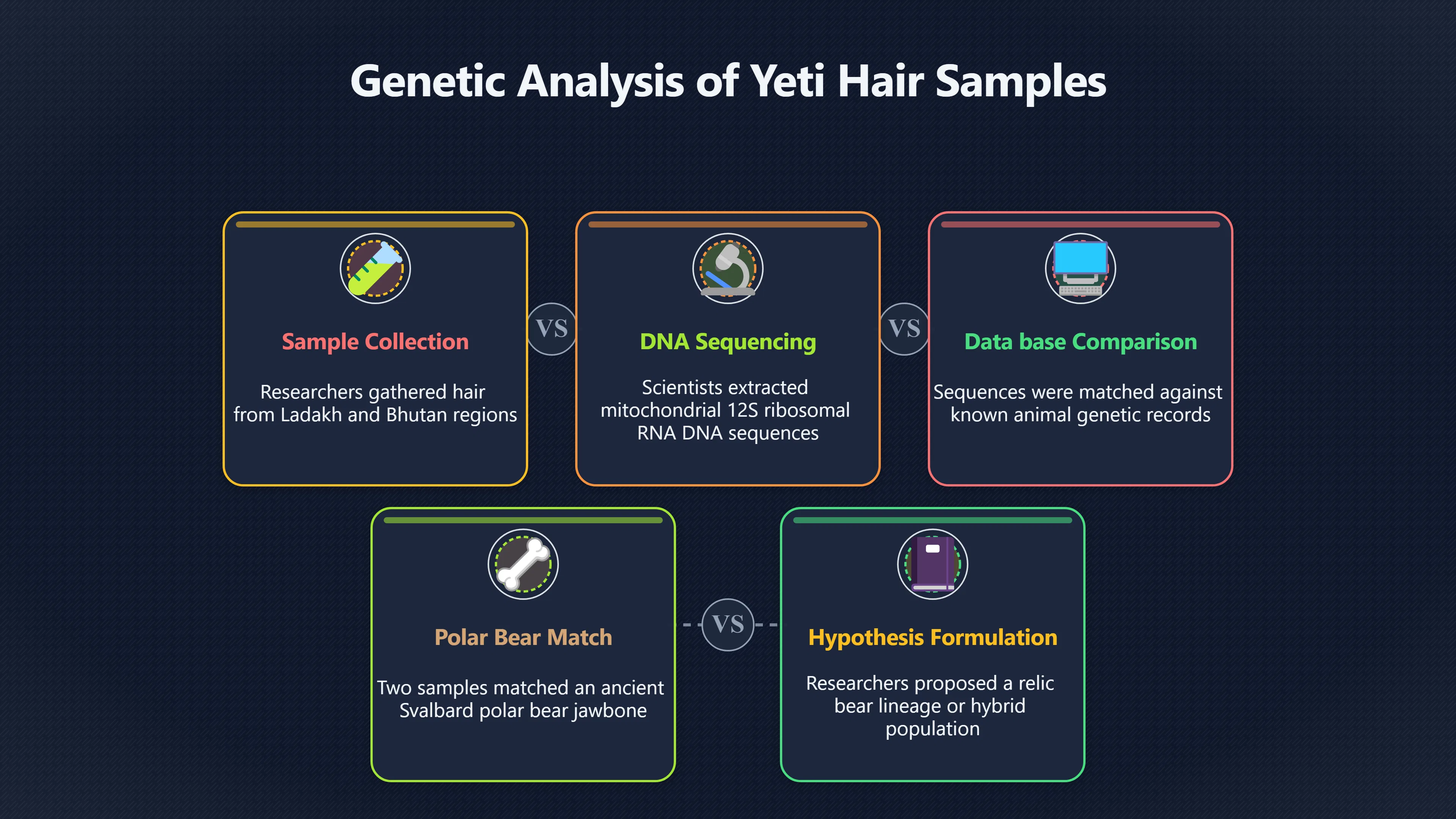
Expand all Collapse all Cryptozoology Cryptids, Evidence, and the Animals We Imagine Cryptozoology is the search for animals whose existence has been reported but not confirmed by mainstream zoology: Bigfoot, the Loch Ness Monster, the Yeti, sea serpents, surviving “prehistoric” creatures and other disputed animals often called cryptids. Its appeal is easy to understand. 211 pages Read more Bigfoot Why Bigfoot Evidence Still Falls Short Bigfoot reports are famous, but the missing bodies, bones, DNA, and repeatable observations keep the claim outside zoology. 7 pages +Show subtopics Read more Footprints Can Bigfoot Footprints Prove Anything? Large human-like tracks are Bigfoot's most famous physical-looking evidence, but casts remain vulnerable to distortion, error and hoaxing. Read more DNA Tests What Bigfoot DNA Tests Have Really Found Hair and tissue claims have repeatedly faced laboratory testing, and the published results have matched known animals rather than Bigfoot. Read more FBI Hair Test What the FBI Bigfoot File Actually Shows The FBI's Bigfoot file is often cited as mysterious, but its hair test points to ordinary animal evidence rather than a hidden primate. Read more Missing Traces Why One Bigfoot Would Never Be Enough A real large mammal population would need food, mates, movement and deaths, creating biological evidence that should eventually be found. Read more Sightings Why Sincere Bigfoot Sightings Still Fall Short Eyewitness reports can be sincere and detailed, but they do not by themselves establish that an unknown primate exists. Read more Patterson Film Why the Famous Bigfoot Film Still Divides People The 1967 Patterson-Gimlin film remains iconic because it looks vivid to believers but has never become verifiable zoological proof. Read more Coelacanth What the Coelacanth Really Proves The coelacanth proves surprising discoveries happen, but it does not make every cryptid claim equally likely. 7 pages +Show subtopics Read more Evidence Test The Coelacanth Test for Cryptid Claims The coelacanth case sets a practical test for cryptids: preserved evidence, plausible habitat, taxonomic fit, and independent confirmation. Read more Latimer s Role The Curator Who Saved the Coelacanth Courtenay-Latimer's quick judgment turned an odd trawler catch into one of the most important zoological finds of the century. Read more Living Fossil What Living Fossil Really Means Calling the coelacanth a living fossil is useful only if readers understand that ancient-looking animals still evolve. Read more Deep Habitat Where a Living Fossil Could Hide Coelacanths were plausible surprises because they lived in difficult deep-water habitats, not because any hidden monster is equally likely. Read more 1938 Specimen Why One Fish Changed the Evidence Standard The first living coelacanth mattered because it was a preserved body that experts could examine, not another ambiguous animal story. Read more Second Fish Why the Second Coelacanth Mattered The second recognised coelacanth showed that the 1938 fish was not a freak accident, hoax, or identification mistake. Read more Deep Sea The Real Unknown Animals of the Deep Sea The deep sea contains real unknown animals, but that uncertainty differs from claims about named legendary monsters. 7 pages +Show subtopics Read more Mapping Gaps How Much Ocean Is Still Unseen? Unmapped and unseen ocean space explains why discoveries continue, but it cannot by itself prove named sea monsters. Read more Coelacanth The Fish Cryptid Arguments Misuse The coelacanth is a real Lazarus taxon, but its rediscovery does not make every prehistoric monster claim plausible. Read more Giant Squid What Giant Squid Really Prove The giant squid shows how a sea legend becomes zoology only when carcasses, anatomy, images and repeated records line up. Read more Ocean Census What New Species Actually Look Like Recent species surveys reveal an ocean full of unknown life, but mostly through many small discoveries rather than single monsters. Read more Midwater When Real Drifters Look Like Monsters Jellies, siphonophores and other fragile midwater animals can create strange shapes that look monstrous in brief sightings. Read more Colossal Squid Why Known Giants Still Surprise US The colossal squid was already real before live footage, but its living appearance and behaviour remained largely hidden. Read more e DNA Can e DNA Solve Lake Monster Mysteries? Environmental DNA can test what lives in a lake, but it cannot turn every absence into a final answer. 7 pages +Show subtopics Read more False Positives Can Monster DNA Be Misleading? Contamination, transported DNA and lab errors can make a species appear present when the lake evidence is weaker than it looks. Read more Loch Ness e DNA Did DNA Point to a Giant Eel? The Loch Ness eDNA survey ruled out several monster ideas while leaving large eels as the most plausible animal lead. Read more Sightings vs DNA What Happens to Sightings After DNA? DNA surveys do not end folklore, but they narrow which animal explanations still fit alongside sightings, wakes and misidentifications. Read more DNA Databases What If the Animal Is Unknown? eDNA can flag known lineages well, but unknown or poorly catalogued animals may return broad or unresolved matches. Read more Negative Results When Does Missing DNA Matter? A missing DNA signal can weaken a monster claim, but its meaning depends on sampling coverage, biology and detection limits. Read more Sampling Design Where Should Monster Hunters Sample? Shorelines, depths, inflows and open water can carry different DNA signals, so survey design affects what a lake search can find. Read more Field Basics How to Document a Cryptid Claim Responsibly Careful documentation, sample handling, location data, and sceptical alternatives make animal reports more useful. 7 pages +Show subtopics Read more Location Can the sighting site be checked? Precise locations let investigators test a claim against terrain, access routes, known wildlife and ordinary human activity. Read more Reports Of A “black Panther” Could a black panther report be ordinary? Large-cat claims become stronger or weaker when compared with livestock, escaped pets, dogs, deer, lighting and local wildlife records. Read more Track Photos How to photograph a mystery track A footprint photo becomes more useful when it shows scale, surrounding ground and the whole trackway rather than one dramatic print. Read more Conditions When weather makes animals look strange Fog, glare, moonlight, headlights and rain can turn ordinary animals or shapes into much stranger reports. Read more Original Files Why screenshots make weak evidence Original images and full clips matter because cropped screenshots and shared copies can lose timing, location and context. Read more Witnesses Why witnesses should write before talking Separate first accounts can preserve what each witness noticed before the sighting turns into a shared story. Read more Folklore Why Cryptid Stories Matter Without Proof Cryptids can be culturally important even when they are not zoologically proven animals. 7 pages +Show subtopics Read more Nessie How Nessie Became More Than a Monster The Loch Ness Monster blends deep-water danger, older water-beast traditions, sightings, press attention and tourism. Read more Bigfoot Why Bigfoot Belongs to the Woods Bigfoot stories make forests feel mysterious, risky and culturally distinct even when the creature remains unproven. Read more Chupacabra Why Chupacabra Keeps Changing Shape Chupacabra folklore shows how livestock deaths, media images and local fears can reshape one monster across regions. Read more Maybe Stories Why Cryptids Live in the Maybe Cryptid stories let people share doubtful experiences without choosing between full belief and full disbelief. Read more Mothman Why Mothman Still Haunts Point Pleasant Mothman links strange sightings, the Silver Bridge disaster and Point Pleasant's later identity as a cryptid landmark. Read more Jersey Devil Why the Pine Barrens Needed a Monster The Jersey Devil helps turn South Jersey's Pine Barrens into a place of fear, belonging and regional distinctiveness. Read more Heuvelmans The Writer Who Named Modern Cryptozoology Bernard Heuvelmans helped turn scattered monster reports into a named modern field with books, categories, and ambitions. 7 pages +Show subtopics Read more Hidden Animals Can Monster Reports Become Animal Evidence? His method made testimony useful, but it also exposed cryptozoology's dependence on unverifiable and ambiguous clues. Read more Founding Book The Book That Made Monsters Look Zoological Heuvelmans' landmark book turned scattered monster reports into a structured search for possible hidden animals. Read more The Society When Cryptozoology Tried to Become a Discipline The society tried to give cryptozoology journals, officers and institutional form, even as the evidence base remained contested. Read more Local Testimony When Local Knowledge Became Monster Evidence Heuvelmans treated local and seafaring testimony as possible zoological information rather than mere superstition. Read more Sanderson Who Really Helped Name Cryptozoology? Sanderson shaped the emerging field alongside Heuvelmans and complicates the origin story of the word cryptozoology. Read more Okapi Analogy Why the Okapi Became Cryptozoology's Favorite Lesson The okapi helped cryptozoologists argue for open-mindedness, but it also showed why physical evidence matters. Read more Hidden Mammals What Real Hidden Mammals Teach Cryptozoology Remote forests can hide real animals, but large famous cryptids still face stronger evidence demands. 7 pages +Show subtopics Read more Camera traps Camera traps changed forest mysteries forever Modern camera trapping raises the bar for cryptid claims by making remote forests more observable than they once were. Read more Chevrotain How camera traps found a lost tiny deer The silver-backed chevrotain explains why camera traps can turn local reports into confirmed survival records. Read more Giant muntjac Rare is not the same as magically hidden The large-antlered muntjac turns mystery into a conservation warning about snares, low density and shrinking refuges. Read more Habitat limits Remote forest is not an unlimited hiding place Real hidden mammals occupy constrained habitats, which makes giant widespread cryptids face tougher ecological questions. Read more Echidna search The echidna rediscovery built on local knowledge Attenborough's long-beaked echidna shows how Indigenous knowledge, remote terrain and cameras can reopen a lost-species case. Read more The Saola Why the saola changed cryptid evidence claims The saola shows how a hidden forest mammal becomes real science through remains, local knowledge, habitat fit and follow-up work. Read more Hoaxes How Cryptid Hoaxes Fool the Public Hoaxes thrive when dramatic images, footprints, or stories travel faster than verification. 7 pages +Show subtopics Read more Wallace Tracks Did Wooden Feet Help Name Bigfoot? The 1958 California track story shows how a simple planted trace helped turn Bigfoot into a national mystery. Read more Iceman The Frozen Body That Kept Changing Stories The Minnesota Iceman shows how a hidden or inaccessible body can create the feeling of proof without allowing proof. Read more Hippo Tracks The Hippo Footprints Behind the Nessie Hoax The hippopotamus-foot tracks at Loch Ness show how embarrassment, motive, and media pressure can feed later hoaxes. Read more Feejee Mermaid When a Fake Mermaid Looked Like Proof Composite mermaid bodies reveal how hoaxes borrow museum and specimen language while avoiding open scientific testing. Read more Nessie Photo Why the Fake Nessie Photo Still Works The famous Nessie image survived as a cultural icon even after later accounts exposed the model behind it. Read more Patty Film Why the Patterson Gimlin Film Still Divides People The Bluff Creek film remains disputed because its visual drama invites both detailed analysis and sceptical questions. Read more Isc Professionalisat Why Cryptozoology Did Not Become Zoology The International Society of Cryptozoology tried to make the field look scientific, but recognition by zoology never followed. 7 pages +Show subtopics Read more ISC Journal Could a Journal Make Cryptozoology Scientific? The ISC journal gave cryptozoology a scholarly-looking venue, but publication alone could not make hidden-animal claims zoologically accepted. Read more Okapi Emblem The Animal That Helped and Hurt The okapi made cryptozoology's strongest argument vivid, but one successful discovery could not validate every disputed animal claim. Read more Boundary Line Where Hidden Animals Became Monster Culture The ISC tried to separate possible real animals from supernatural monsters, but public cryptid culture kept blurring that line. Read more Proof Gap Why Clues Were Not Enough Tracks, testimony, photos, and hair could start an investigation, but zoology required stronger proof before accepting a new animal. Read more Collapse Why the ISC Could Not Last The ISC's end showed that credibility signals also needed money, governance, and internal trust to survive. Read more Founding Why the Smithsonian Setting Mattered The ISC's 1982 Smithsonian meeting gave the project prestige, but institutional proximity did not become lasting scientific endorsement. Read more Lazarus Taxa When Extinct Animals Reappear Alive Lazarus taxa make cryptozoology feel plausible, but each survival claim still needs current physical evidence. 7 pages +Show subtopics Read more Cahow Can 18 Breeding Pairs Save a Species? The cahow's rediscovery shows how a tiny verified remnant can become a long conservation project rather than a loose survival rumor. Read more Takahe How the Takahe Came Back Into View The takahe became credible not because people hoped it survived, but because searchers found a real population in a plausible refuge. Read more Stick Insect The Insect That Needed DNA to Return The Lord Howe Island stick insect shows why rediscovery claims get stronger when modern DNA can test old specimens against new finds. Read more Coelacanth What the Coelacanth Really Proved The coelacanth shows how a real Lazarus animal can be spectacular without proving that prehistoric monsters still hide nearby. Read more Hidden Refuges Where Lost Animals Actually Hide Real rediscoveries usually come from deep water, remote islands, alpine terrain or nocturnal breeding sites where detection is genuinely hard. Read more Extinction Rules Why Extinction Needs a High Bar Extinction is declared cautiously because rare animals can evade surveys, but that caution is not evidence for every survival claim. Read more Loch Ness What DNA Says About the Loch Ness Monster Loch Ness DNA surveys have weakened reptile and giant fish claims while leaving ordinary explanations such as eels more plausible. 7 pages +Show subtopics Read more Loch Ecology Could Loch Ness Feed a Monster? Any large hidden animal in Loch Ness would need enough food, space and breeding numbers to survive over generations. Read more Giant Eels Could Nessie Be a Giant Eel? Large eels remain one of the few animal ideas compatible with the DNA results, but they fit only some Loch Ness reports. Read more Eel Odds How Big Could a Loch Ness Eel Get? Catch data makes ordinary large eels plausible in Loch Ness, while monster-sized eels become statistically hard to defend. Read more DNA Survey What Did Loch Ness DNA Really Rule Out? The 2018 eDNA survey weakened the biggest monster claims, but it did not prove that every sighting has one simple answer. Read more Plesiosaur Claim Why Nessie Is Unlikely to Be a Plesiosaur A surviving plesiosaur would need a breeding population, food supply and detectable traces, not just one dramatic silhouette. Read more Sonar Contacts Why Sonar Did Not Find Nessie Operation Deepscan found ambiguous deep-water contacts, but later evidence did not turn them into a confirmed large animal. Read more Meaning What Monster Legends Say About US Cryptid legends often express anxiety about wilderness, danger, lost nature, and distrust of official expertise. 7 pages +Show subtopics Read more TNT Area The Abandoned Place That Made Mothman Possible Mothman's first setting mattered because the TNT area mixed woods, roads, ponds and abandoned military remains into an uncanny edge zone. Read more Hunt Risks When Searching for Monsters Becomes Dangerous The deaths of Sasquatch searchers in harsh forest weather show how monster country can be dangerous even without a monster. Read more Bigfoot Tracks Why Bigfoot Began With Footprints The 1958 Bigfoot footprint story shows how remote labour, press attention and hoax claims turned traces into contested proof. Read more Remote Places Why Monsters Need Places People Cannot See Forests, lochs, night roads and abandoned sites give monster stories the room they need to remain unresolved. Read more Sightings Register Why Nessie Still Gets Counted The Loch Ness sightings register keeps the loch culturally active by treating each alleged sighting as another unresolved observation. Read more Distrust Why Official Answers Do Not End Monsters Scientific, engineering and hoax explanations can weaken monster claims while still leaving believers room to doubt institutions. Read more Media How Media Keeps Cryptids Alive Television and online communities keep cryptozoology active by turning uncertain evidence into shared investigation and entertainment. 7 pages +Show subtopics Read more Data Hunts Can Algorithms Really Find Bigfoot? Expedition Bigfoot shows how data language can make unverified reports feel more modern and precise. Read more BFRO Reports Do Bigfoot Databases Prove Anything? The BFRO database shows how thousands of reports can create a sense of evidence without settling whether a creature exists. Read more Town Halls How Finding Bigfoot Turned Sightings Into Events Finding Bigfoot turned private sightings into public testimony through witness meetings, maps and night investigations. Read more Monster Quest Why Monster Quest Made Uncertainty Watchable MonsterQuest made weak cryptid claims feel testable by pairing monster lore with lab work, field trips and unresolved endings. Read more TV Cues Why Monster Shows Feel More Scientific Than They Are Night vision, expert language, tense music and field equipment can make ambiguous cryptid material feel more authoritative. Read more Trail Cams Why Trail Cameras Have Not Ended Bigfoot Debates Trail-camera debates reveal why blurry wildlife images often become arguments about bears, hoaxes, shadows and missing proof. Read more Misidentification When Monsters Are Ordinary Animals Many monster reports become less mysterious when bears, eels, sturgeon, seals, logs, or ordinary wildlife are considered. 7 pages +Show subtopics Read more Sturgeon Could a Giant Fish Look Like a Lake Monster? A huge armored sturgeon surfacing in dark water can supply the size, strangeness and prehistoric feel behind some lake-monster claims. Read more Bear Patterns Do More Bears Mean More Bigfoot Reports? Bigfoot reports rise in places with more black bears, making bear misidentification a testable baseline rather than a casual guess. Read more Oarfish The Real Fish Behind Sea Serpent Stories The giant oarfish is a real deep-sea animal whose long body, crest and rarity make it a natural source for sea-serpent impressions. Read more Wakes When Loch Ness Makes Its Own Monsters Controlled surface watches at Loch Ness showed how boat wakes and diving birds can produce humps, necks and moving shapes. Read more Rotting Sharks Why Dead Sharks Can Look Like Sea Monsters A decomposing basking shark can lose its familiar outline and resemble a long-necked marine reptile in photos and beach finds. Read more Mange Coyotes Why Sick Coyotes Become Chupacabra Reports A coyote with severe mange can look gaunt, hairless and unnatural enough to match modern chupacabra descriptions. Read more Museums Inside the World of Cryptid Museums Cryptozoology museums show how disputed animals become collectible, visual, and participatory public culture. 7 pages +Show subtopics Read more Bigfoot Attraction Can a Bigfoot Museum Teach and Entertain? Expedition Bigfoot presents Sasquatch as a family attraction where casts, maps, theaters and field gear make the search feel hands-on. Read more Flatwoods Identity How a Small Town Displays Its Monster The Flatwoods Monster Museum shows how a small-town cryptid display can double as local archive, gift shop and visitor gateway. Read more Mothman Archive How Mothman Became a Museum Archive The Mothman Museum turns eyewitness documents, press clippings, film props and replicas into a public archive of a disputed legend. Read more When Cryptids Enter An Art Museum, The Question When Cryptids Enter the Art Museum The Bates cryptozoology exhibition treated rumored animals as a museum problem about absence, classification, spectacle and fraud. Read more Hybrid Displays Why Cryptid Museums Mix Evidence and Souvenirs The International Cryptozoology Museum shows how cryptid exhibits mix alleged evidence, replicas, souvenirs and pop culture in one room. Read more Nessie Quest Why Nessie Museums Feel Like a Quest The Loch Ness Experience frames Nessie as an active search, turning landscape, sightings and visitor participation into the main exhibit. Read more New Species Why New Species Are Not All Cryptids New species are still found, but most are small, hidden, or under-surveyed rather than famous legendary monsters. 7 pages +Show subtopics Read more Cryptic Species Cryptic Species Are Not Cryptids Cryptic species are real lookalikes separated by expert evidence, not legendary animals supported mainly by sightings. Read more Museum Backlog How Museums Still Hide New Species Some new species are found years after collection because old specimens need specialist comparison before they can be named. Read more Deep Sea What Deep Sea Discoveries Really Prove The deep ocean hides many real species, but its discoveries usually involve fragile, localised, or hard-to-sample animals rather than sea monsters. Read more Type Specimens What It Takes To Name An Animal A new animal name needs checkable specimens and diagnostic traits, which is a much higher bar than sightings or folklore. Read more Hidden Habitats Where Unknown Species Are Most Plausible Remote forests, caves, reefs, and seafloor habitats can still hold unknown species because ordinary surveys rarely reach them well. Read more Tiny Species Why New Species Are Usually Tiny Most new animals are small, hard to identify, and easy to miss, which makes them very different from famous large cryptids. Read more Okapi Why the Okapi Became Real Science The okapi shows how local knowledge can precede formal science, but documented remains made the case zoological. 7 pages +Show subtopics Read more Giraffid Link How Anatomy Made the Okapi Make Sense The move from horse to giraffid made the okapi a testable biological species rather than a mystery animal. Read more Former Cryptid Was the Okapi Really a Former Cryptid? Calling the okapi a former cryptid can help explain discovery, but it can also smuggle in bad analogies. Read more Local Knowledge Who Knew the Okapi Before Science? The okapi story begins with forest expertise that European zoology later translated into museum evidence. Read more Specimens Why Okapi Reports Needed Skins and Skulls Johnston's collected hides and skulls show why physical remains changed the okapi from report to zoological fact. Read more Forest Plausibility Why the Okapi Could Stay Hidden Dense rainforest, limited outside access, and elusive behaviour made delayed okapi recognition plausible without lowering proof standards. Read more Zebra Mistake Why the Okapi Was First Misclassified The okapi was first misread as horse-like, showing how partial evidence can point science in the wrong direction. Read more Photos Why Cryptid Photos Rarely Settle Anything Cryptid images often fail because blur, scale problems, editing, and missing provenance leave too many ordinary explanations open. 7 pages +Show subtopics Read more Surgeon Photo The Tiny Photo That Became Nessie The famous Loch Ness image shows how cropping, reproduction and a later hoax story can keep a weak picture alive for decades. Read more Provenance What a Cryptid Photo Must Prove First A cryptid image is stronger when original files, metadata, location matches and continuous footage support the story around it. Read more Scale Tricks When Cropping Makes Monsters Look Bigger Cropping can turn a small, ambiguous object into a seemingly dramatic creature by removing the scale cues that would weaken the claim. Read more Flipper Blur When Enhancement Creates a Flipper The 1972 flipper photographs show how enhancement can make a vague blur look more anatomical than the original image supports. Read more PG Film Why the Bigfoot Film Still Divides Viewers The Patterson-Gimlin film remains controversial because motion, distance, body shape and chain of custody all affect what the footage can prove. Read more Camera Traps Why Trail Cameras Still Miss the Monster Camera-trap research shows why blurry wildlife images can be useful data yet still fall short of proving an unknown animal. Read more Populations Why One Monster Would Never Be Enough A real large cryptid would need mates, food, habitat, and generations of survival, not just isolated sightings. 7 pages +Show subtopics Read more Ness Food Could Loch Ness Feed a Monster Population? Loch Ness can look mysterious while still having food limits that constrain how much large predator biomass it could support. Read more Elusive Traces Elusive Does Not Mean Evidence Free Snow leopards, wolverines and other elusive animals show that hard-to-see wildlife still leaves repeatable traces. Read more Viable Numbers How Many Monsters Would There Need To Be? Breeding-population thresholds show why long-lived cryptids cannot be explained by imagining one lonely survivor. Read more Hard Evidence What Counts as Hard Evidence for Hidden Animals? Wildlife monitoring standards separate strong evidence such as DNA and carcasses from sightings that cannot carry major claims alone. Read more No Body Why Has Nobody Found a Body? The absence of bodies, bones, roadkill, scat and DNA becomes more damaging as a claimed population grows larger and older. Read more One Sighting Why One Bigfoot Sighting Is Not Enough A single strange encounter is far weaker than the evidence expected from a breeding population spread across a continent. Read more Prehistoric Claims Could Prehistoric Monsters Still Be Alive? Claims about living dinosaurs or plesiosaurs sound exciting, but fossil history does not remove the need for present-day evidence. 7 pages +Show subtopics Read more Mokele mbembe Did Congo Stories Become a Dinosaur Claim? Mokele-mbembe is culturally important, but the specific claim of a surviving sauropod has not produced zoological evidence. Read more Silhouettes How Fossil Shapes Reframe Strange Sightings Familiar dinosaur and plesiosaur shapes can turn ambiguous wakes, logs or animals into reports of prehistoric monsters. Read more Reworked fossils When Fossils Look Younger Than They Are Older bones can be moved into younger rocks, creating misleading hints that extinct animals survived longer than they did. Read more Living fossils Why Living Fossil Can Mislead Readers The phrase living fossil can help readers picture ancient lineages, but it can also falsely suggest evolution stopped. Read more Missing traces Why One Hidden Survivor Is Not Enough A real prehistoric survivor would need more than sightings; it would leave feeding signs, young, remains, DNA and repeated encounters. Read more Coelacanth Why the Coelacanth Does Not Prove Monsters The coelacanth shows how survival claims become accepted: with specimens, species names and living populations, not resemblance alone. Read more Proof What Would Prove a Cryptid Is Real? A new species needs verifiable specimens, genetic data, descriptions, and independent review, not just stories. 7 pages +Show subtopics Read more Population Signs One Creature Is Not a Species A credible animal claim needs signs of a breeding population, including repeated traces, habitat use and independent rediscovery. Read more Occurrence Records The Paper Trail That Makes Animals Real A species report becomes more valuable when names, dates, places and evidence types are recorded well enough for later reuse. Read more Holotypes The Specimen Behind Every Species Name The holotype system explains why a new species name must be tied to a single reference point that future scientists can compare. Read more Olinguito Case What Real Mammal Discovery Looks Like The olinguito became accepted through museum specimens, fieldwork, genetics and anatomy, not through a single surprising sighting. Read more Voucher Specimens Why a Body Changes the Whole Claim A claimed new animal becomes scientifically serious only when researchers can inspect and preserve a real reference specimen. Read more DNA Limits Why Mystery DNA Is Not Proof A novel DNA result can raise a serious question, but it still needs a reliable specimen, clean sampling and comparison with known animals. Read more Pseudoscience Why Cryptozoology Is Called Pseudoscience Cryptozoology is often labelled pseudoscience because its famous claims usually start stronger than their evidence allows. 7 pages +Show subtopics Read more Report Databases Can Sightings Databases Prove Bigfoot Exists? A large sightings database can map belief and testimony, but it cannot by itself establish a breeding animal population. Read more Coelacanth The Coelacanth Argument, Explained Carefully The coelacanth is real evidence that science can revise itself, but it does not make every monster story equally plausible. Read more Blurry Photos Why Blurry Bigfoot Photos Persuade People Ambiguous images let believers and sceptics see different things because the picture itself lacks enough detail to decide. Read more Need a Body Why Cryptids Need More Than Sightings A famous cryptid claim becomes scientifically serious only when it produces physical evidence strong enough to identify a real species. Read more Failed Searches Why Failed Searches Do Not Kill Cryptids Cryptid claims often survive failed expeditions by shifting the creature's habits, location or nature beyond easy testing. Read more Sightings Why Honest Sightings Can Still Be Wrong Sincere witnesses can still misread animals, shadows, distance and fear as evidence for a creature they already expect. Read more Samples When Cryptid Samples Count as Evidence Biological samples matter only when their origin, handling, storage, and testing can survive independent scrutiny. 7 pages +Show subtopics Read more Yeti Relics Did Yeti Relics Turn Out to Be Bears? DNA tests on alleged yeti relics mostly pointed to Himalayan and Tibetan bears, not an unknown ape. Read more Contamination How Mystery Hair Gets Contaminated in the Field Small handling errors can turn a promising mystery-hair sample into a confusing mix of human, pet or environmental DNA. Read more Oxford Study What the Oxford Hair Study Really Found The Oxford-Lausanne hair study turned famous anomalous-primate claims into a testable set of species identifications. Read more Custody Gaps When a Cryptid Sample Loses Its Story A cryptid sample can be scientifically testable yet still weak evidence if its path to the lab is undocumented. Read more Bigfoot Hair Why Bigfoot Hair Tests Usually Find Known Animals Alleged Bigfoot hair samples often become strongest when testing identifies ordinary animals rather than mystery primates. Read more Retesting Why One DNA Test Is Not Enough A serious cryptid DNA claim needs enough remaining material for another laboratory to check the result independently. Read more Sanderson How Monster Hunting Became Popular Media Ivan T. 7 pages +Show subtopics Read more Magazine Monsters How Magazines Sold Monster Hunting Adventure magazines gave Sanderson's cryptid stories the ideal mix of plausibility, suspense and unresolved mystery. Read more Snowmen Book How Sanderson Made the Yeti Global Sanderson's Yeti book turned scattered hairy-human reports into a global cryptozoological pattern with lasting influence and clear limits. Read more Flatwoods Turn The Case That Pulled Sanderson Wider The Flatwoods case shows how Sanderson's interests widened from natural history into a broader world of monsters, UFOs and unexplained events. Read more SITU When Monster Hunting Became Organized Sanderson's Society for the Investigation of the Unexplained gave monster reports a home, but also mixed very different mysteries together. Read more Evidence Gap When Scientific Language Outran the Evidence Sanderson made monster reports sound scientific, but his strongest weakness was treating suggestive stories as closer to proof than they were. Read more TV Animals Why TV Made Sanderson More Believable Sanderson's television animal work made later monster claims feel more vivid because audiences already knew him as a hands-on naturalist. Read more Sea Serpents Why Sea Serpent Stories Keep Returning Sea serpent reports show why the ocean invites monster stories, but sightings still need biological proof. 7 pages +Show subtopics Read more Daedalus Did Navy Witnesses Prove a Sea Serpent? The Daedalus report became famous because trained officers saw it, but witness status could not replace biological evidence. Read more Oarfish The Real Fish That Looks Like a Serpent Oarfish offer a grounded explanation for some sea serpent reports because their bodies already look strange, long and ribbonlike. Read more Caddy The Sea Monster Carcass That Got Away The Naden Harbour carcass had the kind of physical evidence cryptozoology needs, but not the preservation needed to test it. Read more Proof Test What Would Prove a New Sea Monster? A new sea animal would need bodies, tissue, DNA or diagnostic images, not just repeated dramatic reports. Read more Gloucester When Sightings Became a Named Species The Gloucester case shows how credible mass sightings can become scientific overreach when no specimen can be checked. Read more Shark Decay Why Dead Sharks Become Sea Monsters Rotting basking sharks can lose key features and leave shapes that look much more monstrous than the living animal. Read more Sightings Why Honest Cryptid Sightings Can Mislead Eyewitness reports can be honest and still unreliable because distance, stress, darkness, and expectation distort perception. 7 pages +Show subtopics Read more Memory Drift How Sightings Change After People Talk Later discussion, repeated retelling and local folklore can add confidence to details that were not clear at the time. Read more Bear Problem When a Bear Looks Like Bigfoot A bear glimpsed upright through trees can match key parts of a Bigfoot story without requiring an unknown primate. Read more Stress Errors When Fear Makes Sightings Feel More Certain Fear can make a strange encounter feel unforgettable while still leaving size, distance and identity badly distorted. Read more Dark Sightings Why Darkness Makes Monsters Bigger Poor light and uncertain range can turn ordinary animals, logs or wakes into oversized mystery creatures. Read more Confidence Gap Why Honest Witnesses Can Still Be Wrong A sincere, confident witness can still be wrong because certainty measures conviction, not independent animal evidence. Read more Water Illusions Why Lakes Turn Small Things Into Monsters Water removes reliable size cues, so birds, wakes, branches and waves can look like necks, humps or serpentine bodies. Read more Tourism How Local Monsters Become Tourist Icons Local monsters can become town symbols, tourist hooks, and shared identities whether or not the creature exists. 7 pages +Show subtopics Read more Museums How Monster Museums Make Legends Visible Cryptid museums make scattered reports tangible through displays, photos, sculptures and local-history framing. Read more Mothman Fest How Mothman Became a Town Festival Point Pleasant turned a frightening 1960s legend into an annual gathering with museums, vendors, tours and local pride. Read more Bigfoot Country Inside Willow Creek's Bigfoot Country Brand Willow Creek uses forests, footprint lore, museum displays and roadside imagery to make Bigfoot feel rooted in place. Read more Champ Why Champ Fits Lake Champlain Tourism Champ shows how a lake monster can move between folklore, regional branding and science-museum interpretation. Read more Souvenirs Why Monster Souvenirs Matter Cryptid souvenirs let people carry home a local legend without needing to declare belief in the creature. Read more Loch Ness Why Nessie Still Sells Loch Ness Loch Ness shows how a disputed lake monster can add tours, exhibitions and souvenir spending to an already scenic destination. Read more Tracks Can Cryptid Footprints Be Trusted? Footprints can seem persuasive, but mud, snow, distortion, and deliberate fakes often weaken track evidence. 7 pages +Show subtopics Read more Chain Custody Could This Track Have Been Faked? Once fake feet and staged trails are possible, a footprint needs a clear discovery record before it can carry much weight. Read more Cast Details Do Bigfoot Cast Details Prove Anything? Fine ridges and flexible-midfoot claims may sound anatomical, but they still depend on casting quality, context and hoax resistance. Read more Documentation How Mystery Tracks Should Be Recorded Good footprint evidence starts with careful photos, scale, substrate notes and mapping before anyone casts or disturbs the print. Read more Trackways One Print Is Not a Trackway A full trackway can reveal stride, direction and repeated anatomy, while a lone print often preserves too little to identify anything safely. Read more Snowmelt When Snow Makes Monster Tracks Snow can enlarge, soften and fuse ordinary tracks until a single print looks far stranger than the animal that made it. Read more Bear Prints Why Bear Tracks Look Human Overlapping bear prints can resemble long human-like feet, especially in mud or snow where parts of the paw fail to register. Read more Yeti DNA Did Yeti Samples Point to Bears? Yeti hair and tissue claims show how DNA can turn dramatic legends into testable questions about known animals. 7 pages +Show subtopics Read more Brown bears Could rare brown bears explain Yeti sightings? Rare high-altitude brown bears help explain why some Yeti stories may begin with real but unfamiliar animals. Read more Relics How real bones became Yeti relics Relics from caves, monasteries and collections show how real animal remains can gain a legendary identity over time. Read more 2017 Study The study that put bears at the center The 2017 Yeti sample study found Asian black bear, Himalayan brown bear, Tibetan brown bear and dog DNA instead of an unknown primate. Read more DNA limits When Yeti DNA evidence gets too thin The polar bear debate showed how a tiny DNA fragment can rule out some claims while still overstating what the sample proves. Read more Bear encounters Why a bear can look like a Yeti Snow, distance, dusk, fear and upright bear posture can turn a brief mountain encounter into a much stranger report. Read more Sykes hairs Why two Yeti hairs pointed to bears Two Himalayan hairs turned a Yeti relic story into a testable claim about an unusual bear lineage, not a hidden ape. Read more Search pages Search topic, branch, or keyword... Scope 211 pages Search pages Clear